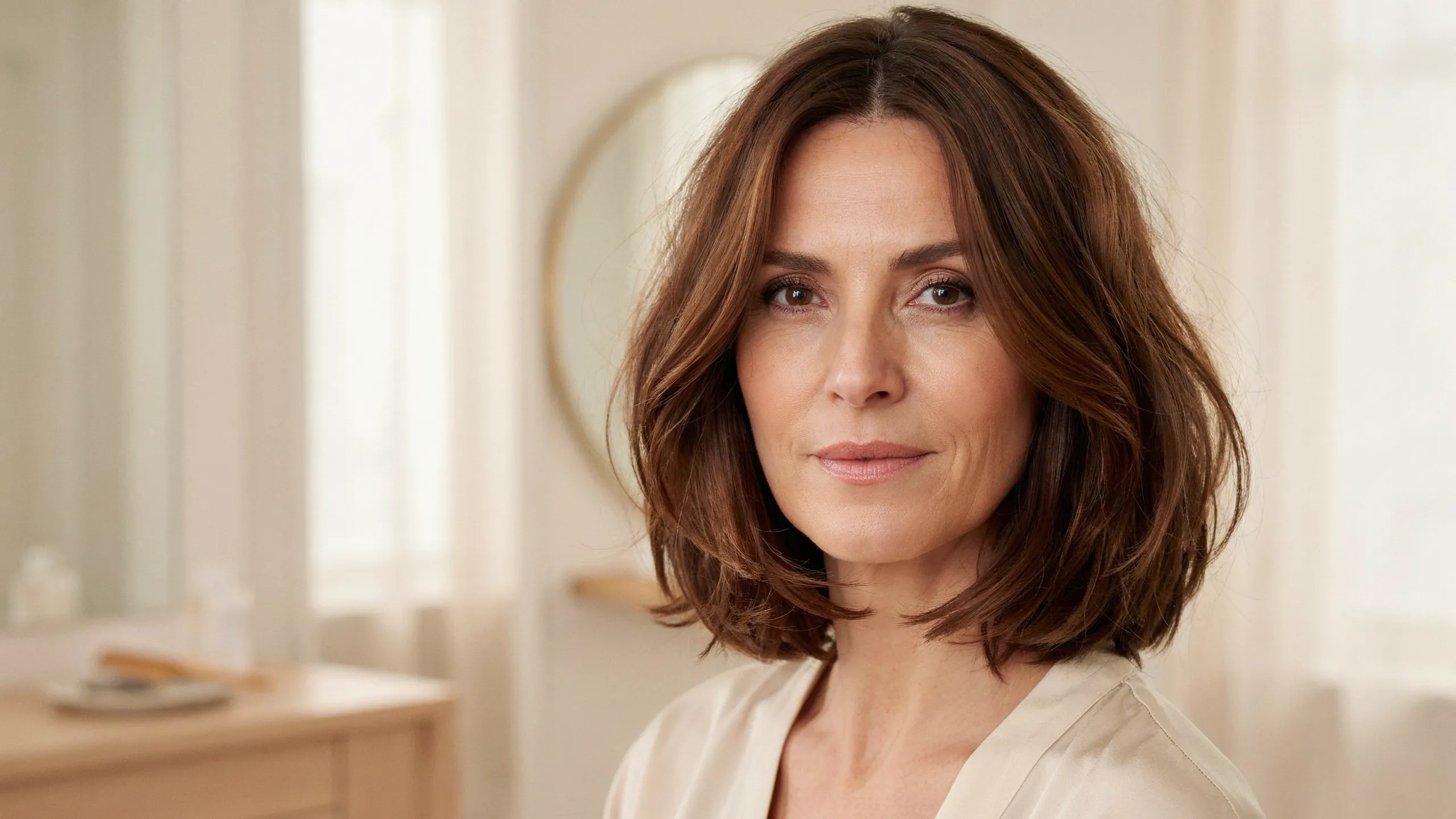
The right haircut can make you feel refreshed, confident, and excited about your reflection. Sometimes, a few soft layers or a flattering fringe are all you need to enjoy a fresh new look.
These Haircuts for Women Over 40 offer inspiration for every length, texture, and personal style. From chic pixie cuts and polished bobs to flowing butterfly layers and soft, face-framing hairstyles, there are plenty of options to explore. Whether your hair feels thinner than before, lacks volume, or simply needs a change, the right cut can help you work with its natural texture and bring out your favorite features.
I’ve noticed that practical details often make the biggest difference when choosing a hairstyle. Consider how much time you want to spend styling your hair, whether you prefer regular trims, and how your natural part affects the finished shape. Explore these 21 ideas, save your favorites on Pinterest, and bring a reference photo to your next salon appointment.
1. Soft Layered Bob
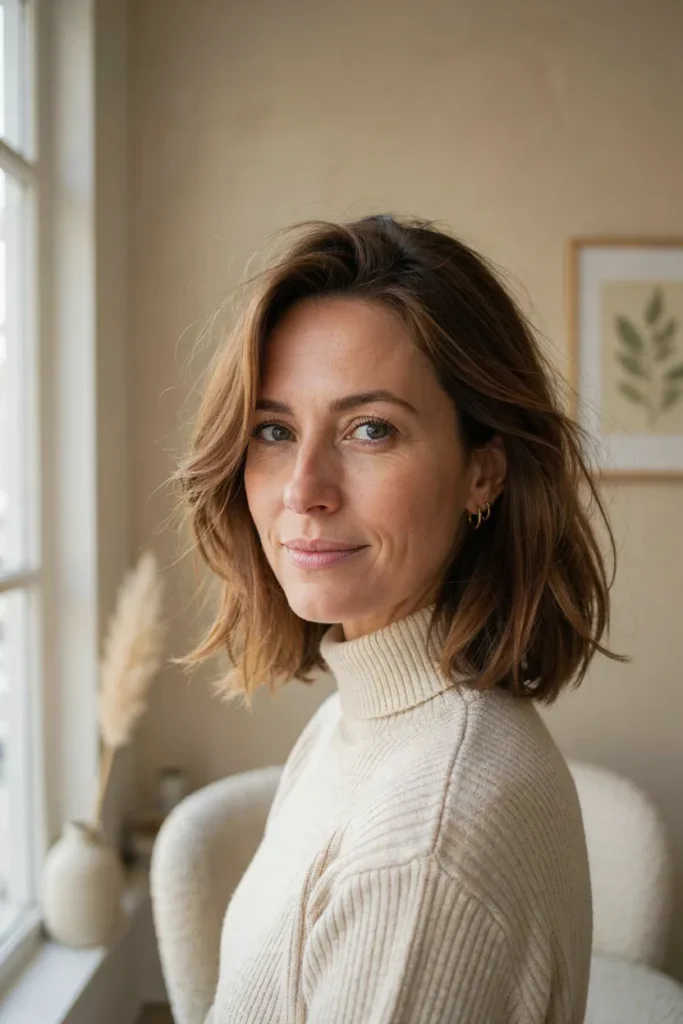
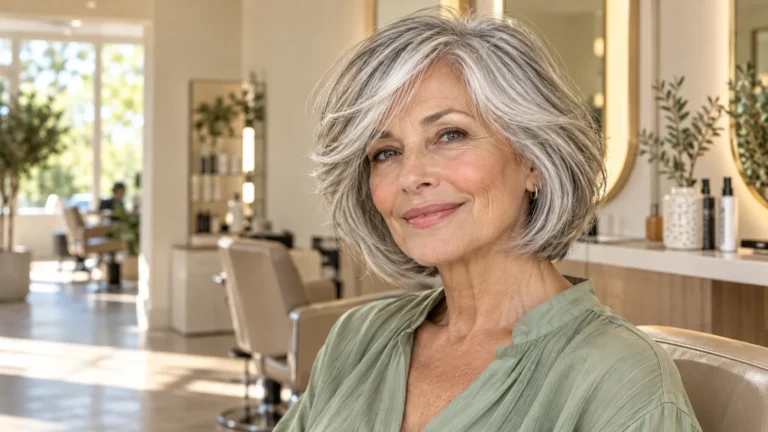
Soft layers can make a bob feel lighter, fresher, and easier to style. The gentle movement around the jaw creates a flattering frame without making the haircut look overly structured. It works especially well for women who want a polished appearance without committing to a complicated styling routine.
Ask your hairstylist for subtle layers that add movement around the sides and crown. Keep the ends softly textured rather than heavily thinned, particularly if your hair is fine. A round brush and a little lightweight volumizing mousse can help create lift while maintaining a smooth, natural finish.
2. Shoulder-Length Curtain Layers
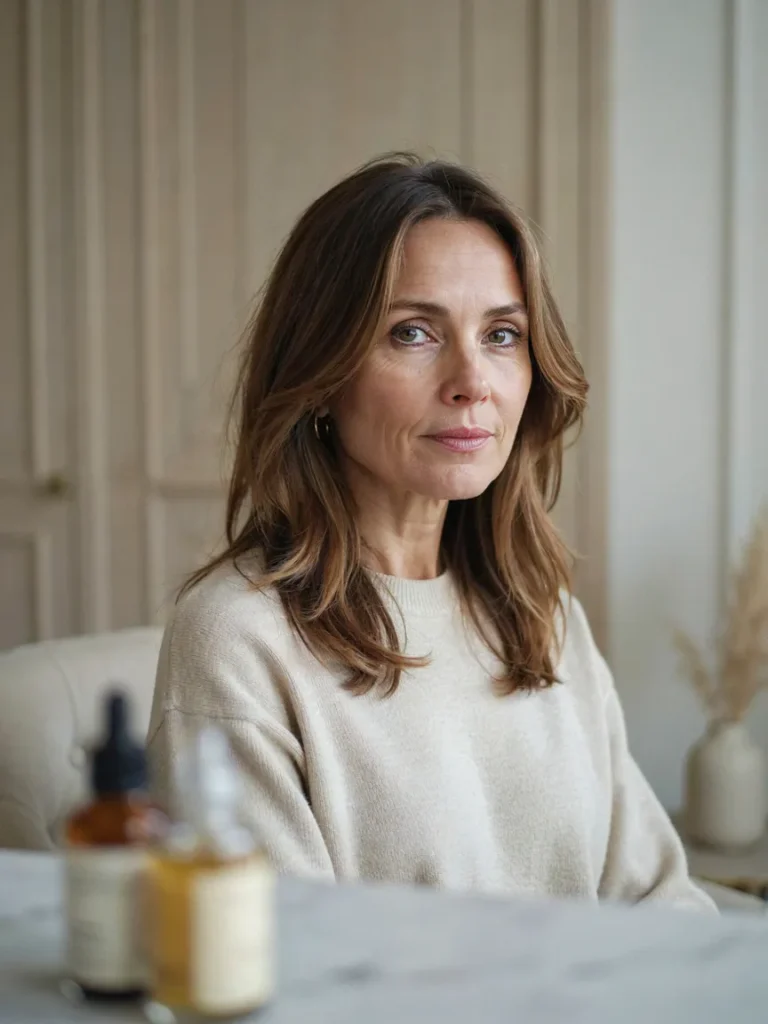
Curtain layers bring movement to shoulder-length hair while drawing attention toward the eyes and cheekbones. The center-parted fringe blends into longer pieces along the face, creating a relaxed shape that looks stylish without feeling too formal. This cut also offers flexibility for women who enjoy wearing their hair down or in a loose ponytail.
- Ask for: Long curtain bangs that blend into the sides.
- Best length: At or just below the shoulders.
- Styling tool: A medium round brush or large rollers.
- For fine hair: Request gentle layers instead of removing too much bulk.
- For thick hair: Ask for carefully placed internal layers to reduce heaviness.
The beauty of this haircut lies in its versatility. Wear the front pieces parted naturally for everyday errands, or brush them away from the face for a more polished finish. Regular trims help preserve the shape, while a lightweight heat protectant keeps styling more manageable.
3. Textured Pixie Cut
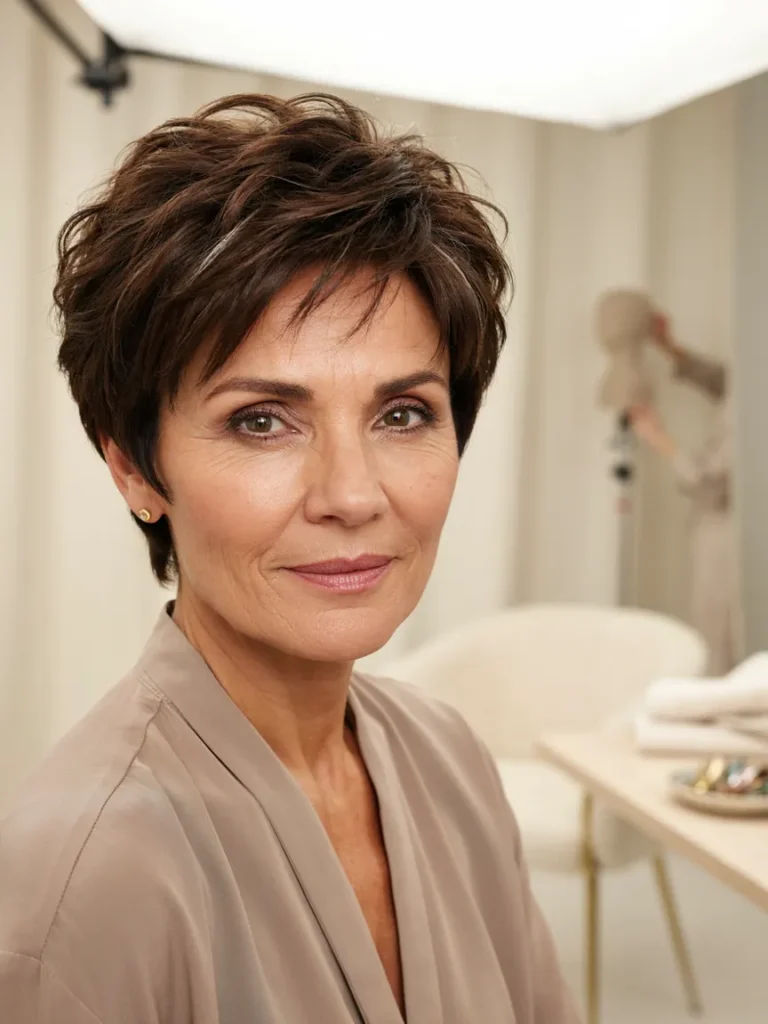
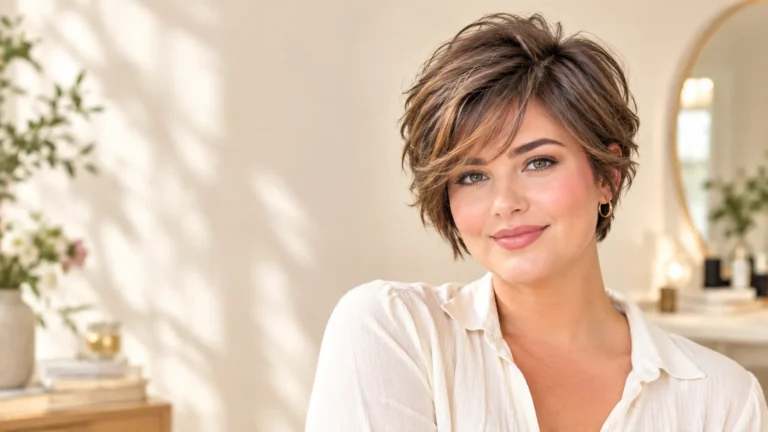
Quick Tip: Ask your stylist to leave a little extra length on top while keeping the sides neatly tapered. This creates flexible styling options and helps prevent the cut from looking too flat. A small amount of lightweight styling paste can define individual pieces without making the hair stiff.
Short hair can feel surprisingly versatile when the shape includes texture and movement. A pixie cut highlights the eyes, cheekbones, and natural facial features while reducing daily styling time. It can also work beautifully with gray or silver strands, allowing your natural color to become part of the overall look.
For a softer finish, style the longer top slightly forward or sweep it gently to one side. Women with fine hair may benefit from a few choppy layers for added dimension, while thicker hair often needs careful shaping to prevent unwanted bulk. Schedule regular trims to maintain the silhouette.
4. Face-Framing Lob
BEFORE
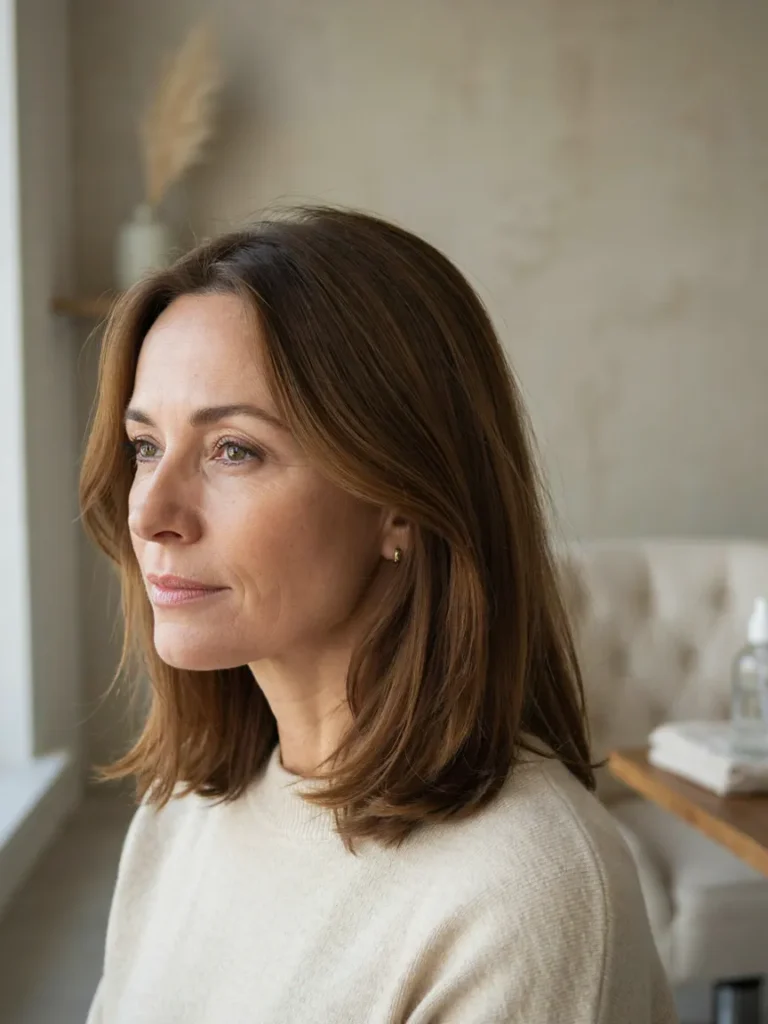
Hair that falls at one uniform length can sometimes appear heavy around the face. Without movement near the front, the overall shape may feel flat or lack definition.
AFTER
A face-framing lob introduces soft angles around the cheeks and jawline. The collarbone length keeps the haircut versatile, while the front layers add movement without sacrificing fullness.
The secret is choosing the right starting point for the shortest layers. Ask your stylist to consider your face shape and natural parting before cutting. In my experience, subtle framing often looks more natural than dramatic, short layers. Finish with a round brush to create a gentle bend at the ends.
5. Feathered Shoulder Cut
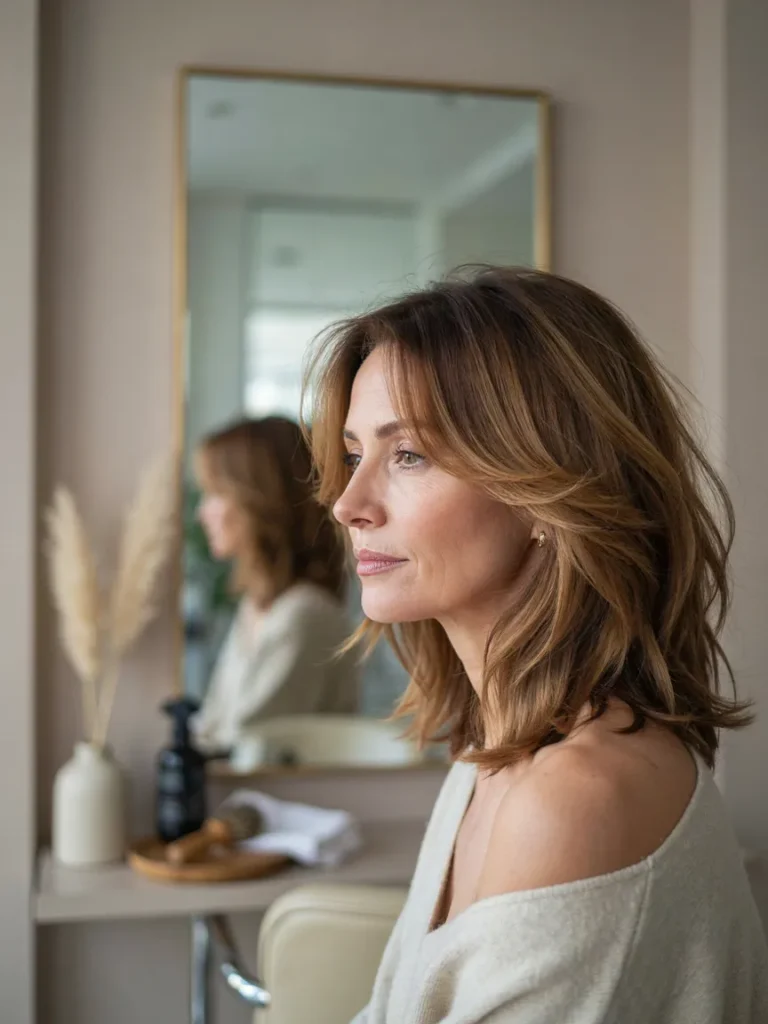
- Start with the length. Ask for a shoulder-skimming cut that leaves enough hair to tuck behind your ears.
- Add feathered layers. Request light, graduated layers that create movement around the face and through the ends.
- Shape the fringe. Choose side-swept bangs or longer front pieces if you want a softer frame.
- Style with a brush. Use a medium round brush to direct the ends slightly outward.
- Finish lightly. Apply a small amount of flexible-hold hairspray to maintain movement without stiffness.
Feathered layers give mature hairstyles a soft, flowing finish without requiring a dramatic change in length. They can be particularly useful for medium to thick hair that needs movement around the shoulders. For fine strands, keep the layers restrained so the ends retain their fullness. A quick blow-dry can bring out the shape.
6. Blunt Chin-Length Bob
| Feature | Option A: Blunt Bob | Option B: Layered Bob |
| Hair ends | Clean, even edge | Soft, varied lengths |
| Visual effect | Fuller-looking perimeter | More movement and separation |
| Styling | Smooth and polished | Airy and textured |
| Best suited for | Fine to medium hair | Medium to thick hair |
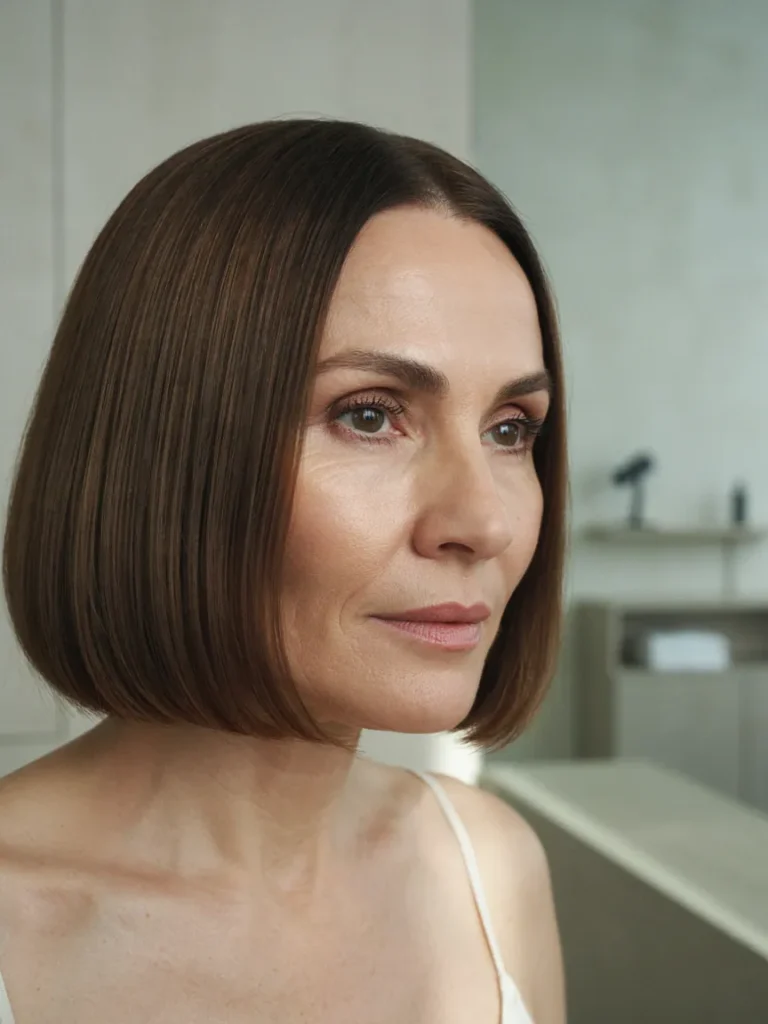
A blunt bob creates a strong outline that can make fine hair appear denser at the ends. The chin-length shape also draws attention to the jawline and gives the haircut a crisp, modern finish. Ask your stylist to check the length against your natural hair texture, since curls and waves may spring up shorter after drying.
For everyday styling, apply heat protectant and use a flat iron only where needed. A deep side part can soften the overall appearance, while a center part creates a more symmetrical finish. If your hair tends to puff out, discuss a slightly longer version that sits just below the chin.
7. Wispy Bangs with Layers
DO
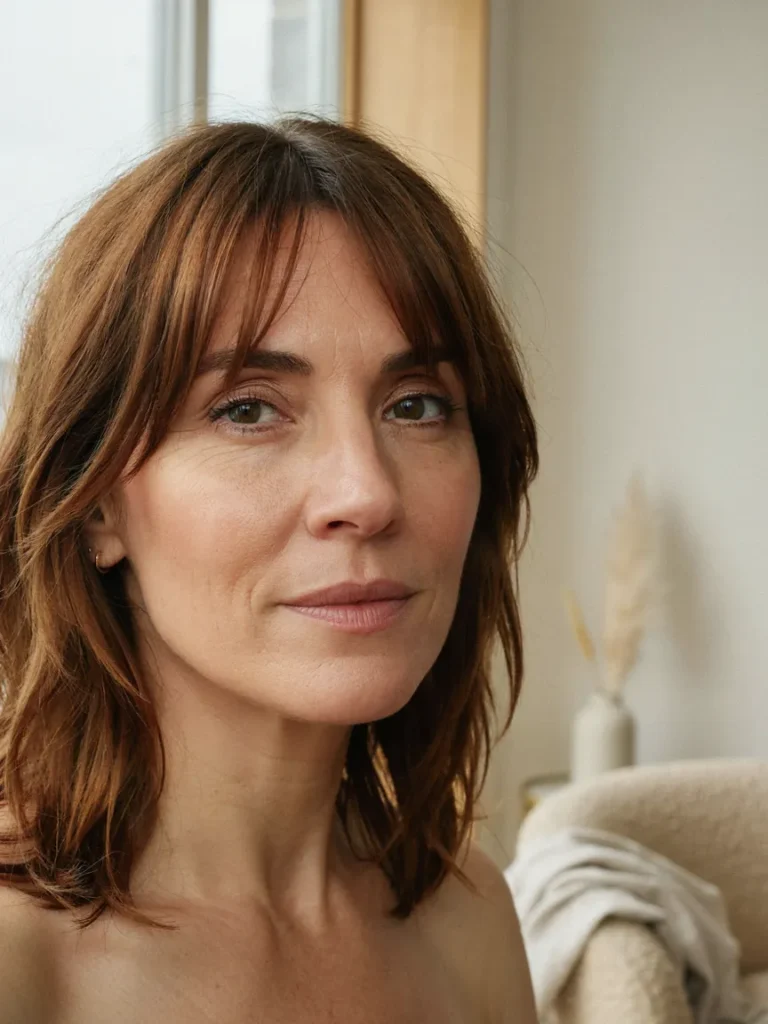
- Ask for lightweight bangs that allow a little forehead to show through.
- Keep the side layers blended into the rest of your haircut.
- Use a small round brush to direct the fringe gently away from your eyes.
- Request a dry fringe adjustment if your hair changes shape as it dries.
DON’T
- Choose thick, blunt bangs without discussing your hair density.
- Cut the fringe too short before checking its natural movement.
- Apply heavy oils or creams that make the bangs separate into stiff sections.
- Ignore regular fringe trims if you want to maintain the shape.
Wispy bangs add softness around the forehead while keeping the hairstyle light and flexible. They work with bobs, lobs, and longer layered cuts, so you do not need to sacrifice your preferred length. If your hair has a strong cowlick, ask your stylist to shape the fringe around its natural growth pattern.
8. Long Butterfly Layers
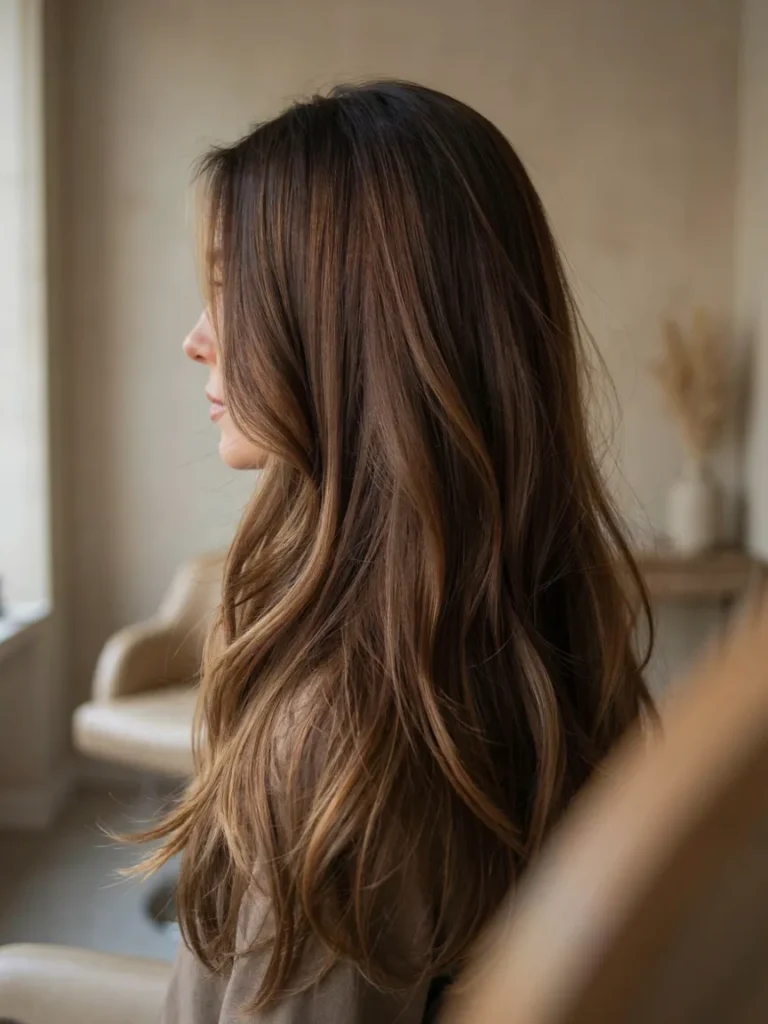
- Best For: Women who want to keep their long hair while adding shape.
- Hair Length: Below the shoulders, with shorter layers around the face.
- Styling Time: Approximately 10 to 20 minutes, depending on hair thickness and technique.
- Skill Level: Moderate if creating the signature blowout at home.
- Result: A fuller-looking crown, flowing ends, and noticeable movement around the face.
Long butterfly layers create the appearance of a voluminous blowout without removing the overall length. The shorter front sections curve around the cheekbones, while the longer layers maintain a flowing silhouette. For a softer everyday finish, use large rollers or a round brush rather than relying on excessive heat.
This style works particularly well for medium to thick hair that can support several layers. Fine hair can also wear butterfly layers, but the sections should be placed carefully to avoid sparse-looking ends. Ask your stylist to show you how the shorter pieces should fall before deciding how dramatic the layers should be.
9. Side-Parted Wavy Lob

A deep side part can give a wavy lob a fresh shape and extra lift at the roots. The uneven distribution of hair creates natural-looking volume, while loose waves soften the outline around the cheeks and neck. It is a practical choice for women who want a modern haircut without going very short.
Start by creating a side part while your hair is slightly damp. Apply a lightweight mousse, then use a diffuser or curling iron to form loose bends through the middle lengths. Leave the ends relatively relaxed for a natural finish. If your hair is fine, avoid heavy curl creams that can weigh down the roots.
The most flattering result usually comes from waves that look touchable rather than perfectly uniform. Ask your stylist to keep the perimeter full and add only enough layers to encourage movement. This combination helps the haircut retain its shape between salon visits.
10. Classic French Bob

- Length: Around the jawline, adjusted for natural texture.
- Fringe: Soft, brow-skimming bangs or a subtle side fringe.
- Styling: Apply heat protectant and smooth the ends with a small round brush.
- Maintenance: Schedule trims every four to six weeks to preserve the outline.
- Best for: Women who enjoy short, structured hairstyles with a relaxed finish.
Few haircuts feel as timeless as a French bob. Its compact shape frames the face, while the fringe adds character without requiring elaborate styling. The result can look polished with a simple blow-dry or slightly tousled for a more casual appearance.
For fine hair, a clean perimeter helps maintain the appearance of density. Naturally wavy hair can give the cut a softer, less structured finish. Before choosing this style, discuss how the length will sit around your jaw and whether bangs suit your preferred styling routine.
11. Voluminous Blowout Layers
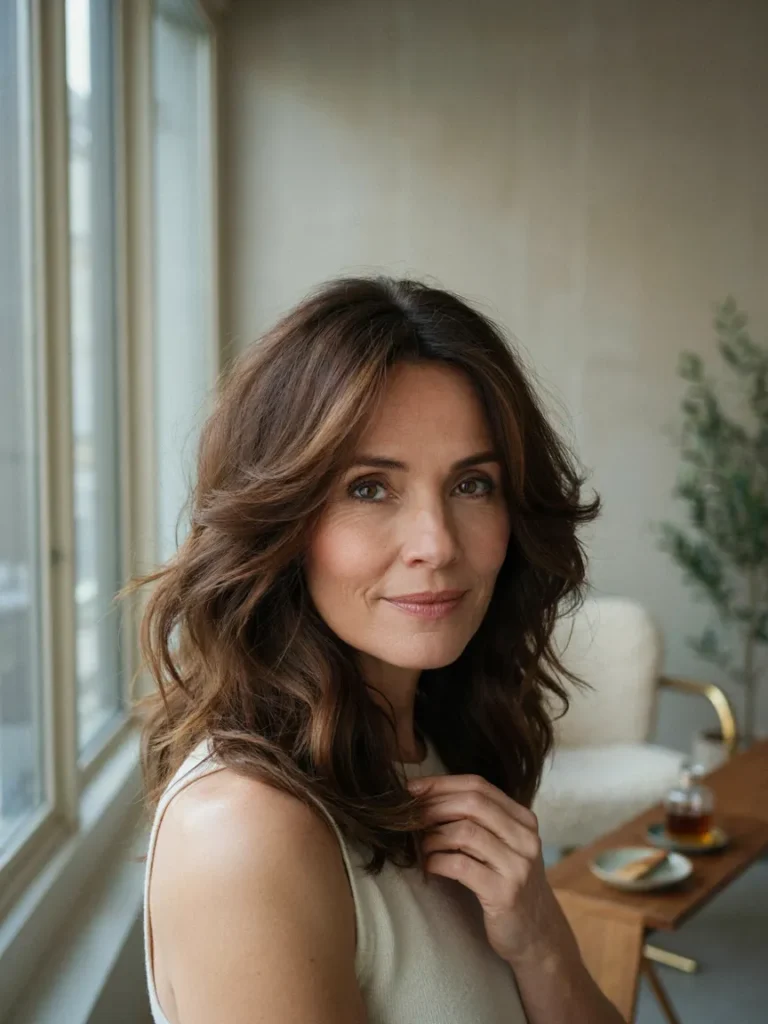
Quick Tip:
For longer-lasting volume, lift small sections at the roots while blow-drying and direct the airflow from roots toward ends. Allow each section to cool before brushing it out. A lightweight volumizing mousse applied to damp roots can provide support without making the hair feel stiff.
Voluminous layers create movement through the crown and sides, giving the hairstyle a bouncy, salon-finished appearance. The shape works particularly well for medium-length hair that tends to fall flat after styling. Ask for blended layers rather than excessive thinning, especially if your ends already look delicate.
A large round brush or heated rollers can help recreate the finish at home. Concentrate the lift around the crown and curve the front sections away from the face for a soft, open shape. Finish with flexible-hold spray so the hair retains movement instead of becoming rigid.
12. Graduated Stacked Bob
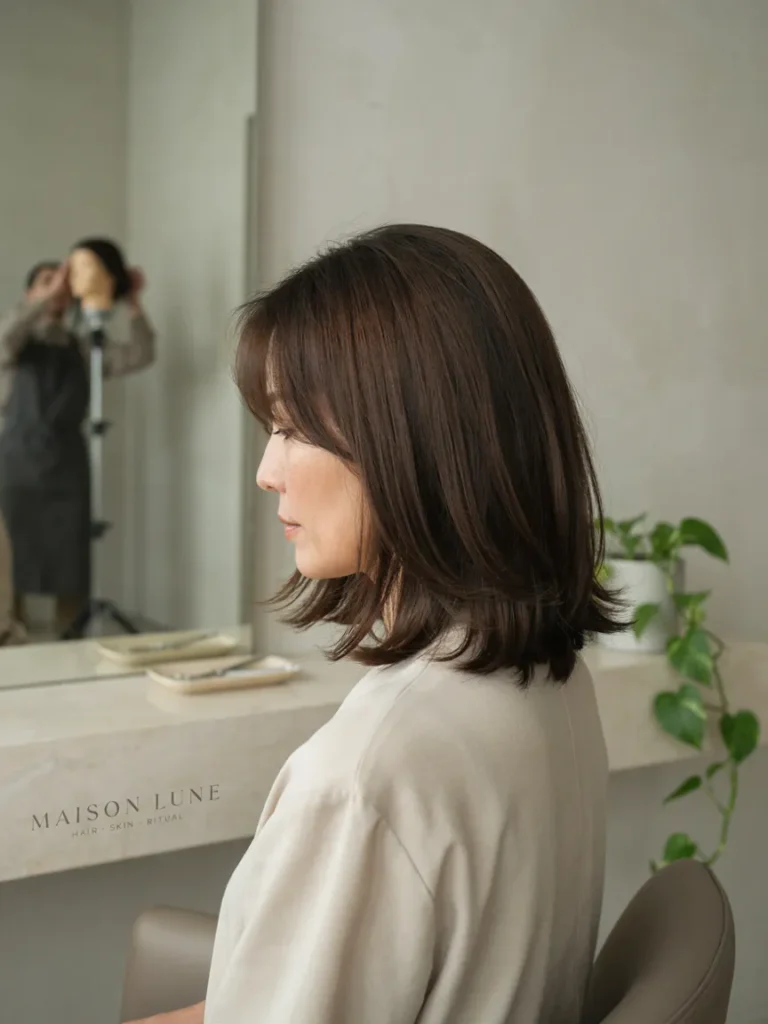
BEFORE
A bob cut at one length can sometimes sit heavily at the back, especially when the hair is thick or naturally straight. The shape may lack definition around the crown and neckline.
AFTER
Graduated layers build a rounded silhouette at the back while leaving the front slightly longer. This creates structure, highlights the neckline, and gives the haircut a fuller-looking shape without requiring extra length.
Ask your stylist to adjust the graduation to your hair density and natural growth pattern. A subtle stack offers a softer result, while a steeper graduation creates a more defined profile. For everyday styling, use a small round brush at the back and smooth the longer front pieces toward the chin.
This haircut can be especially practical for women who prefer a neat, polished appearance. Keep in mind that the shape requires regular trims to maintain its graduation. If you have strong natural waves, discuss how much stacking is needed to avoid unwanted volume at the back.
13. Long Swoopy Side Bangs
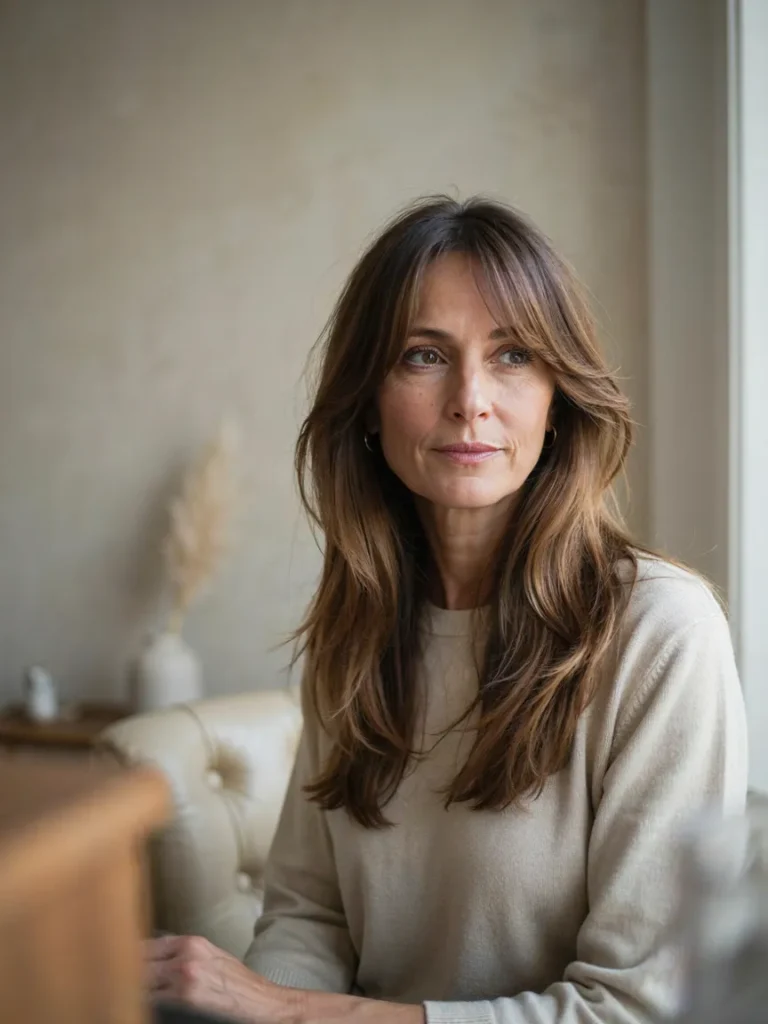
- Choose the starting point. Ask for bangs that begin around the eyebrow or cheekbone, depending on your preferred coverage.
- Blend the sides. Request gradual layers that connect the fringe to the rest of your haircut.
- Create the sweep. Blow-dry the front section diagonally using a medium round brush.
- Set the shape. Use a light mist of flexible-hold spray to keep the fringe in place without stiffness.
Long side bangs soften the front of a hairstyle while allowing you to keep most of your length. They can draw attention toward the eyes and create flattering diagonal lines around the face. Unlike a full fringe, they are easy to tuck behind an ear when you want a different look.
For women with fine hair, a modest side fringe can add visual interest without removing too much density from the front. If your hair naturally parts in the center, ask your stylist to explain how the bangs will behave before committing to a deeper side part.
14. Collarbone-Length Shag

| Feature | Option A: Soft Shag | Option B: Classic Lob |
| Layering | Multiple textured layers | Fewer blended layers |
| Overall shape | Airy and slightly tousled | Smooth and structured |
| Styling method | Finger styling or diffuser | Round brush or blow-dry |
| Best suited for | Natural waves and movement | Sleek or softly curved finishes |
A collarbone-length shag combines manageable length with a relaxed, textured silhouette. Its layers create separation around the crown and sides, while the fringe helps connect the shape around the face. This style can be especially appealing if you want movement without the precision of a blunt bob.
Ask your stylist to tailor the amount of texture to your hair density. Thick hair may benefit from carefully placed layers, while fine hair usually needs a lighter approach that preserves fullness at the ends. A small amount of texturizing cream can define the layers without making them look overly styled.
15. Soft Curly Bob
DO
- Ask your stylist to shape the bob around your natural curl pattern.
- Choose a length that accounts for shrinkage when the curls dry.
- Apply a lightweight curl cream to damp hair and scrunch gently.
- Use a diffuser on low heat or allow the curls to air-dry.
DON’T
- Judge the final length only while the hair is wet.
- Brush dry curls if you want to preserve their definition.
- Request heavy thinning without discussing the effect on your curl pattern.
- Apply too much styling product, which can flatten the roots.
A soft curly bob celebrates natural texture while giving curls a defined outline around the face. The rounded shape can create balanced volume without requiring daily heat styling. Ask for dry cutting or curl-by-curl adjustments if your stylist uses these techniques, particularly when your curls vary in tightness across your head.
For everyday care, use a gentle leave-in conditioner and a diffuser when needed. Regular trims help maintain the shape and reduce uneven, bulky ends. The most flattering version is one that works with your natural curl pattern rather than forcing every section into the same shape.
16. Sleek Shoulder-Length Cut
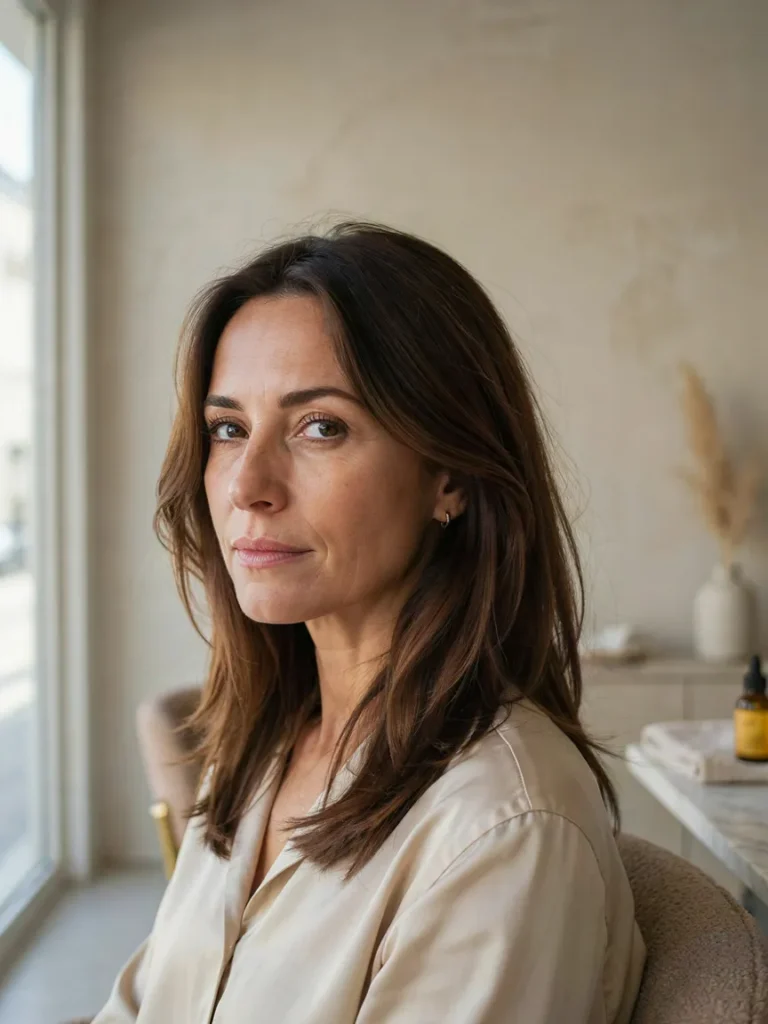
- Best For: Women who prefer a polished, low-fuss hairstyle with versatile length.
- Hair Length: At the shoulders or slightly below.
- Styling Time: Around 10 to 15 minutes, depending on hair texture.
- Maintenance: Trim every six to eight weeks to maintain clean ends.
- Result: A smooth silhouette with natural movement and a neat finish.
A sleek shoulder-length cut offers a timeless look that works for professional settings, casual outings, and special occasions. The clean outline keeps the hairstyle looking intentional, while subtle layers prevent the hair from appearing too heavy. It is particularly suitable for women who like straight styles but still want enough length for a ponytail.
For a smooth finish, apply heat protectant before blow-drying and use a flat iron only where necessary. If your hair is fine, keep the layers minimal to preserve the appearance of fullness. A center part creates a symmetrical effect, while a side part can introduce extra lift at the roots.
17. Choppy Textured Lob

A little texture can give a shoulder-length haircut a more relaxed, contemporary finish. The choppy lob uses strategically placed layers and slightly separated ends to create movement without relying on tight curls or a dramatic shape.
- Ask for: A collarbone-length cut with soft, piecey ends.
- For fine hair: Keep the outer perimeter relatively solid and add only light texture.
- For thick hair: Request internal layers to reduce bulk while retaining length.
- For natural waves: Let the hair air-dry with a lightweight styling cream.
- For straight hair: Use a curling wand to create a few loose bends, then separate them with your fingers.
The key is controlled texture rather than making every section look uneven. Ask your stylist to customize the layers around your natural part and hair density. A small amount of texturizing spray can enhance separation, but too much may leave fine hair looking dry or less full.
18. Long Layers with Face Framing
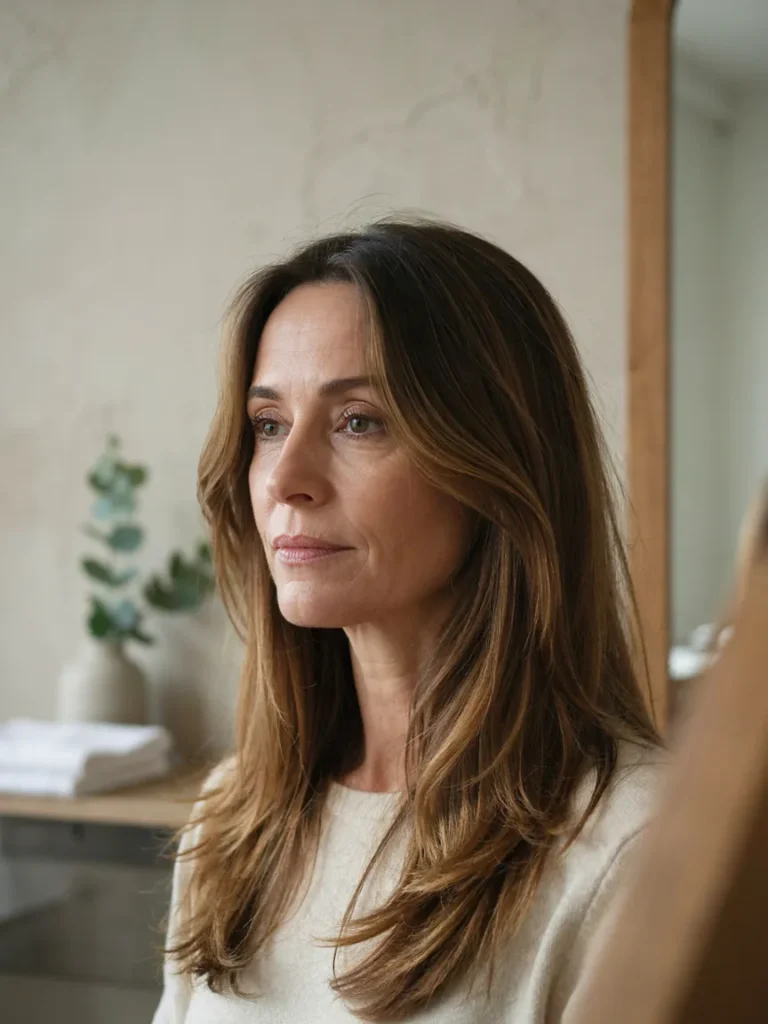
Long hair can still feel fresh and full of movement with the right layering. Face-framing sections create a gradual transition from the front of the haircut into the longer lengths, helping the hair move naturally around the cheeks and shoulders.
For the best result, ask your stylist to begin the shortest layers at a point that complements your face shape. Cheekbone-level pieces create a more noticeable frame, while longer sections near the jaw offer a subtler effect. Keep enough length through the back if you enjoy braids, ponytails, or loose updos.
A round brush can add a gentle curve to the front sections, while loose waves emphasize the different layers. If your ends are fine, avoid removing too much hair from the bottom. The goal is movement around the face without sacrificing the fullness that makes long hair look healthy.
19. Modern Wedge Haircut
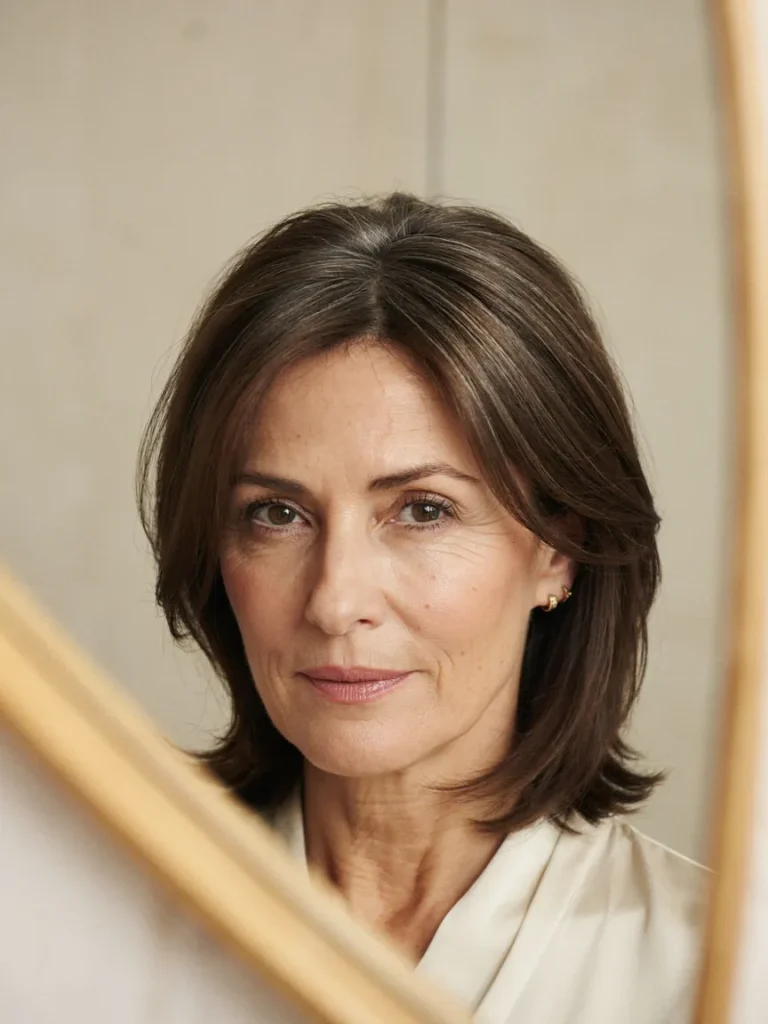
- Shape: Short, graduated layers at the back with a fuller crown.
- Length: Usually above the neck, with slightly longer sides.
- Styling: Blow-dry with a small round brush to lift the roots and shape the sides.
- Maintenance: Regular trims help preserve the graduated silhouette.
- Best for: Women who enjoy structured short hair with visible shape and volume.
A modern wedge haircut creates a rounded profile through carefully graduated layers. The shorter back keeps the neckline neat, while the fuller crown adds dimension. It offers a distinctive alternative to a traditional pixie or bob, especially for women who prefer a hairstyle with a defined silhouette.
Ask your stylist to adapt the graduation to your hair density and head shape. Fine hair may benefit from a gentle, compact shape, while thick hair often needs thoughtful weight removal. A small amount of lightweight styling mousse can help lift the crown without making the finished look stiff.
20. Shoulder-Length Butterfly Bob

Quick Tip:
Ask your stylist to blend the shorter face-framing layers into the longer sections rather than creating a disconnected shape. Bring a reference photo showing the haircut from the front and side so you can agree on the desired amount of volume before the first cut.
The butterfly bob combines the movement of butterfly layers with the manageable length of a bob. The shorter front sections create a soft frame, while the longer back maintains enough length for a feminine, flowing finish. It is a useful option if you like layered hairstyles but do not want to commit to a very short cut.
For styling, use a round brush to curve the front sections away from your face and add a gentle bend through the ends. Women with fine hair should request fewer, longer layers to protect fullness. Those with thicker hair can discuss additional internal layering to reduce bulk while maintaining the overall shape.
21. Silver Pixie with Texture
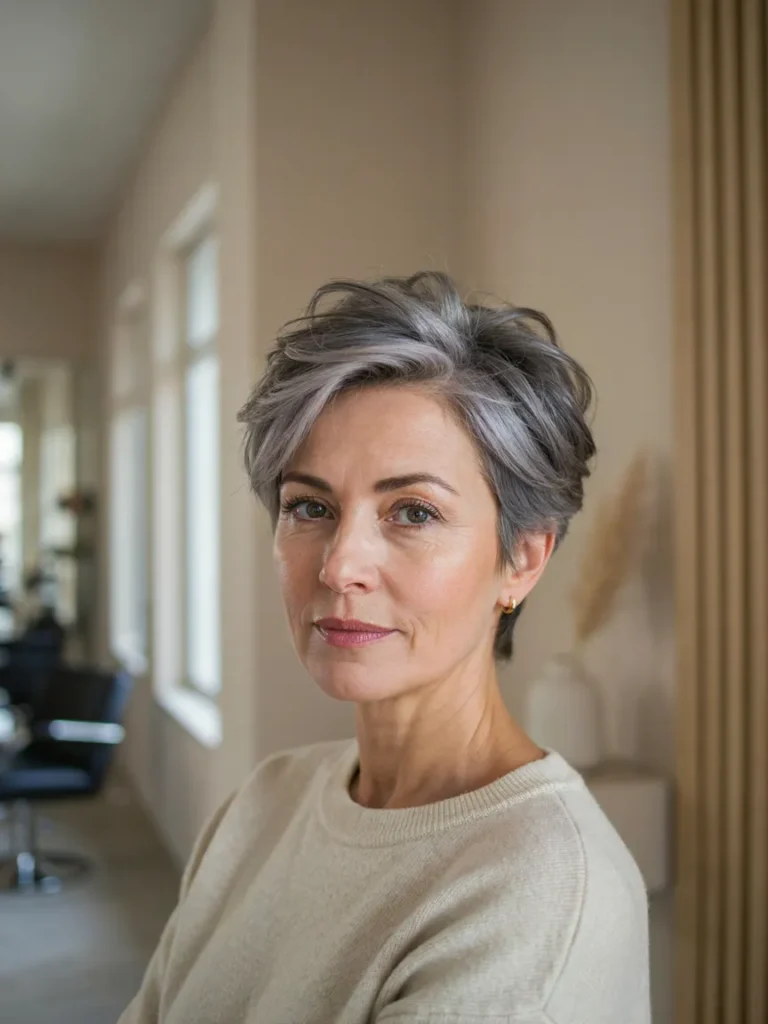
BEFORE
Growing out gray hair can sometimes leave the overall style feeling undefined, especially when different lengths create uneven sections. A haircut without a clear shape may also make natural silver strands appear less dimensional.
AFTER
A textured silver pixie gives gray hair a defined silhouette while allowing its natural color variations to stand out. Short sides create a neat outline, and the longer top provides styling flexibility and visible movement.
Ask your stylist to work with your natural gray pattern rather than automatically recommending full coverage. A small amount of lightweight styling paste can separate the top layers and emphasize the contrast between silver and darker strands. Regular trims maintain the shape, while a purple shampoo may help reduce unwanted yellow tones when used according to its directions.
The result is a confident, contemporary haircut that celebrates natural color. If you are transitioning from dyed hair, discuss the best cutting schedule for your current length and texture. A gradual plan can make the change feel more manageable while keeping your hair looking intentional throughout the process.
CONCLUSION
A fresh haircut is about more than following trends. It is about finding a style that suits your features, fits your routine, and makes you feel comfortable and confident. These Haircuts for Women Over 40 offer plenty of inspiration, from easy-to-manage pixies and classic bobs to soft layers that add movement and shape.
Before your next salon visit, save this article on Pinterest and choose two or three styles you love. Discuss your hair texture, preferred length, and styling habits with your hairstylist to find the best match. Share this guide with a friend who needs fresh inspiration, too. Your next favorite hairstyle might be just one thoughtful cut away!




One Comment