
Good hair days shouldn’t require an hour in front of the mirror. The right haircut can make all the difference, even on your busiest mornings.
These Haircuts for Medium Hair offer fresh, flattering ideas for women who want beautiful hair without complicated styling routines. From blunt shoulder-length cuts to soft layers and textured lobs, each option brings its own shape, movement, and everyday appeal.
Medium-length hair is wonderfully versatile, but the wrong cut can leave it looking flat, bulky, or difficult to manage. I’ve noticed that haircuts designed around your natural texture often make daily routines much simpler. The secret is choosing a shape that works with your hair instead of fighting against it.
Whether your hair is straight, wavy, fine, or thick, these 23 ideas will help you find inspiration for your next salon appointment. You’ll also discover practical ways to choose a cut that suits your lifestyle, keeps your ends looking healthy, and helps you feel confident with less effort.
1. Blunt Shoulder-Length Cut

A blunt shoulder-length cut makes fine hair look fuller without requiring a complicated styling routine. The straight, even ends create a strong outline, giving the hair a thicker appearance while keeping the overall shape polished. It works especially well for women who want a fresh cut that looks intentional on ordinary mornings.
For the easiest upkeep, ask your stylist to cut the ends evenly around your shoulders and avoid excessive thinning. A center or slightly off-center part keeps the finish simple. After washing, let your hair air-dry or use a quick blow-dry at the roots. A small amount of lightweight serum can smooth flyaways without weighing the hair down.
2. Soft Face-Framing Layers

- Best for: Women who want movement without losing much length.
- Hair texture: Works well with straight and naturally wavy hair.
- Face-framing detail: Shorter front pieces soften the cheeks and jawline.
- Daily upkeep: A natural part and air-drying help preserve a relaxed shape.
- Salon request: Ask for blended layers that start around the cheekbones or chin.
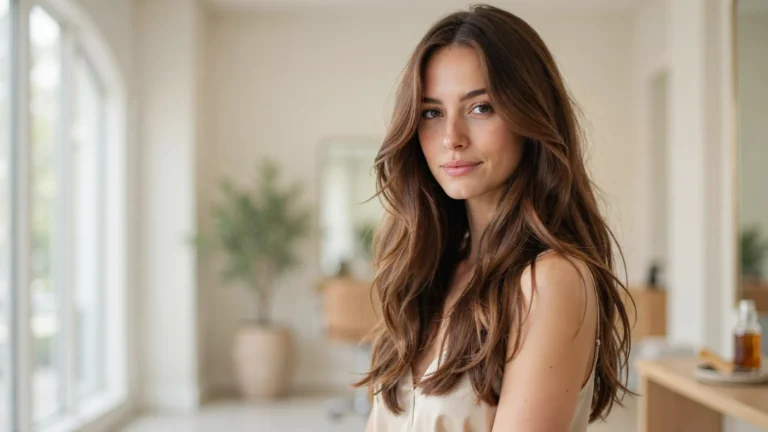
Soft face-framing layers bring life to medium-length hair without demanding daily heat styling. The shorter pieces create a gentle shape around the face, while the remaining length keeps the haircut versatile. In my experience, layers work best when their starting point suits your natural texture and how you usually wear your hair. Ask your stylist to keep the blending subtle if you prefer a low-maintenance finish.
3. Textured Collarbone Lob

Quick Tip:
Ask for a collarbone-length lob with light, strategically placed texture rather than lots of short layers. This helps the ends move naturally without making the haircut difficult to manage. If your hair is naturally wavy, request a shape that works with your existing pattern.
The textured lob offers a useful balance between a tidy outline and relaxed movement. Its length sits near the collarbone, making ponytails and quick clips practical for busy days. Hair with a natural bend often needs little more than a leave-in conditioner and air-drying. For very fine hair, keep the texturizing light so the ends retain their fullness.
4. Feathered Mid-Length Layers

BEFORE
Heavy, one-length hair can hang flat around the shoulders, especially when the strands are thick or naturally straight. The ends may look bulky, while the overall shape lacks movement.
AFTER
Feathered layers create softer edges and a lighter silhouette. The hair moves more naturally around the shoulders, giving the cut a relaxed, flowing finish without removing too much length.
The secret is keeping the layers blended rather than choppy. Ask your stylist to shape the ends so they fall naturally when air-dried. This cut suits medium to thick hair particularly well, although fine hair needs careful layering to preserve fullness. A lightweight leave-in conditioner helps control frizz without flattening the feathered shape.
5. Long Curtain Bangs

- Choose the length: Ask for curtain bangs that reach the cheekbones or jawline, depending on your preference.
- Blend the sides: Have the fringe connect gradually with your existing layers.
- Keep the part natural: A center or slightly off-center part helps the bangs fall into place.
- Dry strategically: Direct the front pieces away from your face with your fingers while blow-drying, if needed.
Long curtain bangs add shape around the face while allowing the rest of your hair to stay at a practical medium length. They also grow out more gracefully than short, blunt fringe. For mornings when you have little time, dampen only the front pieces and let them settle into their natural part.
6. One-Length Mid Bob

| Feature | Option A: Blunt Mid Bob | Option B: Layered Mid Bob |
| Overall shape | Clean, solid outline | Softer, more graduated shape |
| Fine hair | Helps ends appear fuller | Can reduce visible density |
| Thick hair | May feel heavier | Can remove some bulk |
| Daily upkeep | Simple with a natural part | May need more shaping |
| Best result | Polished, compact finish | Airy, textured movement |
A one-length mid bob is a smart choice for anyone who prefers a defined shape without several layers to manage. The even perimeter gives the haircut a neat appearance, especially on straight or slightly wavy hair. Ask your stylist to consider your hair density and natural growth pattern before choosing the exact length. A quick brush-through may be all you need on most days.
7. Wispy Shoulder-Length Shag
DO
- Ask for soft, blended layers that enhance your natural texture.
- Keep the fringe light enough to separate naturally.
- Use a small amount of lightweight mousse for extra definition.
- Let your hair air-dry when possible to encourage natural movement.
DON’T
- Request excessive thinning if your ends are already fine.
- Choose very short layers without discussing daily upkeep.
- Apply heavy oils near the roots.
- Expect perfectly uniform results if your hair has several natural growth patterns.
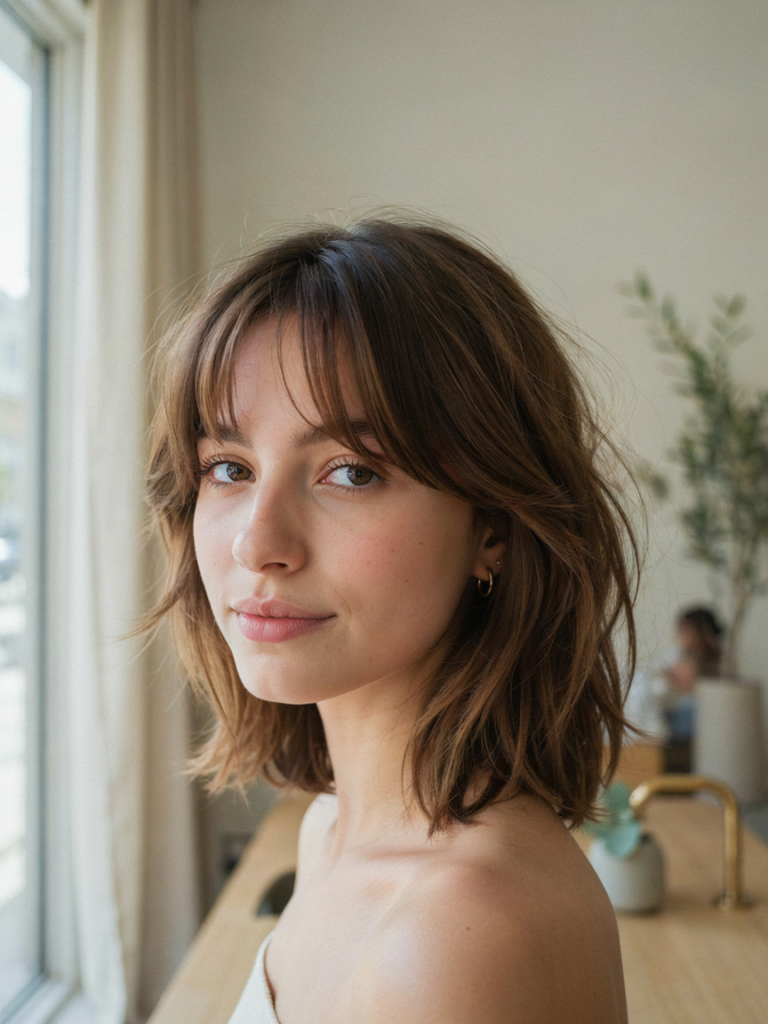
The wispy shag gives medium-length hair a relaxed, slightly undone shape that does not need to look perfectly polished. Its layers help distribute volume and create movement around the face. For the easiest finish, ask your stylist to work with your natural wave pattern rather than relying on daily curling or extensive blow-drying.
8. Rounded Shoulder Cut

- Best For: Straight, slightly wavy, and medium-density hair.
- Length: At the shoulders or just below them.
- Styling Time: Minimal when the cut follows the natural fall of the hair.
- Result: A soft, rounded outline with a fuller-looking finish.
- Maintenance: Regular trims help preserve the curved perimeter as the hair grows.
A rounded shoulder cut creates a balanced silhouette without relying on dramatic layers or elaborate styling. The ends curve gently toward the neck and shoulders, giving the hair a neat finish even with a simple side or center part. Ask your stylist to check how your hair falls naturally before shaping the perimeter, especially if the ends tend to flip outward.
9. Soft U-Shaped Layers
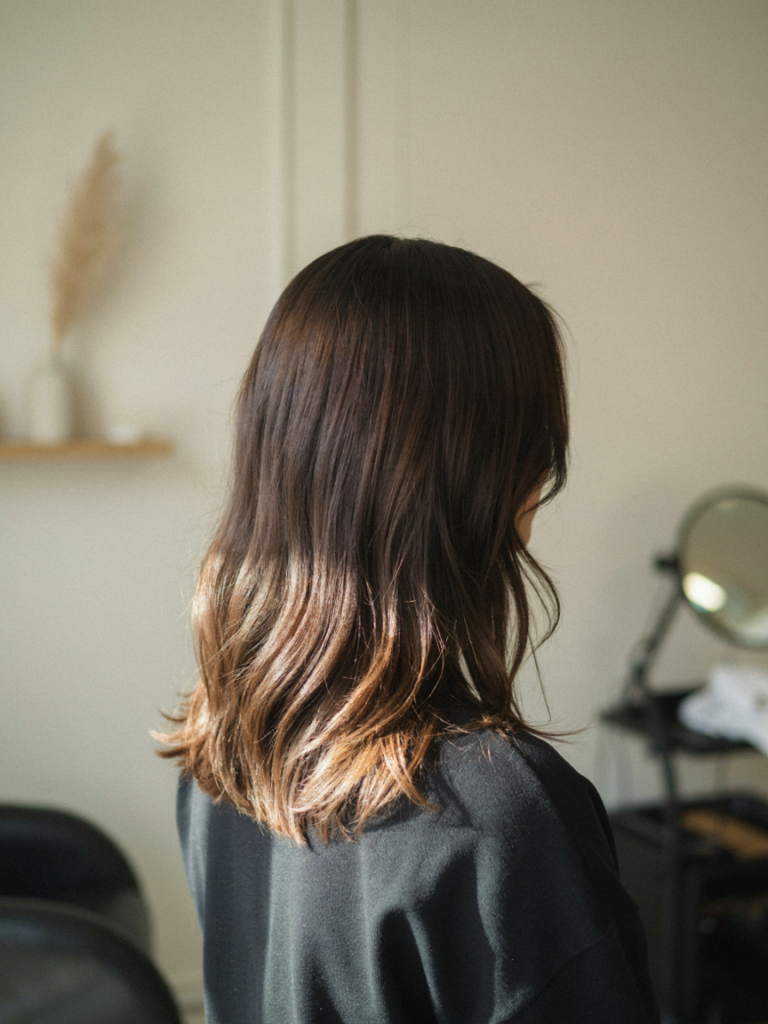
The back view tells the story with this cut: the ends form a gentle U instead of a straight horizontal line. That curved outline keeps medium-length hair looking soft and balanced while allowing most of the length to remain intact.
U-shaped layers are especially useful for women who want movement without a heavily layered appearance. Ask for long, blended layers that preserve fullness at the ends. After washing, detangle gently and let the hair dry naturally. The result is a flowing shape that looks considered without demanding a complicated morning routine.
10. Side-Swept Medium Cut

- Choose your part: Ask your stylist to shape the front around your preferred side part.
- Keep the layers blended: Soft transitions help the hair fall naturally instead of creating bulky steps.
- Work with your texture: Straight hair creates a sleek finish, while natural waves add relaxed movement.
- Maintain the outline: Schedule trims when the front begins losing its shape.
A side-swept medium cut changes the overall look without requiring a dramatic length change. The deeper part creates natural asymmetry, while the longer front section frames the face. For low-maintenance mornings, keep the fringe long enough to tuck behind one ear. A little root lift can help fine hair maintain its shape, but heavy styling products are rarely necessary.
11. Quick Air-Dry Bob

Quick Tip:
Ask for a bob designed around your hair’s natural behavior when it dries without heat. If your strands bend outward or form loose waves, your stylist can adjust the perimeter and layering to work with that pattern rather than against it.
The best low-effort bob is not necessarily the sleekest one. It is the cut that still looks balanced after washing and air-drying. Apply a small amount of leave-in conditioner to damp lengths, then avoid repeatedly touching the hair as it dries. If your hair shrinks noticeably as it dries, discuss that with your stylist before choosing the final length.
12. Face-Framing Layered Lob

BEFORE
A medium-length haircut with no shaping around the face can sometimes look heavy at the front. The hair may fall forward in one solid curtain, especially when worn with a center part.
AFTER
Long face-framing pieces create a softer transition from the front to the rest of the hair. The collarbone-length perimeter keeps the cut practical, while the shorter sections add movement around the cheeks and jaw.
Ask your stylist to blend the front layers into the overall length rather than cutting them as separate, disconnected pieces. This helps the haircut remain wearable as it grows. For a natural finish, part your hair where it usually falls and let the front sections dry in that direction. The result is a defined shape with minimal daily effort.
13. Graduated Shoulder Bob
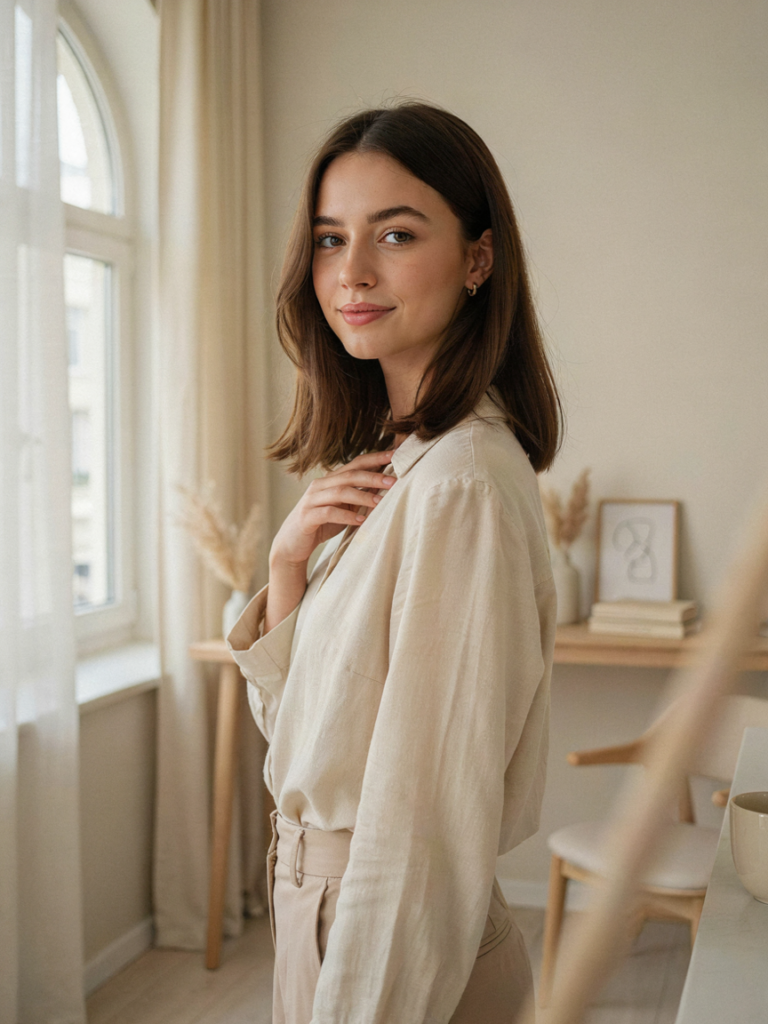
- Set the length: Ask for the front to reach the shoulders while the back sits slightly higher.
- Choose subtle graduation: Keep the difference between the front and back gentle for easier upkeep.
- Discuss hair density: A stylist can adjust the internal layers to avoid excessive bulk.
- Keep the finish natural: Let the cut air-dry to see how the shape settles before adding styling products.
A graduated bob gives medium-length hair a defined silhouette without requiring a complicated routine. The slightly shorter back can help thick hair feel lighter, while the longer front pieces maintain a soft, flattering outline. Ask for a version that suits your natural texture, since a dramatic graduation may need more frequent shaping than a subtle one.
14. Blunt Cut With Soft Waves

| Feature | Option A: Natural Waves | Option B: Heat-Styled Waves |
| Texture | Relaxed and slightly irregular | More defined and uniform |
| Daily effort | Low when hair is naturally wavy | Requires extra styling time |
| Hair appearance | Soft, casual movement | Polished, deliberate texture |
| Best starting point | Naturally wavy hair | Straight or resistant hair |
| Upkeep | Refresh with water if needed | Use heat protection before styling |
The blunt perimeter keeps the ends looking substantial, while soft waves add movement without hiding the haircut’s shape. This combination is particularly appealing for women who want a relaxed finish that still looks put together. If your hair is naturally straight, the waves are optional rather than essential. A simple air-dried finish can look just as good with the right cut.
15. Low-Maintenance Butterfly Layers

DO
- Keep the shortest layers long enough to blend naturally with the rest of the cut.
- Ask for face-framing pieces that complement your usual part.
- Preserve enough length to tie your hair back comfortably.
- Request a version that works with your natural texture.
DON’T
- Choose very short layers if you dislike styling the front sections.
- Remove too much weight from fine or fragile ends.
- Assume the reference photo will look identical on different hair textures.
- Skip discussing maintenance before committing to dramatic layering.
Butterfly layers create a cascading shape that gives medium-length hair movement around the face and shoulders. The style can look full and airy, but the shortest sections may need extra attention if your hair is naturally straight or stubborn. For a genuinely easy routine, choose a softer version with longer layers that settle into place after washing.
16. Natural Wavy Mid Cut

- Best For: Naturally wavy hair and straight hair with a slight bend.
- Daily Styling: Minimal when the cut follows the natural wave pattern.
- Maintenance: Regular trims to keep the ends healthy and the shape balanced.
- Result: Relaxed movement with a soft, natural finish.
A natural wavy mid cut works with the texture your hair already has instead of asking you to create a new one every morning. Ask your stylist for gentle shaping that prevents the sides from becoming too bulky. After washing, scrunch a small amount of lightweight leave-in product into damp hair, then allow it to dry without constant brushing.
17. Classic Shoulder-Length Cut

Some haircuts stay popular because they solve an everyday problem: keeping hair long enough to tie back while maintaining a neat shape. A classic shoulder-length cut does exactly that, making it a reliable choice for work, errands, and busy mornings.
The key is choosing a length that rests comfortably on your shoulders without flipping unpredictably. Ask your stylist to consider your hair’s natural growth pattern and density before deciding on the final line. This simple shape suits many textures and pairs easily with a center part, side part, or quick ponytail. Minimal layering keeps the routine straightforward.
18. Soft Textured Mid-Length Cut

- Best for: Hair that feels heavy or lacks natural movement.
- Ask your stylist: Request subtle internal texture while preserving the outer shape.
- Daily routine: Use a lightweight conditioner and let the hair dry naturally.
- For fine hair: Keep texturizing minimal to avoid wispy, sparse-looking ends.
- For thick hair: Discuss selective bulk removal without excessive thinning.
Soft texture gives a medium-length haircut movement without committing to dramatic layers or a heavily styled finish. The ends look less rigid, and the hair can settle into a relaxed shape after washing. Ask your stylist to tailor the texture to your strand thickness. A carefully balanced cut should work with your natural hair rather than require daily heat tools.
19. Chin-to-Shoulder Layered Cut

- Choose the front length: Ask for face-framing pieces that begin around the chin.
- Blend into the sides: Keep the transition gradual so the shorter sections do not look disconnected.
- Preserve the back length: Maintain shoulder-grazing ends for versatility and easy ponytails.
- Check the natural fall: Have your stylist assess how the layers sit when your hair dries naturally.
This cut adds visible shape without removing too much length. The shorter front sections soften the outline around the face, while the longer back keeps the style practical for everyday wear. It works particularly well for women who find one-length hair too heavy around the front. Keep the layers subtle if you want the easiest possible morning routine.
20. Sleek Center-Part Lob

| Feature | Option A: Natural Finish | Option B: Sleek Finish |
| Hair texture | Natural straightness or gentle waves | Smooth, straighter strands |
| Styling effort | Low when hair falls evenly | May need occasional blow-drying |
| Overall look | Soft and relaxed | Clean and polished |
| Best part | Natural center part | Precise center part |
| Maintenance | Shape trims as needed | Trims plus optional smoothing |
A sleek center-part lob creates a clean, balanced look with very little visual clutter. Its simple outline makes the haircut feel polished without requiring layers, curls, or elaborate styling. For the lowest-maintenance result, ask your stylist to account for cowlicks and natural bends near the part. A small amount of smoothing cream can help control flyaways when needed.
21. Soft Rounded Lob

DO
- Ask for a rounded perimeter that follows your natural hair fall.
- Keep the layers subtle if you want a fuller-looking outline.
- Choose a length that sits comfortably above or at the collarbone.
- Discuss how your ends behave when air-dried.
DON’T
- Request excessive layering if your hair is fine.
- Choose a shape that requires daily heat styling to look balanced.
- Ignore natural cowlicks or outward-flipping ends.
- Expect a rounded finish to stay identical as the haircut grows.
The soft rounded lob combines the practicality of a medium-length cut with a gentle, feminine silhouette. The curved outline makes the ends appear connected rather than bluntly squared off, while the collarbone length remains easy to manage. For a relaxed finish, let the hair dry naturally and use a wide-tooth comb to detangle without disrupting its shape.
22. Long Layered Shoulder Cut
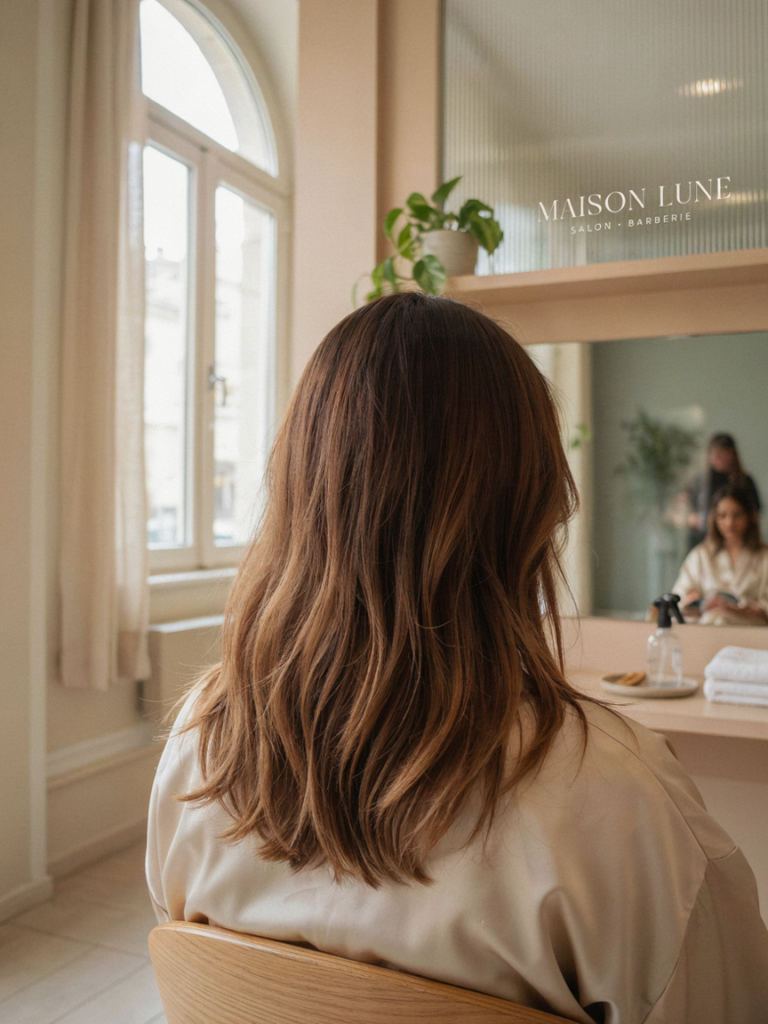
- Best For: Women who want movement while keeping most of their hair length.
- Length: At the shoulders or slightly below.
- Styling Time: Low when the layers suit the natural texture.
- Result: A softer outline with gentle movement and less visual heaviness.
Long layers are a practical choice for anyone who likes medium-length hair but finds a solid cut too flat. They create subtle movement without the shorter pieces associated with heavily layered styles. Ask your stylist to keep the layers blended and preserve fullness at the ends. This balance helps the haircut look natural after air-drying and keeps ponytails easy to manage.
23. Easy Textured Shoulder Bob

A textured shoulder bob offers the relaxed finish many women want from a haircut that does not demand daily styling. Its slightly broken-up ends keep the outline from looking too rigid, while the shoulder length leaves enough hair for a quick ponytail or clip.
For the easiest result, ask your stylist to create light texture that complements your natural wave pattern. Apply a small amount of leave-in conditioner to damp hair, gently shape the ends with your fingers, and let everything dry naturally. Fine hair benefits from restrained texturizing, while thicker hair may need selective weight removal to keep the shape comfortable.
The best haircut isn’t necessarily the one that looks perfect after an hour of styling. It’s the one that makes you feel confident when you wake up, wash your hair, and get on with your day.
Conclusion
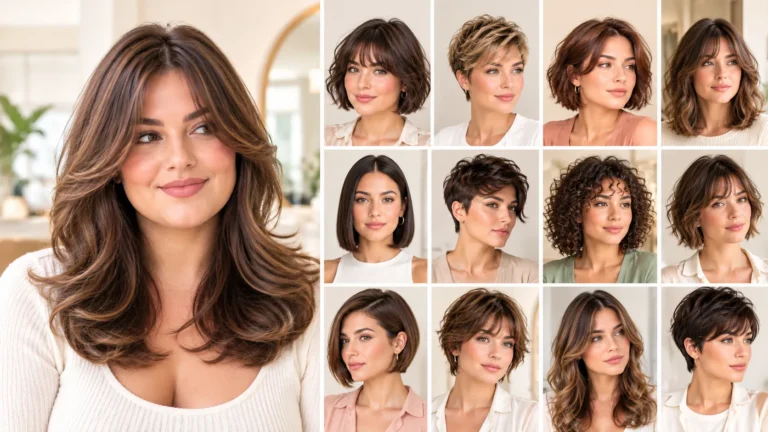
These 23 Haircuts for Medium Hair offer plenty of inspiration, from sleek bobs to soft layers and naturally textured styles. Choose a cut that complements your hair type, face shape, and daily routine, and discuss your maintenance expectations with your stylist before making the change.
Save this article on Pinterest so your favorite ideas are ready for your next salon visit. Share it with a friend who wants an easier hair routine, and don’t be afraid to try something fresh. Sometimes, a small haircut change is all you need to love your hair again.



One Comment