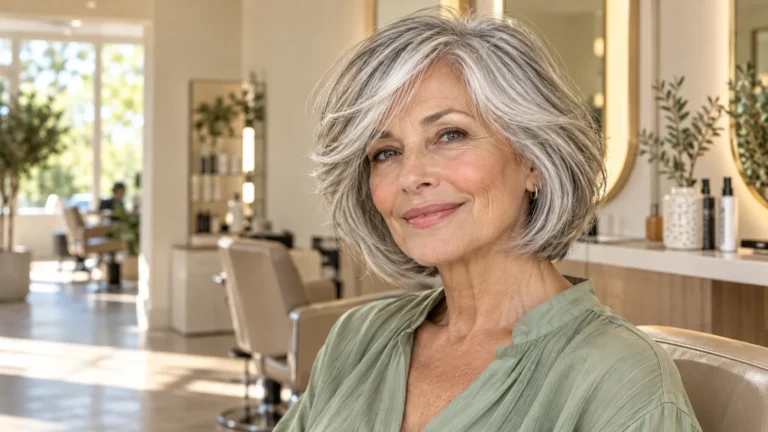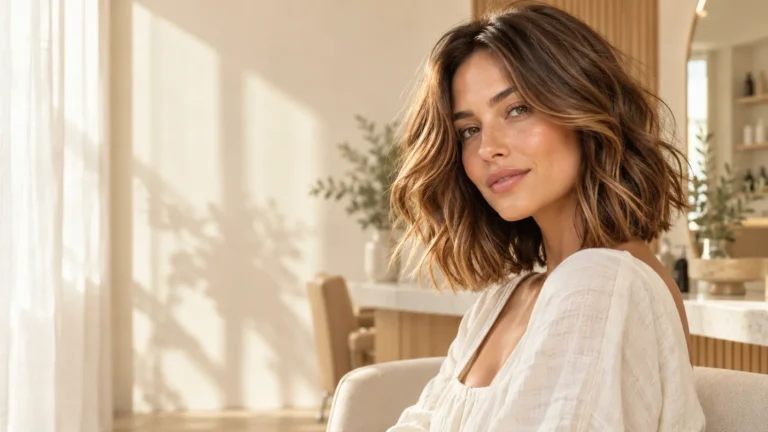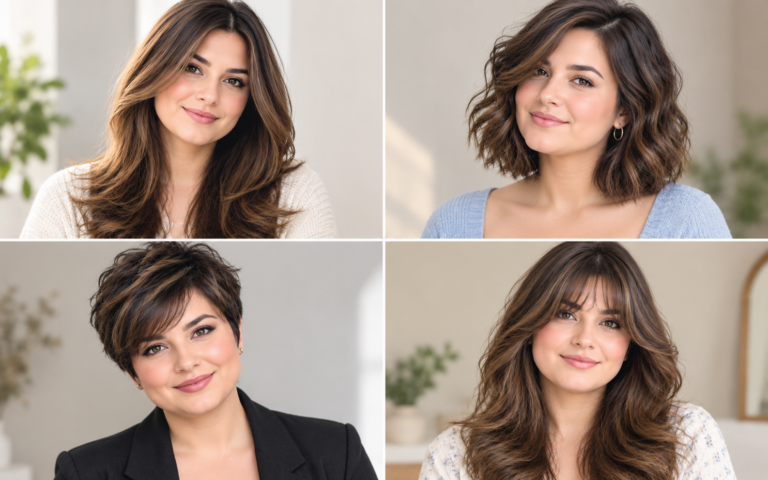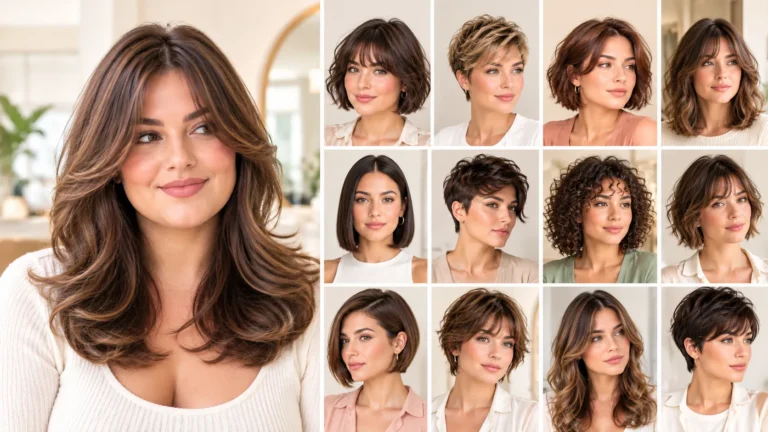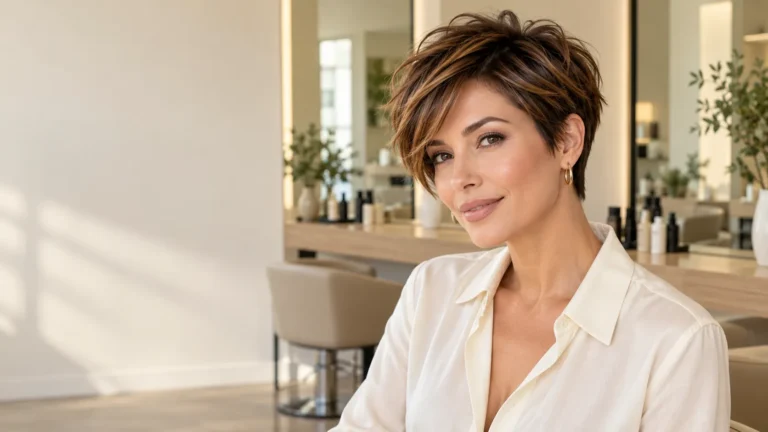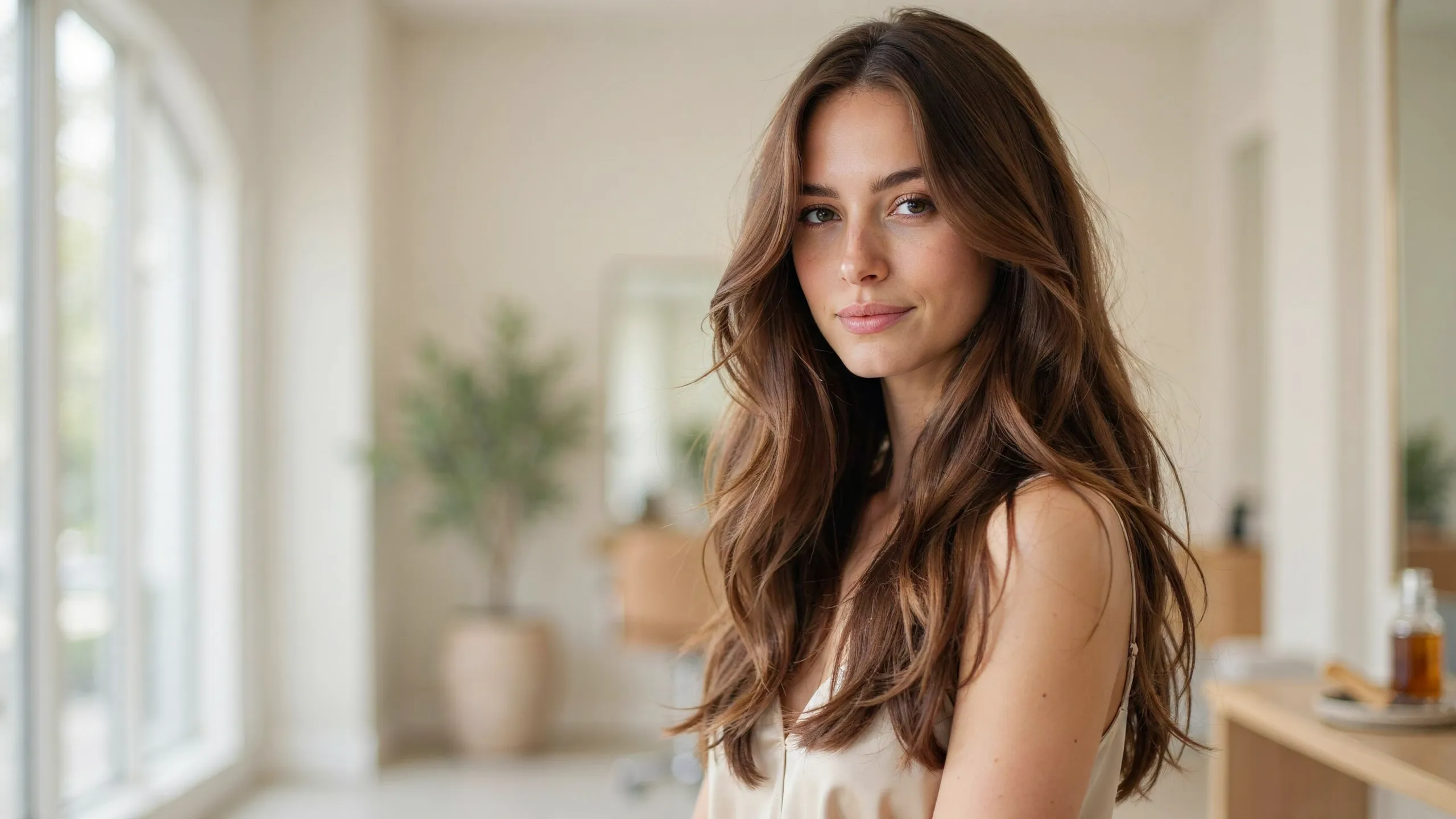
Are your long locks looking flat, heavy, or lifeless at the ends? You don’t need to lose your length to bring back that beautiful bounce!
The right Haircuts for Long Hair can add movement, create soft volume, and give your hair a fresh shape without sacrificing the length you’ve worked hard to grow. From bouncy butterfly layers and feathered ends to face-framing cuts and soft waves, small changes can make your hairstyle feel completely new.
I’ve noticed that the biggest difference often comes from choosing layers that work with your natural hair texture rather than fighting against it. Fine hair may benefit from subtle shaping that preserves fullness, while thick hair can look lighter with carefully blended layers. The key is finding a cut that suits your hair type, face shape, and everyday routine.
In this guide, you’ll discover 20 inspiring styles with practical ideas for creating movement, choosing the right layers, and styling your ends for a fuller, more polished finish. Save your favorites for your next salon appointment!
1. Long Butterfly Layers
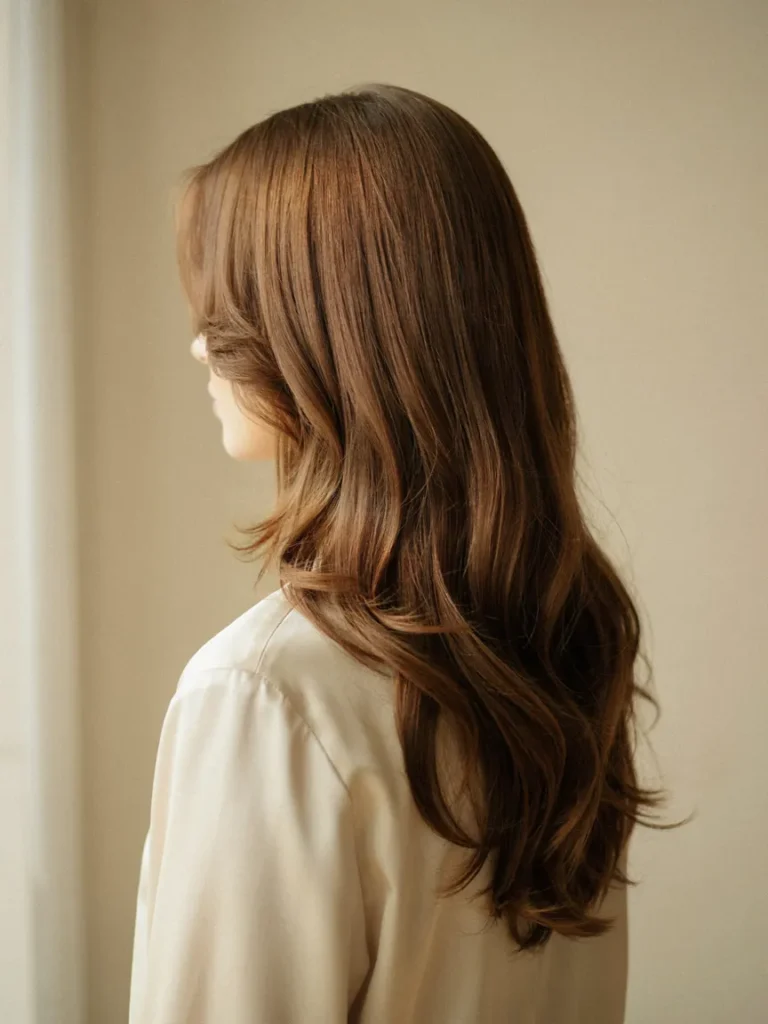
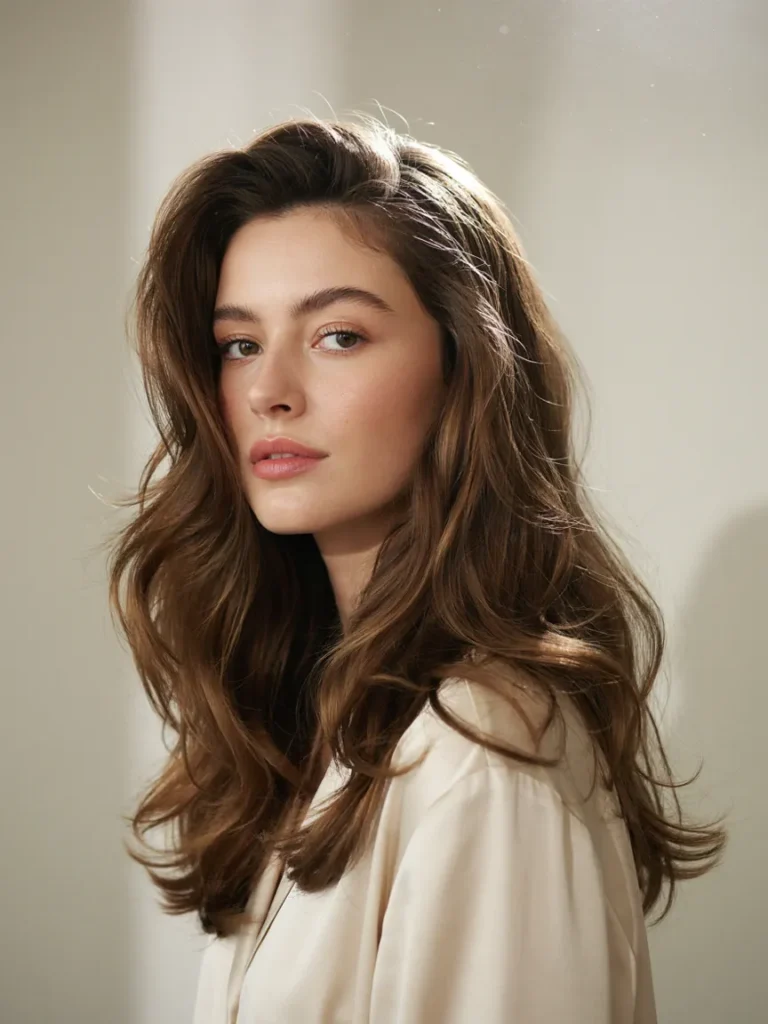
Long hair feels completely different when the ends have movement instead of hanging in one heavy line. Butterfly layers create shorter pieces around the face and longer layers through the back, giving your hair a fuller, bouncier finish without losing much length.
The secret is the contrast between the shorter face-framing sections and the flowing lengths underneath. Ask your stylist to blend the layers smoothly so they flip outward when blow-dried. For extra lift, use a large round brush at the roots and roll the front sections away from your face. The result is soft, glamorous hair with plenty of natural-looking body.
2. Soft U-Shaped Layers
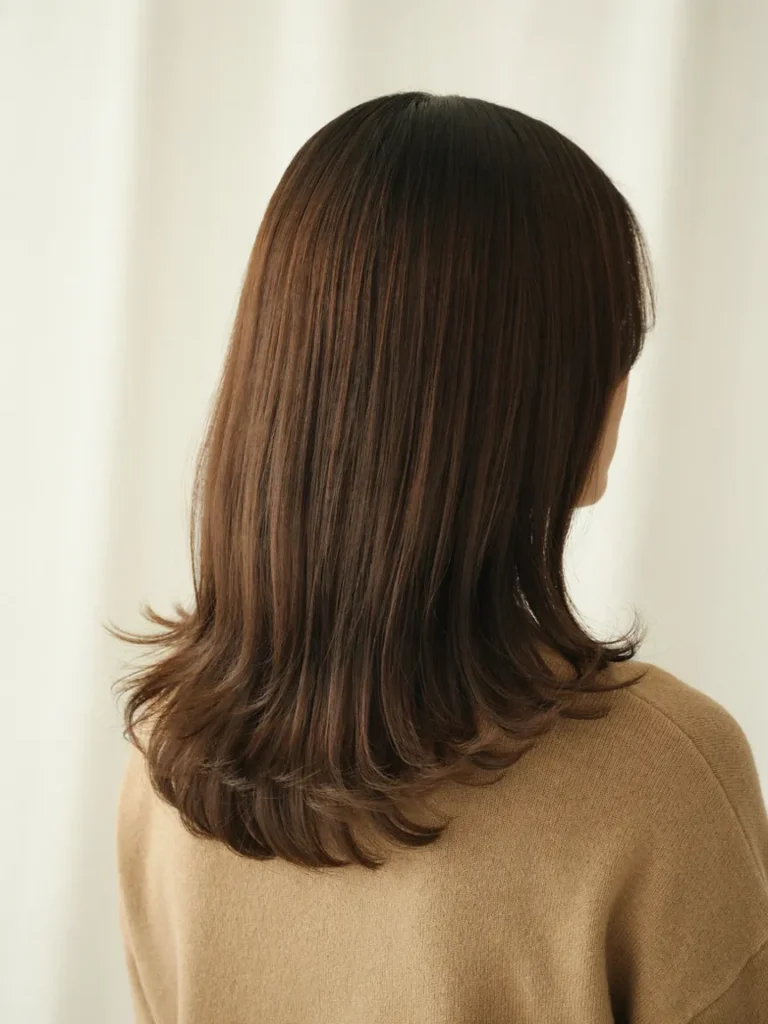
Flat, blunt ends can make long hair appear heavier than it actually is. A soft U-shaped cut creates a rounded outline at the back, allowing the sides to flow gradually toward the center while keeping the overall length intact.
- Best for: Medium to thick hair that needs a lighter outline.
- Layer placement: Keep the shortest layers subtle to preserve fullness.
- Styling trick: Blow-dry the ends with a round brush, turning them slightly inward.
- Maintenance: Schedule trims when the ends begin to look uneven or split.
The beauty of this shape is its simplicity. It gives straight hair a polished finish and makes loose waves look more fluid. For long, healthy-looking lengths, ask for a gentle curve rather than a deep U that removes too much hair from the sides.
3. Face-Framing Feathered Layers
Quick Tip:
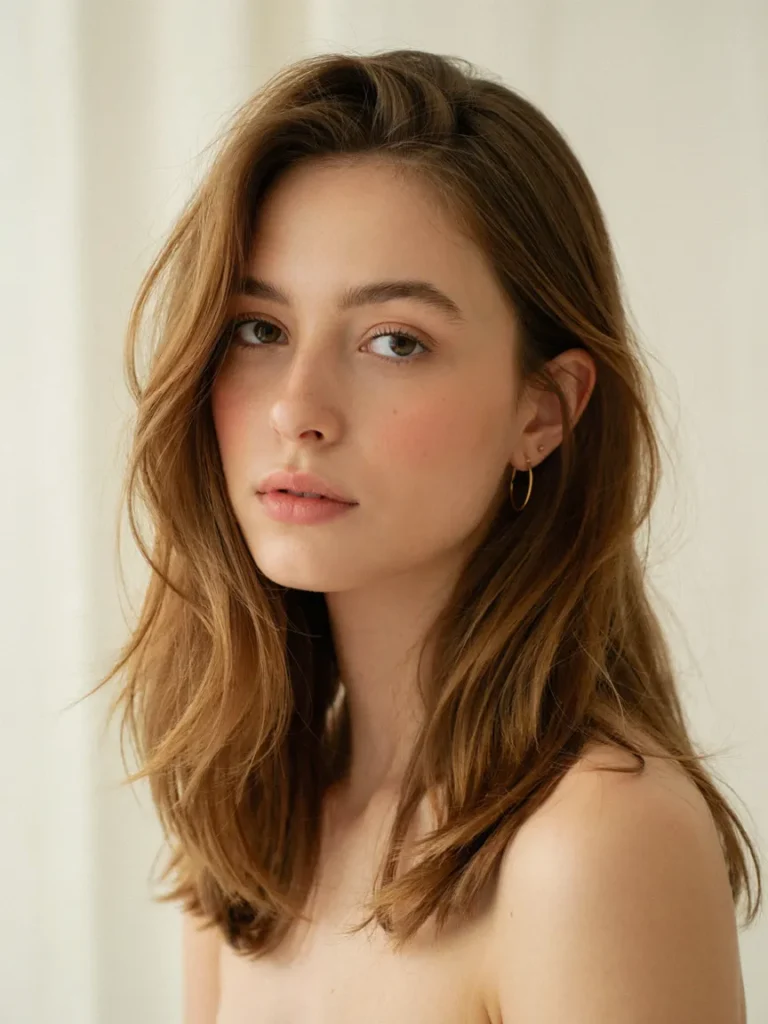
Ask your stylist to begin the shortest feathered pieces around your cheekbones or chin, depending on your face shape and preferred styling. Keep the remaining length long and blended. A round brush or large hot-air brush can help the shorter sections sweep away from your face.
The appeal of feathered layers is their light, airy movement. Instead of creating obvious steps throughout your hair, they soften the outline and give the front sections a gentle lift. I’ve noticed that directing these pieces away from the face helps highlight the cheekbones while keeping the overall hairstyle relaxed. This cut works especially well for anyone who wants more shape without sacrificing long lengths.
4. Voluminous Blowout Layers
BEFORE
Long hair hangs straight against the shoulders, with flat roots and ends that barely move. Even freshly washed hair can look limp when every section falls at the same length.
AFTER
Rounded layers create visible lift around the crown and soft curves through the lower lengths. The hair looks fuller, with ends that bounce as you move.
For this look, ask your stylist for long, blended layers that support a rounded blowout. Dry the roots first, then work in sections with a medium or large round brush. Roll the ends under or away from your face for that classic salon finish. A lightweight volumizing mousse can help the shape last without making your hair stiff.
5. Long V-Cut Layers
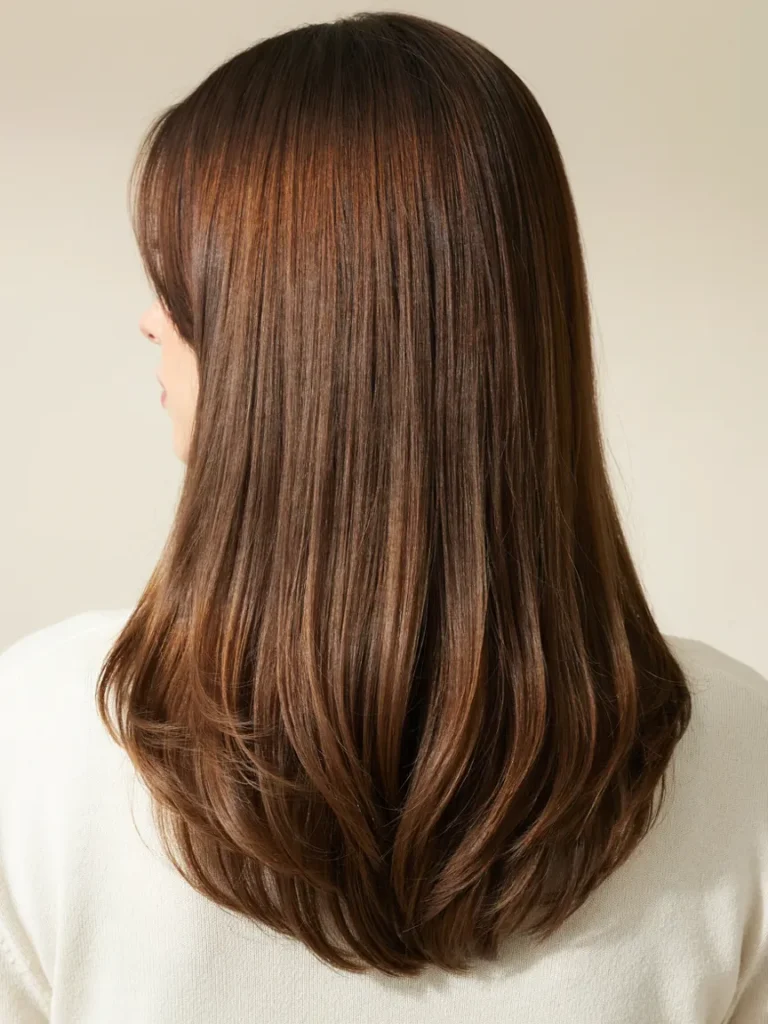
- Choose the shape: Ask for a V-shaped perimeter with a clearly tapered center at the back.
- Keep layers blended: Request long internal layers to encourage movement without creating thin, separated ends.
- Add soft bends: Use a large-barrel curling iron on alternating sections, leaving the last inch slightly straighter.
- Finish with shine: Smooth a tiny amount of lightweight serum over the mid-lengths and ends.
A V-cut gives very long hair a more dramatic outline while preserving its length. It works particularly well on thick hair because the tapered shape removes some visual bulk. However, fine hair may look sparse at the center if the V is cut too sharply, so ask for a gentle taper when fullness is your priority.
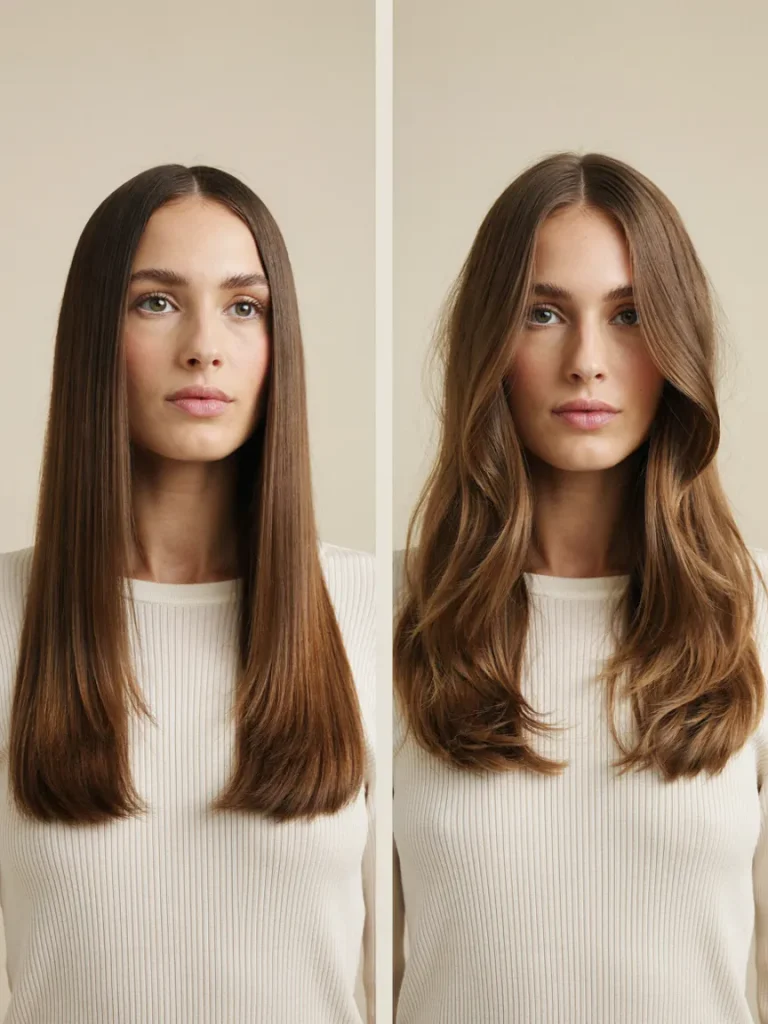
6. Long Layers vs Blunt Ends
| Feature | Blunt Ends | Long Layers |
| Overall shape | Straight, solid outline | Soft, cascading outline |
| Hair movement | Less movement through the lengths | More movement and bounce |
| Perceived fullness | Strong, dense-looking ends | Depends on layer placement |
| Styling options | Sleek and polished | Bouncy blowouts and loose waves |
| Best suited for | Fine hair needing a fuller perimeter | Hair that needs shape and flow |
Choosing between these finishes depends on your hair texture and styling habits. Long layers are often helpful when thick hair feels heavy or the ends refuse to move. Blunt ends can be better for fine hair that needs a denser appearance. For a balanced result, ask your stylist to preserve a strong perimeter while adding a few subtle internal layers.
7. Bouncy Curtain Bangs
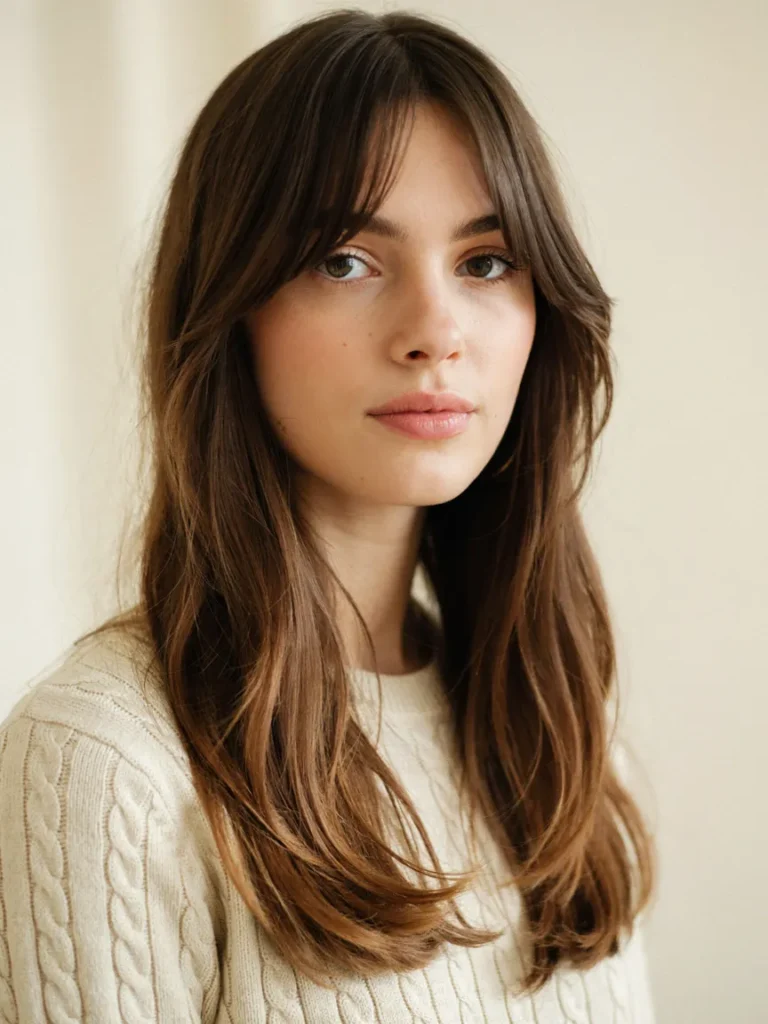
DO
- Ask for curtain bangs that blend gradually into your longest layers.
- Keep the shortest pieces around the cheekbones or chin, depending on your face shape.
- Blow-dry each side away from your face using a round brush.
- Apply lightweight heat protectant before styling.
DON’T
- Cut the bangs too short before discussing your natural hair texture.
- Use heavy oils near the roots, where they can flatten the fringe.
- Curl every section in the same direction if you prefer a softer, less uniform finish.
- Forget that bangs may need more frequent trims than long layers.
Curtain bangs bring attention to the eyes and cheekbones while adding movement around the front of your hairstyle. They pair beautifully with long, flowing lengths and soft waves. For easier daily styling, ask for a fringe that still looks attractive when it falls naturally rather than requiring a perfect blowout every morning.
8. Textured Long Shag
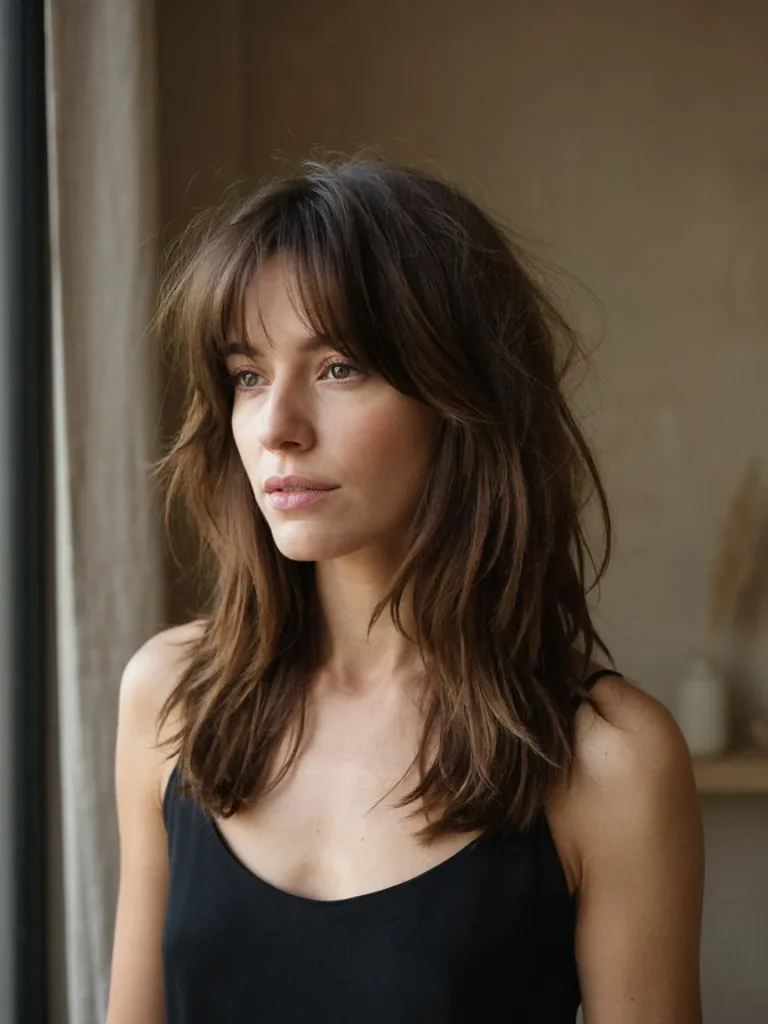
Best For: Medium to thick hair that needs movement and a lighter finish.
Texture: Choppy, blended layers with a soft, lived-in appearance.
Styling Time: Around 10 to 20 minutes, depending on hair thickness and technique.
Finish: Airy volume at the crown with separated, textured ends.
A long shag gives your hair a relaxed shape without making it look overly polished. Its shorter crown layers create lift, while the longer sections preserve the length you love. Work a small amount of texturizing cream through damp ends, then diffuse gently or let your hair air-dry. Ask for customized layers if your hair is very fine, since excessive texturizing can reduce fullness.
9. Face-Framing C-Curve Layers
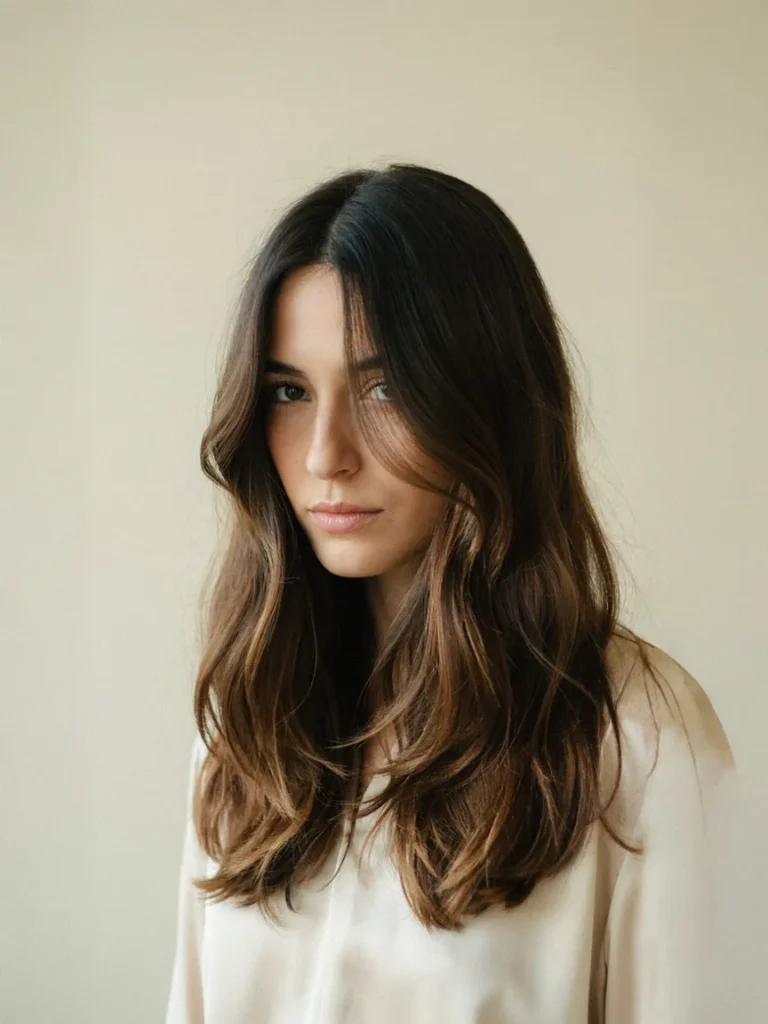
Sometimes the smallest change creates the prettiest movement. C-curve layers shape the front sections into soft inward bends, giving the face a gentle frame while keeping the rest of the hair long and flowing.
The key is to create a smooth curve rather than a sharp flip. Ask your stylist to blend the front layers into the sides, then use a round brush to guide the ends inward as you dry them. This technique works beautifully for sleek hairstyles and soft blowouts. Among versatile Haircuts for Long Hair, this shape is especially appealing if you want a polished finish without dramatic layers throughout the back.
10. Butterfly Cut with Wispy Bangs
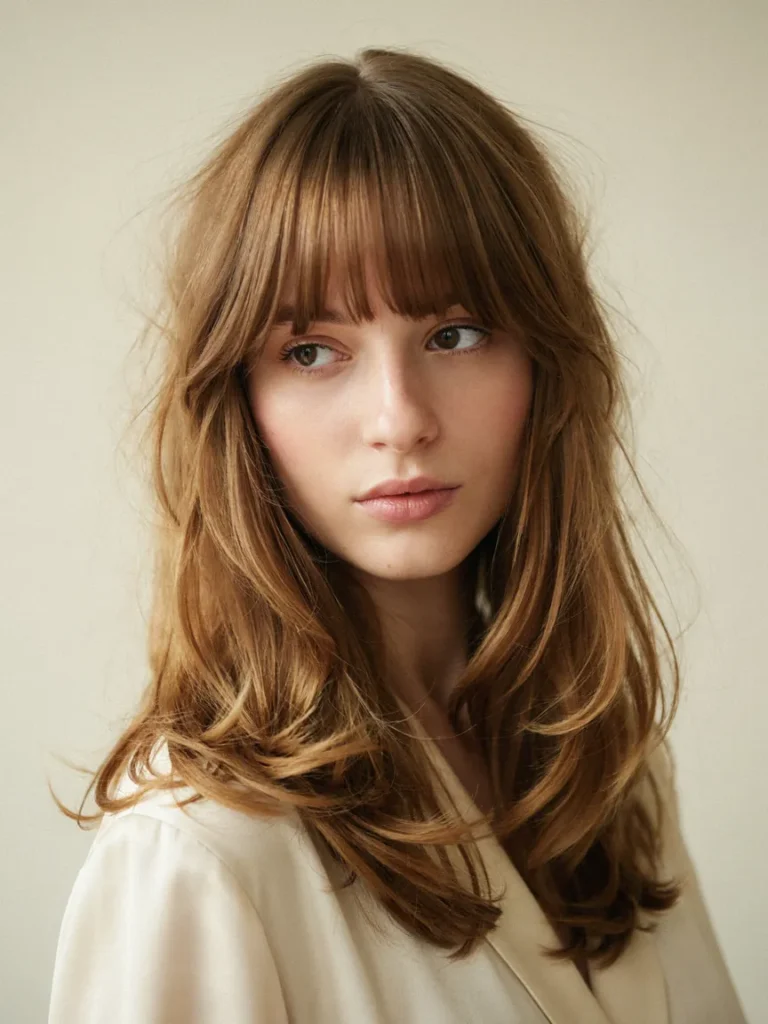
- Start with the fringe: Ask for lightweight, wispy bangs that blend into the shortest face-framing layers.
- Build the shape: Keep the upper layers around the chin and shoulders while preserving the long bottom section.
- Create the bounce: Blow-dry the front pieces away from your face with a medium round brush.
- Set the finish: Allow the hair to cool before gently brushing through the curls.
Wispy bangs give the butterfly cut a softer, more relaxed appearance. They add detail around the forehead without creating the heavy look of a thick fringe. If your hair is naturally wavy, style the bangs separately while damp to help control their direction. A light finishing spray can keep the front pieces lifted without making them feel stiff.
11. Soft S-Wave Layers
Quick Tip:
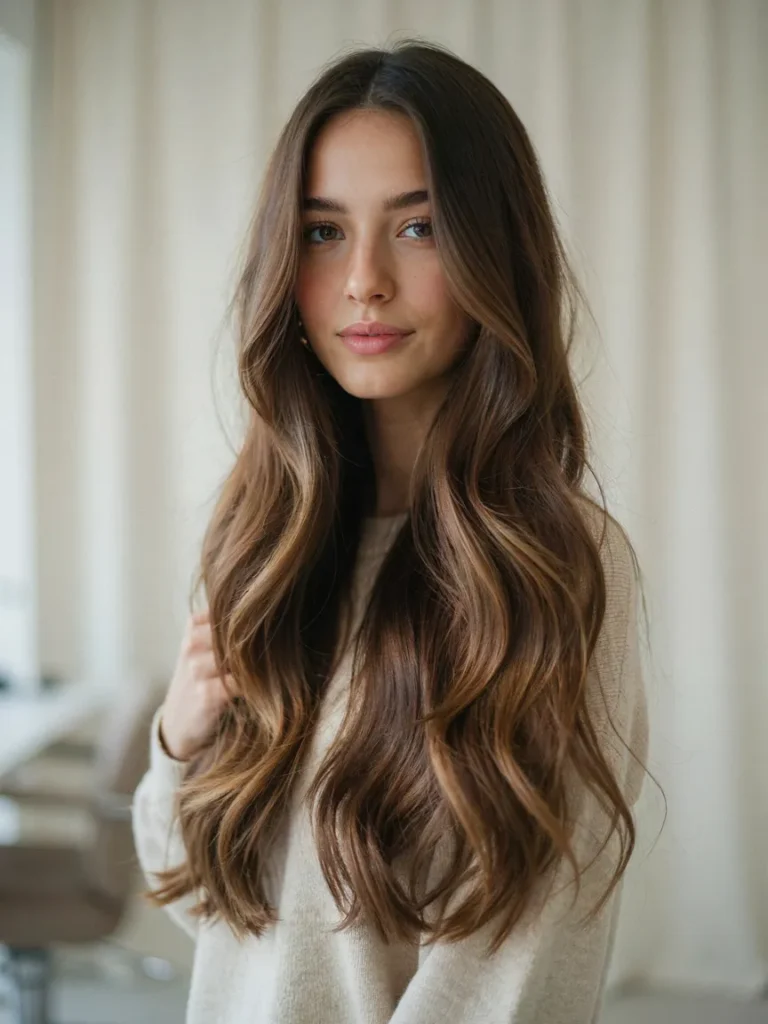
Use a large-barrel curling iron to create loose bends rather than tight ringlets. Alternate the curling direction between sections, leave the last inch of each section out, and let the hair cool completely before brushing it gently.
S-shaped waves make long hair look fuller because the bends create dimension and prevent the ends from falling in one straight line. In my experience, keeping the waves loose produces a softer finish that lasts longer visually as the curls relax. Pair this styling technique with long, blended layers for movement that looks natural rather than overly structured.
12. Rounded Feathered Ends
BEFORE
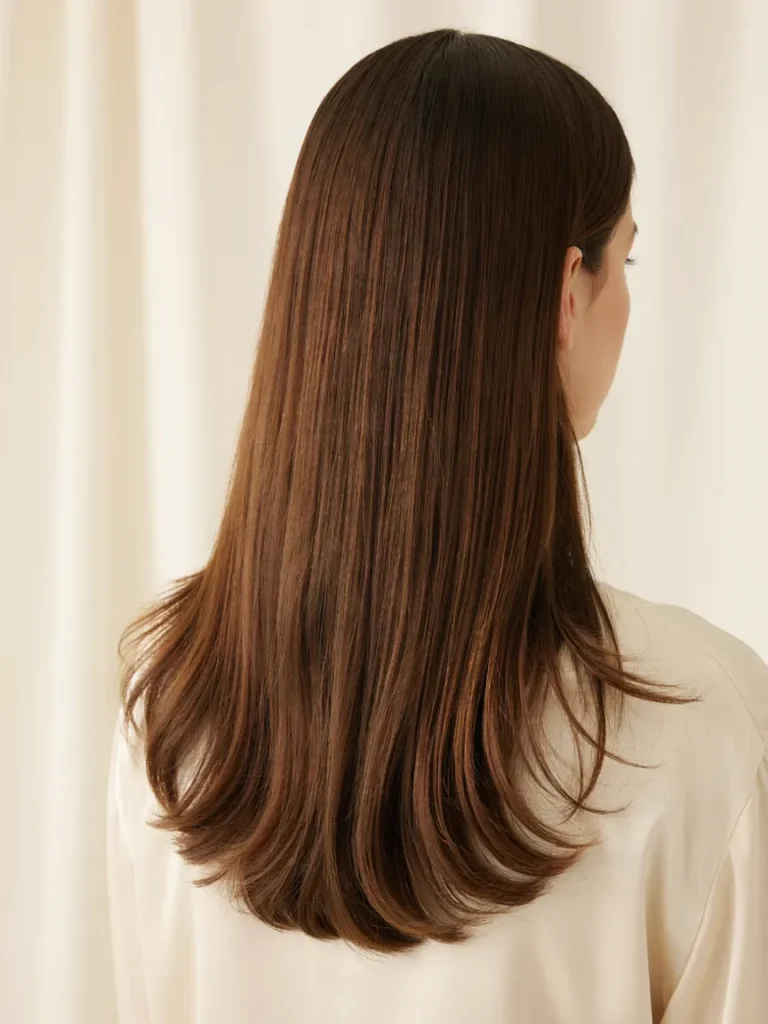
Long hair with dry-looking, straight ends can create a heavy silhouette. The bottom section may appear stiff, especially when the rest of the hair has little natural movement.
AFTER
Rounded feathered ends create a softer outline with gentle curves. The tips appear lighter and more dynamic, while the overall length remains intact.
Ask your stylist for subtle feathering through the bottom few inches instead of aggressive thinning. At home, apply heat protectant and use a round brush to curve the ends outward or inward. This finish works particularly well for medium to thick hair. If your ends are already sparse or damaged, focus on a healthy trim before adding extra texture.
13. Long Layers with Side Bangs
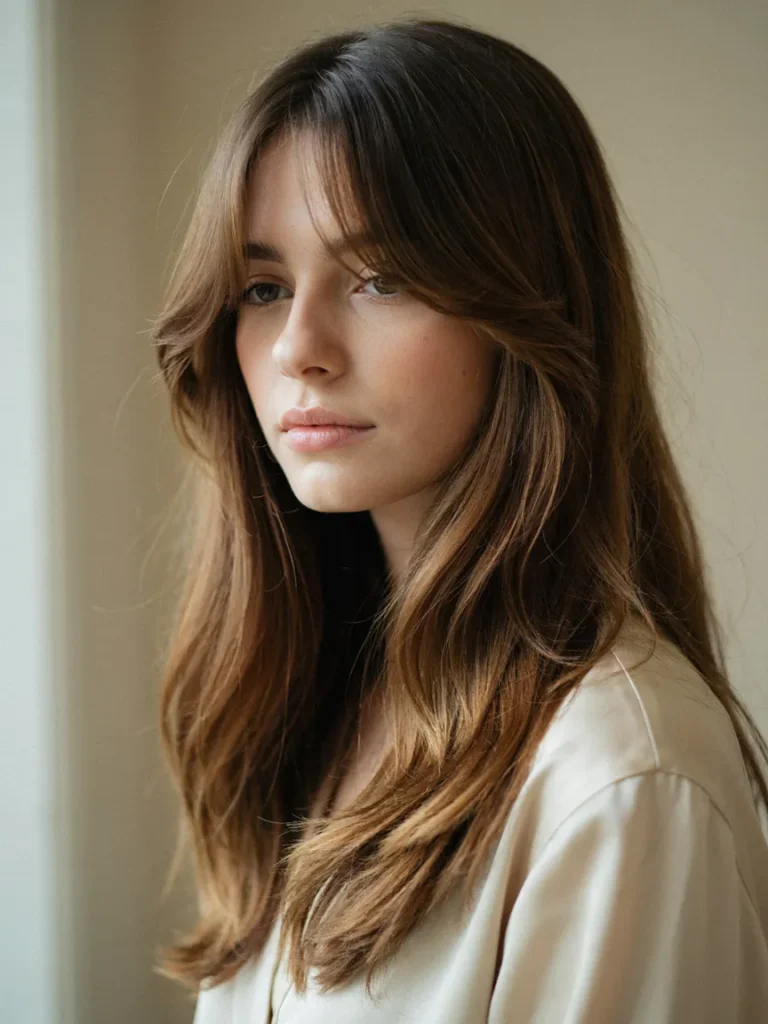
- Choose your part: Decide whether a deep side part or a softer side sweep suits your natural hair growth.
- Shape the fringe: Ask your stylist for bangs that gradually blend into the front layers.
- Lift the roots: Blow-dry the fringe in the opposite direction first, then sweep it into place.
- Finish the lengths: Add loose bends through the lower sections for extra movement.
Side bangs add a graceful angle to long hair and create an easy way to change your everyday look without losing length. They pair especially well with soft layers because the front and back feel connected. If your hair naturally separates in the middle, ask for a fringe that works with your growth pattern instead of fighting it every morning.
14. Long Layers vs Invisible Layers
| Feature | Visible Long Layers | Invisible Layers |
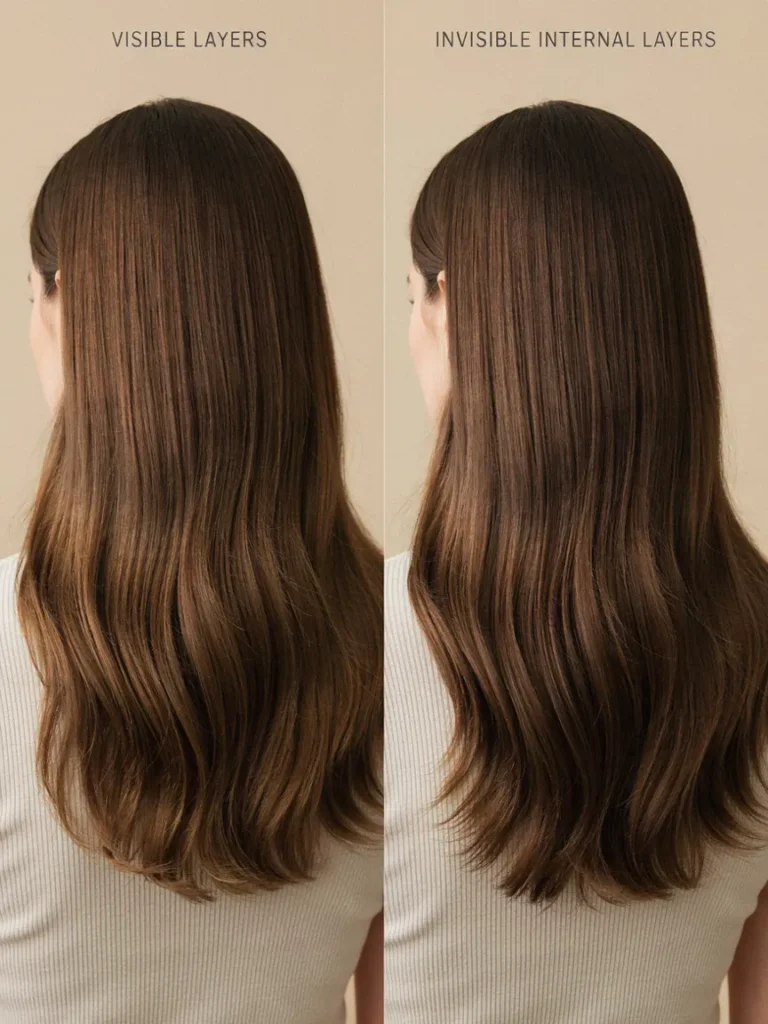
| Outer appearance | Clearly defined cascading sections | Mostly smooth, continuous outline |
| Movement | Noticeable separation and bounce | Subtle lift and flexible movement |
| Best for | Thick hair that feels heavy | Hair needing internal shape |
| Styling result | Voluminous blowouts and waves | Sleek styles with softer body |
| Main consideration | Layers may need styling | Results depend on precise cutting |
The right layering technique depends on how much shape you want to see. Visible layers add drama and help thick hair move, while invisible layers create a softer change without dramatically altering the outline. Tell your stylist whether you usually wear your hair straight, wavy, or curled. That detail helps determine where the layers should sit and how much weight to remove.
15. Long Shag with Curtain Fringe
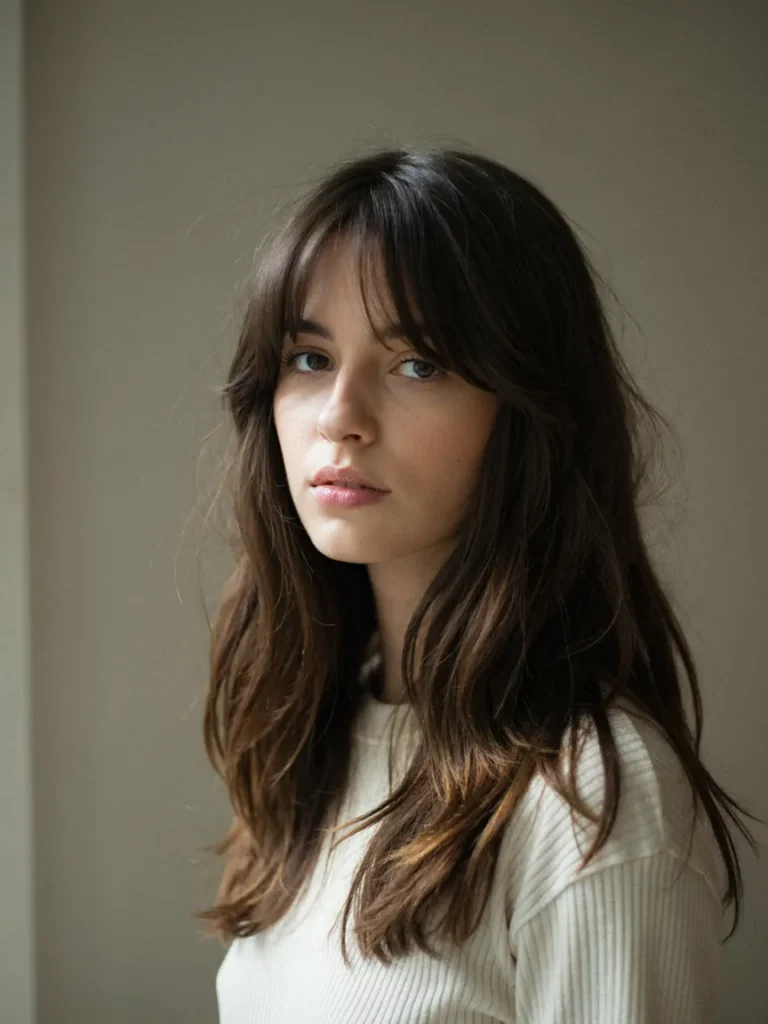
DO
- Keep the crown layers blended into the longer lengths.
- Ask for a curtain fringe that opens naturally around the eyes.
- Use a small amount of texturizing cream on the mid-lengths and ends.
- Refresh the roots with a lightweight volumizing spray when needed.
DON’T
- Remove too much density from already fine hair.
- Expect heavily textured layers to look sleek without styling.
- Apply thick creams that weigh down the crown.
- Cut the fringe too short without considering natural shrinkage or wave pattern.
A long shag with curtain fringe combines crown volume with relaxed, piecey movement. The layered shape gives the hair character, while the longer bottom section keeps it feminine and versatile. Scrunch damp lengths gently or use a diffuser on low heat to bring out natural texture. For a smoother finish, a round brush can soften the layers without removing their airy shape.
16. Polished Hollywood Layers
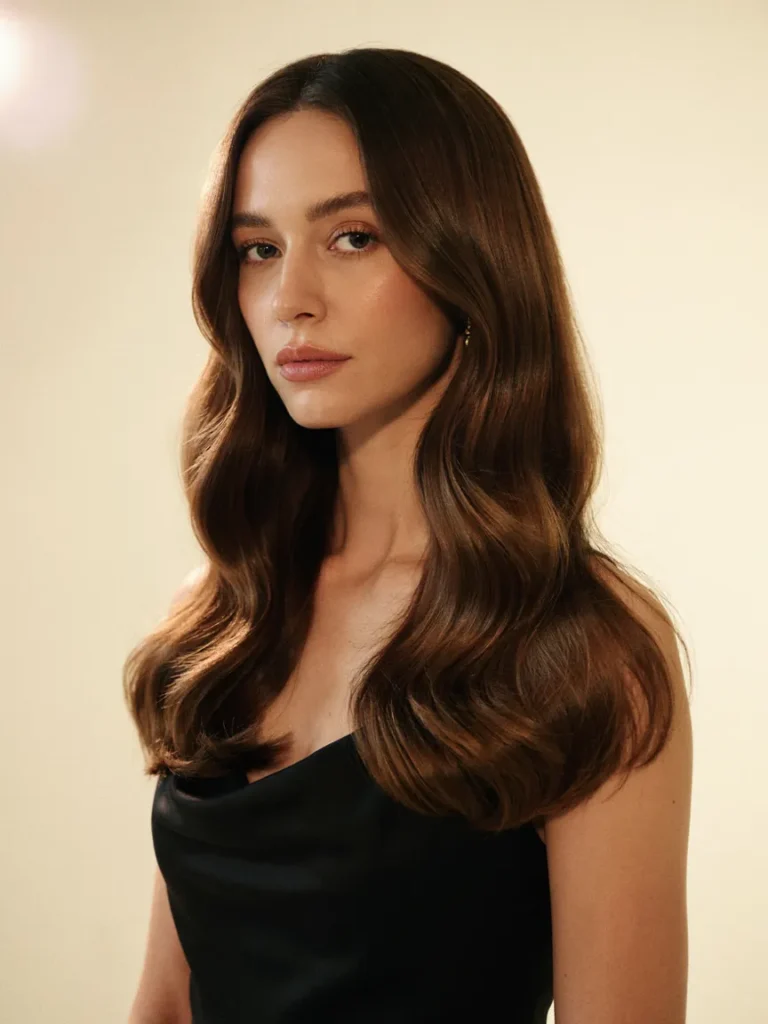
- Best For: Medium to thick hair that holds a curl well.
- Styling Time: Approximately 25 to 40 minutes, depending on hair length and density.
- Skill Level: Intermediate, especially for creating uniform waves.
- Result: Glossy, rounded volume with a smooth, glamorous silhouette.
Hollywood layers bring a red-carpet finish to long hair without requiring an elaborate cut. The key is to create large, consistent curls and brush them into flowing waves once they have cooled. A heat protectant helps reduce styling damage, while a flexible-hold spray maintains movement. Ask for long, blended layers that support the waves without leaving the ends looking thin.
17. Long Layers with Flipped Ends
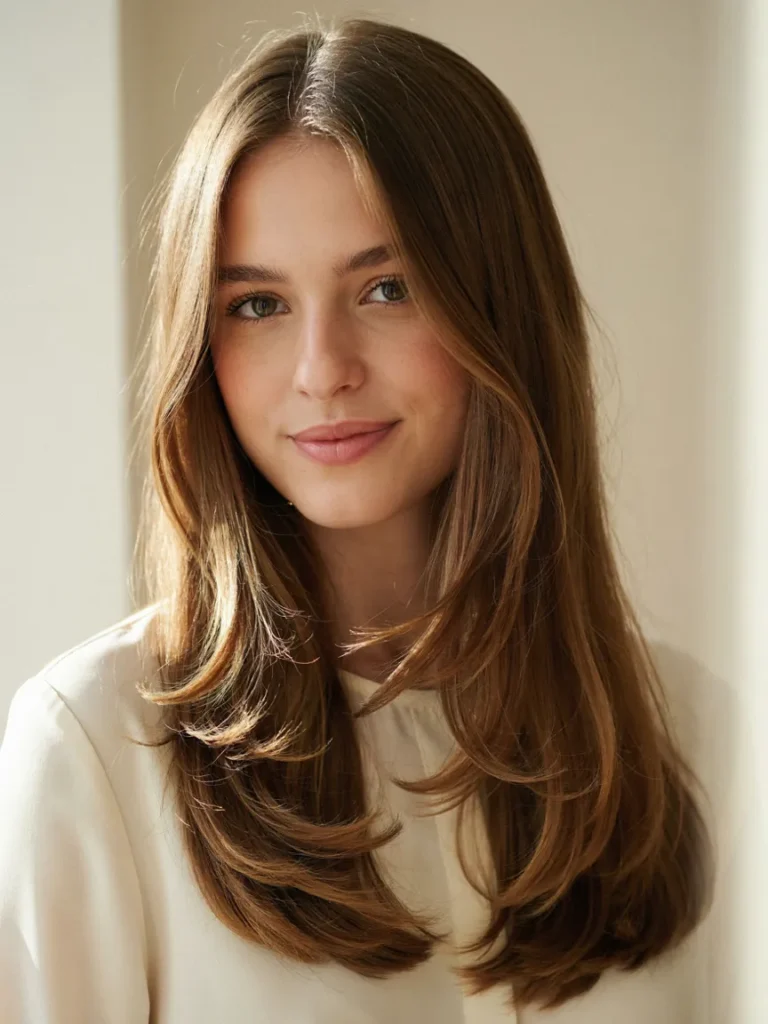
Flat ends do not have to mean a major haircut. A simple outward flip can make long hair look lively while keeping the overall shape sleek and wearable.
Start with clean, fully detangled hair and apply a heat protectant. Blow-dry each section with a round brush, directing the final few inches outward. For a more defined flip, use a flat iron with a gentle wrist turn rather than bending the hair sharply. Finish with a light mist of flexible-hold spray. This styling technique works especially well with subtle long layers because each section moves independently instead of forming one stiff line.
18. Long Layers with a Deep Side Part
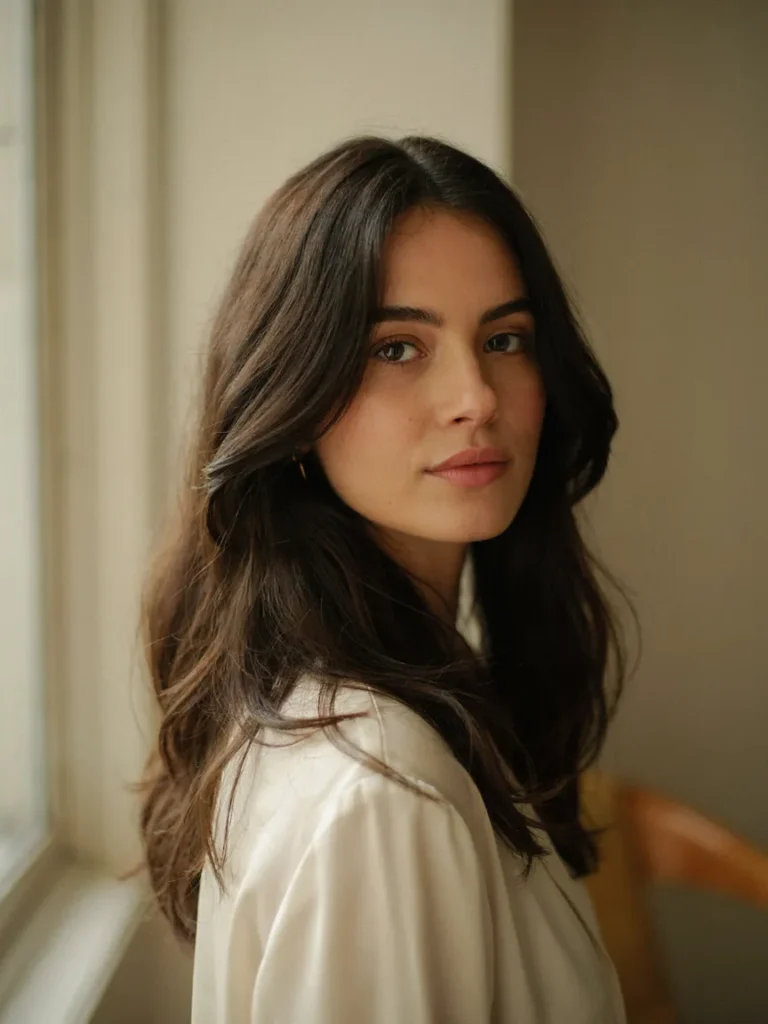
Quick Tip:
Create your side part while the roots are slightly damp, then blow-dry the hair in the opposite direction before sweeping it into place. This helps build lift at the crown instead of leaving the part flat against the scalp.
A deep side part changes the balance of a long hairstyle without removing any length. It creates a fuller-looking front section and lets the layers fall in a more dramatic curve over one shoulder. For extra bounce, curl the face-framing pieces away from the face and leave the ends slightly loose. If your hair naturally returns to a center part, a small root clip can help set the direction while it cools.
19. Long Layers with Balayage
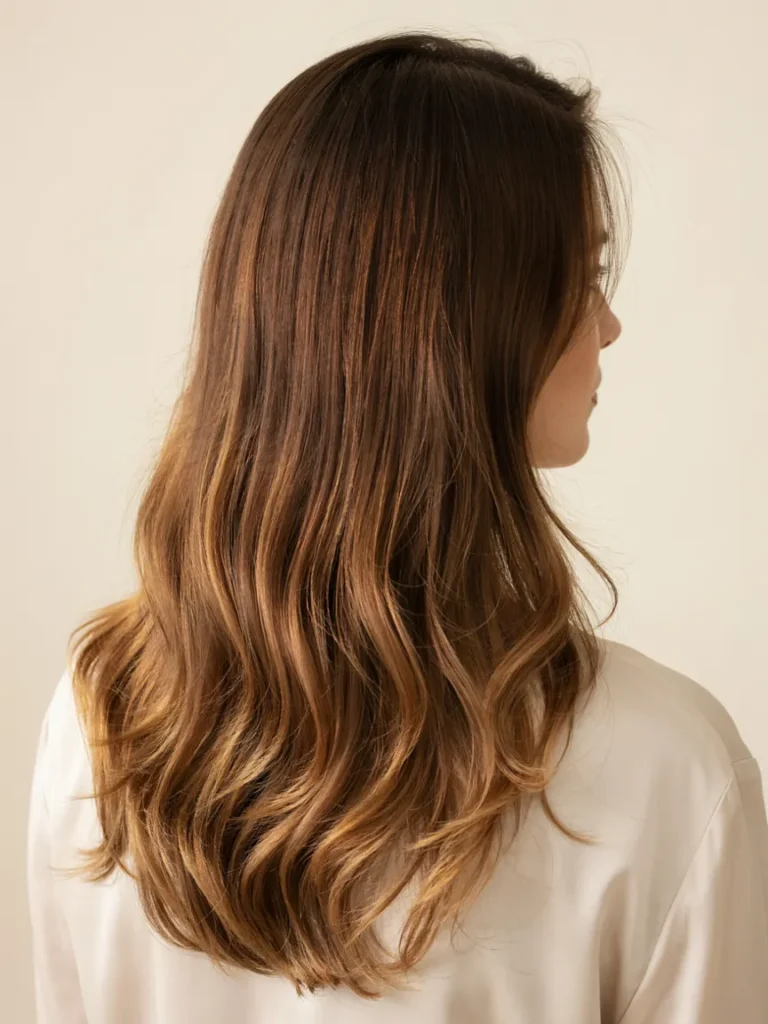
- Highlight placement: Keep the lighter tones concentrated around the mid-lengths and ends for a naturally blended finish.
- Layer shape: Choose long, seamless layers that allow the different hair tones to catch the light.
- Styling method: Create loose waves with a large-barrel curling iron, alternating directions for natural movement.
- Color maintenance: Use color-safe shampoo and conditioner, and limit excessive heat to protect shine.
Balayage adds dimension that makes layered hair appear more textured and dynamic. The lighter strands catch the light along each curve, helping the ends look less flat. Ask your colorist to choose shades that complement your natural base rather than creating harsh stripes. If your hair is already dry or fragile, prioritize conditioning and healthy trims before adding lightener.
20. Long Layers with Soft Waves
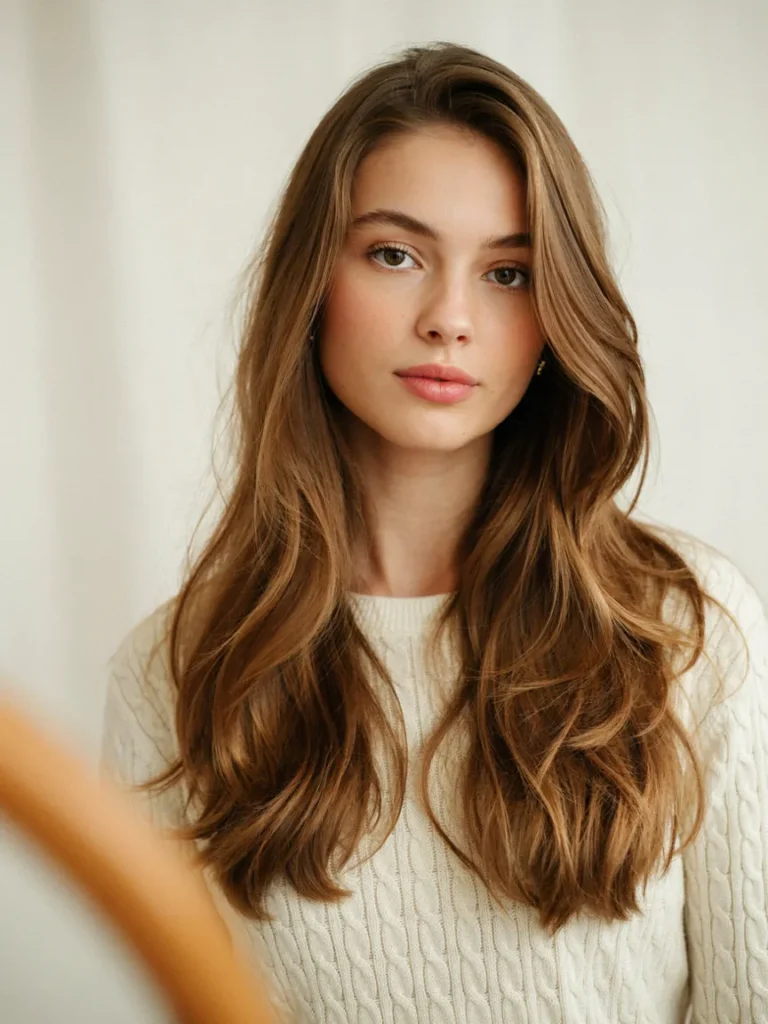
The easiest hairstyles are often the ones that still look lovely after the waves begin to loosen. Soft waves paired with long, blended layers create natural movement without requiring perfectly shaped curls or a dramatic haircut.
Start by applying heat protectant to dry hair, then curl medium-sized sections away from your face. Alternate directions through the back for a more relaxed finish, leaving the last inch of each section straighter. Once the hair cools, separate the waves gently with your fingers. Among Haircuts for Long Hair, this combination is especially versatile because it works for casual days, office outfits, and special occasions. A light trim every few months can help keep the ends looking healthy and bouncy.
CONCLUSION
Flat ends don’t have to be part of your long-hair routine. The right layers, a flattering shape, or a simple styling change can bring back the movement and bounce you’ve been missing.
These 20 Haircuts for Long Hair offer inspiration for different textures, personal styles, and styling preferences. Before booking your appointment, save a few favorite photos and discuss your hair’s thickness, natural texture, and maintenance needs with your stylist. Small, thoughtful changes often create the most wearable results.
Save this post on Pinterest so your favorite ideas are easy to find later, and share it with a friend who wants a fresh hairstyle. Your next favorite look might be just one haircut away!