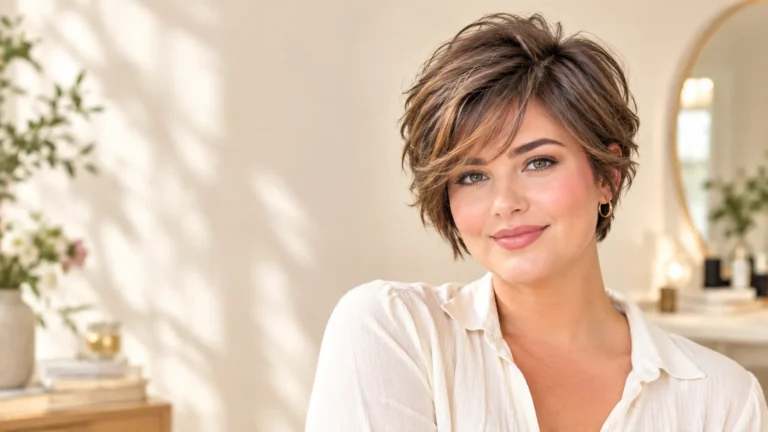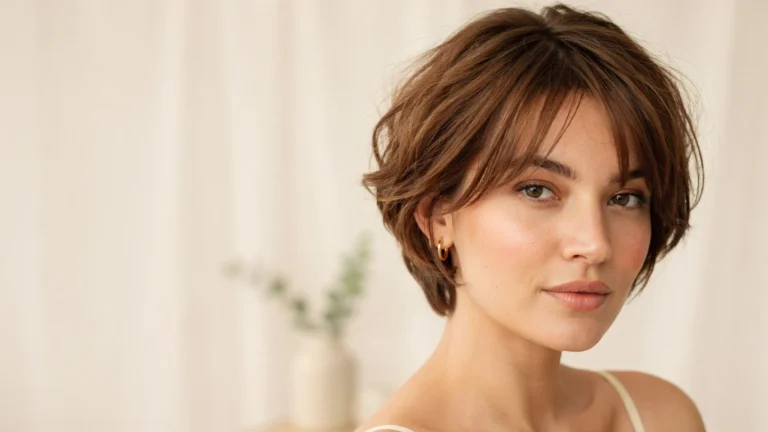
Winter can leave your hair feeling dry, looking dull, and losing the shape you loved just a few months ago. A fresh haircut might be exactly what your spring style needs.
The best Spring Haircuts do more than change your appearance. They bring back movement, soften your ends, and help your hair look healthier without always requiring a dramatic chop. From bouncy butterfly layers and chic Italian bobs to wispy bangs and textured pixie cuts, there’s a style for almost every length and hair type.
I’ve noticed that small changes, such as refreshing face-framing layers or trimming uneven ends, can make a haircut feel completely new. The key is choosing a shape that works with your natural texture, daily routine, and personal style.
In this guide, you’ll find 22 fresh haircut ideas to inspire your next salon appointment. Whether you want to keep your long locks or finally try something shorter, these looks will help you find a flattering, manageable style for the new season. Save your favorites, bring your preferred photos to your stylist, and get ready for a fresh start.
1. Soft Butterfly Layers

Winter often leaves long hair looking flat, dry, and weighed down. Soft butterfly layers bring back movement without sacrificing much length. Shorter pieces around the cheekbones blend into longer layers, creating a light, flowing shape that looks especially pretty when styled with a round brush.
Ask your stylist to keep the shortest layers suited to your face shape and hair density. Fine hair usually benefits from fewer, softer layers that preserve fullness, while thick hair can handle more internal shaping. A little blow-drying cream and a large round brush help create that bouncy finish without excessive heat.
2. Textured Italian Bob

A blunt winter-grown bob can start feeling heavy around the jaw, especially when the ends lose their shape. The textured Italian bob offers a fuller, softly rounded silhouette with enough movement to keep it from looking stiff. Its polished finish works beautifully with natural brunette, warm caramel, or glossy black hair.
Ask for a jaw-length or slightly longer cut with gently softened ends rather than heavily thinned layers. For everyday styling, apply a small amount of lightweight smoothing cream and blow-dry with a paddle brush. Turn the ends inward slightly for a classic finish, or leave them relaxed for an easy, lived-in look.
3. Wispy Curtain Bangs

Sometimes, the smallest change around your face makes your entire haircut feel fresh. Wispy curtain bangs soften the forehead, highlight the eyes, and blend into longer hair without creating the commitment of thick, blunt fringe. They’re especially flattering when the shortest pieces gently follow the cheekbones.
Ask your stylist to start with longer bangs that fall around the bridge of your nose before sweeping outward. This leaves room to adjust the shape after styling. Blow-dry them from side to side using a small round brush, then part them in the center. Keep a little dry shampoo nearby because fringe tends to become oily faster than the rest of your hair.
4. Feathered Shoulder-Length Cut

BEFORE
Shoulder-length hair can look bulky at the bottom after months of cold weather, scarves, and repeated heat styling. Uneven ends may also make the shape appear tired instead of polished.
AFTER
Feathered layers create softer edges, natural movement, and a lighter outline around the shoulders. The result feels fresh without requiring a dramatic length change.
Ask your stylist for blended layers that sweep away from the face rather than sharp, disconnected pieces. This shape works particularly well for medium to thick hair that needs movement without losing too much fullness. A round brush and a light blow-dry lotion help the ends curve gently. For finer hair, keep the layering subtle to avoid making the bottom look sparse.
5. Chic Collarbone Lob

- Choose your length. Ask for the ends to sit at or just below your collarbone for a versatile shape.
- Set the perimeter. Keep the bottom relatively blunt to create the appearance of thicker, healthier ends.
- Add subtle movement. Request minimal internal layers if your hair feels bulky around the sides.
- Style with care. Use heat protectant before blow-drying and finish with a tiny amount of lightweight serum.
A collarbone lob is one of the most adaptable spring haircut choices because it works with ponytails, loose waves, and straight styles. In my experience, keeping the front pieces slightly longer can make the shape feel modern while allowing the hair to fall neatly around the shoulders. Regular trims help maintain its clean outline.
6. Rounded French Bob

| Feature | Option A: Rounded Bob | Option B: Straight Blunt Bob |
| Overall shape | Soft, curved silhouette | Clean, geometric outline |
| Hair movement | Gentle volume around the cheeks | Sleek, structured finish |
| Best suited for | Hair that benefits from rounded shaping | Hair that holds a defined perimeter |
| Styling approach | Round brush with light shaping cream | Paddle brush with smoothing lotion |
A rounded French bob gives short hair a softer, more relaxed finish than a sharply geometric cut. The curved shape adds fullness around the sides, while optional fringe draws attention to the eyes. Ask your stylist to adjust the length to your jawline and consider your natural texture before committing to bangs. A small trim every six to eight weeks can help preserve the shape.
7. Soft Shaggy Layers

DO
- Ask for soft, blended layers that create movement around the crown and cheekbones.
- Keep the ends textured rather than heavily thinned.
- Use a lightweight mousse to encourage natural lift and separation.
- Let your hair air-dry partially before using a diffuser on a low setting.
DON’T
- Request extremely short layers if you prefer a smooth, uniform silhouette.
- Overuse texturizing products that leave strands stiff or sticky.
- Thin already fragile ends excessively.
- Expect a low-maintenance finish if your hair needs frequent heat styling to hold its shape.
The soft shag is a lovely choice for hair that feels flat after winter. Its varied lengths create a relaxed, slightly undone finish without requiring perfect styling. Wavy hair often shows off the texture naturally, while straight hair may need a little mousse and gentle scrunching. Ask for a customized version that respects your hair’s density.
8. Glossy Long Layers
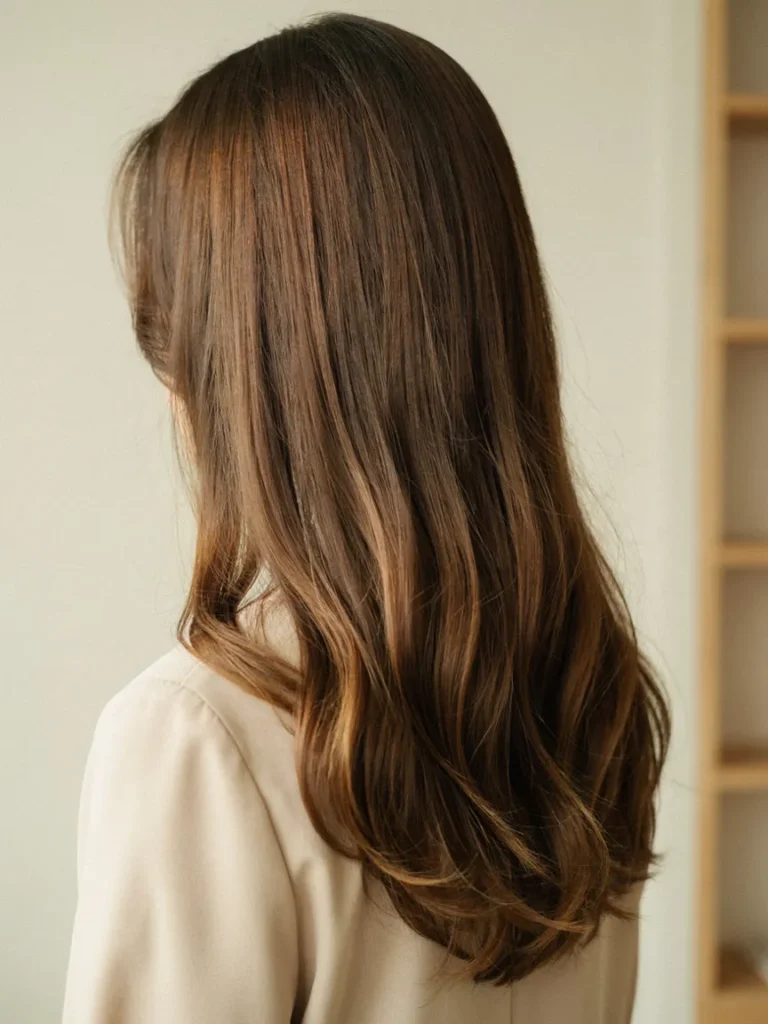
- Length: Long hair with blended layers
- Best For: Medium to thick hair seeking movement
- Styling Time: Approximately 10 to 20 minutes, depending on length and technique
- Maintenance: Trim every 8 to 12 weeks, adjusted for split ends and desired shape
- Result: A flowing silhouette with softer ends and natural-looking volume
Long hair doesn’t need a dramatic chop to look healthier for spring. Blended layers remove some visual weight while allowing the length to swing freely, especially around the shoulders and back. Ask your stylist to remove damaged ends first, then shape the remaining length with layers that suit your natural texture.
For a smooth finish, apply heat protectant and dry the hair in sections with a round brush. If you prefer loose waves, curl alternating sections away from your face and gently brush them out. Keep the ends looking fresh with regular trims rather than relying on shine products to disguise damage.
9. Airy Bixie Cut

A bixie gives you the lightness of a short cut with a little more softness around the ears and nape. The crown has gentle texture, while longer pieces around the face prevent the style from feeling too severe. It’s an appealing option if winter damage has left your ends thin or uneven.
Ask your stylist to customize the length around your ears, neckline, and cheekbones. Fine hair can benefit from a softly textured crown, while thick hair may need careful internal shaping to control bulk. Styling usually takes only a few minutes with a pea-sized amount of texture cream. Remember that shorter cuts need regular trims to maintain their intended silhouette.
10. Blunt Chin-Length Bob
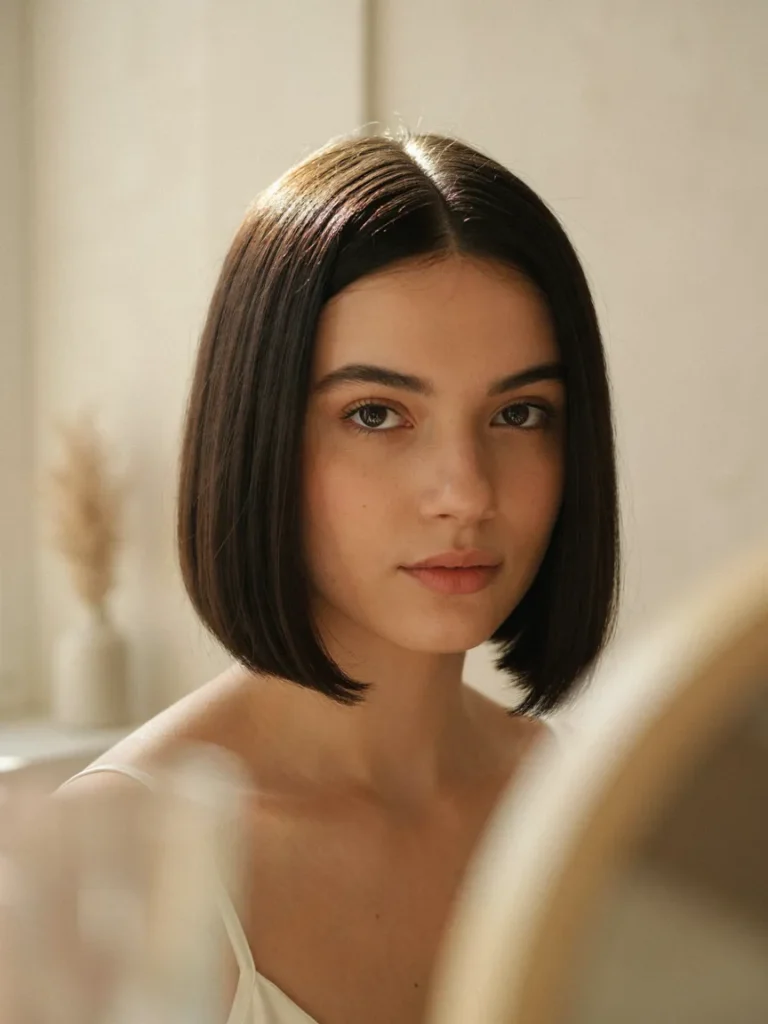
- Ask for a clean, even perimeter that removes visibly split or uneven ends.
- Keep the length just below the chin if you want a little extra flexibility for styling.
- Request minimal layers to maintain a strong, full-looking outline.
- Apply heat protectant before straightening or blow-drying.
- Finish with one or two drops of lightweight serum on the ends.
A blunt bob makes healthy-looking ends the focus, so precision matters more than complicated styling. It’s especially appealing for fine to medium hair that needs a fuller-looking outline. Thick hair may require subtle internal weight removal to prevent a triangular shape. For a polished spring finish, use a paddle brush and keep the ends smooth without repeatedly passing a hot iron over the same section.
11. Face-Framing Layers

Quick Tip:
Ask your stylist to shape the shortest pieces around your preferred facial features, whether that’s the cheekbones, jawline, or chin. Bring a reference photo showing your natural hair texture, not just a professionally styled finish.
Face-framing layers refresh long hair without requiring a shorter overall cut. The front pieces create movement around your face, while the remaining length stays intact. I’ve noticed that gradual layers tend to blend more naturally than abrupt, short sections, particularly on straight or slightly wavy hair. For everyday styling, direct the front pieces away from your face with a round brush, then let them cool before touching them.
12. Soft U-Shaped Cut

BEFORE
Long hair with a straight, uneven hemline can appear heavy at the back, especially when the ends have become rough or thin. The shape may lack movement even when the length is still beautiful.
AFTER
A soft U-shaped cut creates a gentle curve, keeping the center longer while the sides blend upward. The outline looks lighter and more fluid without sacrificing much length.
Ask for a shallow U rather than a dramatic curve if you prefer a fuller appearance at the bottom. This shape works well for straight, wavy, and moderately thick hair. Pair it with a small trim to remove split ends, then use a wide-tooth comb on damp hair to reduce unnecessary pulling. The result is a clean, flowing silhouette that looks lovely worn loose or in a low ponytail.
13. Textured Pixie Cut
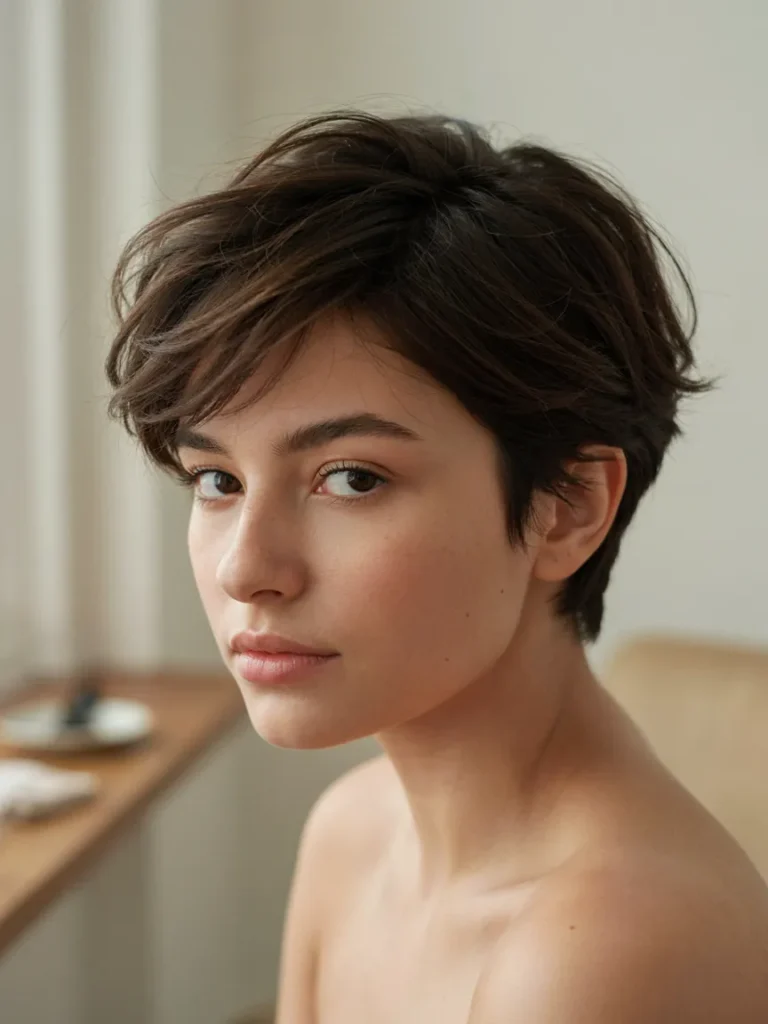
- Choose the silhouette. Ask your stylist for softly tapered sides and a little extra length on top.
- Customize the fringe. Keep it side-swept, piecey, or lightly textured to suit your face shape.
- Remove damaged ends. Have brittle or uneven sections trimmed before refining the final shape.
- Style with restraint. Rub a pea-sized amount of lightweight texture paste between your fingers and work it through dry hair.
A textured pixie feels fresh, light, and practical for warmer weather. The short length can eliminate damaged ends across much of the haircut, although the exact result depends on where the damage begins. Fine hair often benefits from gentle crown lift, while thick hair may need more careful tapering. Plan regular trims every four to six weeks to maintain the shape.
14. Layered Midi Cut

| Feature | Option A: Minimal Layers | Option B: Blended Layers |
| Overall shape | Fuller, more uniform outline | Softer, more flowing silhouette |
| Hair movement | Subtle movement at the ends | More movement through the lengths |
| Best suited for | Fine hair needing visual fullness | Medium to thick hair needing less bulk |
| Styling | Smooth blow-dry or loose bends | Round-brush shaping or relaxed waves |
The layered midi cut offers a useful middle ground between a long haircut and a shorter lob. Its shoulder-skimming length feels lighter, while blended layers prevent the ends from looking like a heavy block. Ask your stylist to preserve fullness where your hair is thinnest and add movement only where it will improve the shape.
For a quick spring style, blow-dry the roots for lift and bend the mid-lengths slightly with a large-barrel curling iron. Always use heat protectant and allow the hair to cool before brushing through the waves. This cut also looks attractive air-dried when your natural texture has a little movement.
15. Curly Shoulder-Length Cut

DO
- Ask for a curl-specific cut that considers how your hair springs up when dry.
- Request rounded layers that distribute volume without creating unwanted gaps.
- Apply leave-in conditioner to damp hair, followed by a curl cream suited to your texture.
- Use a microfiber towel or soft cotton T-shirt to gently remove excess water.
DON’T
- Let your stylist remove substantial length without discussing shrinkage first.
- Brush dry curls if doing so causes frizz or disrupts your natural pattern.
- Overload your hair with heavy oils that leave curls limp.
- Assume every curl type needs the same layering technique.
A shoulder-length curly cut can make winter-weary curls look more defined and balanced. The key is shaping the hair around its natural pattern instead of forcing it into a straight-hair silhouette. Fine curls may need lighter products, while dense curls often benefit from richer conditioning. Ask for a routine that supports your texture, and trim damaged ends when needed to keep the shape healthy.
16. Sleek Side-Part Lob
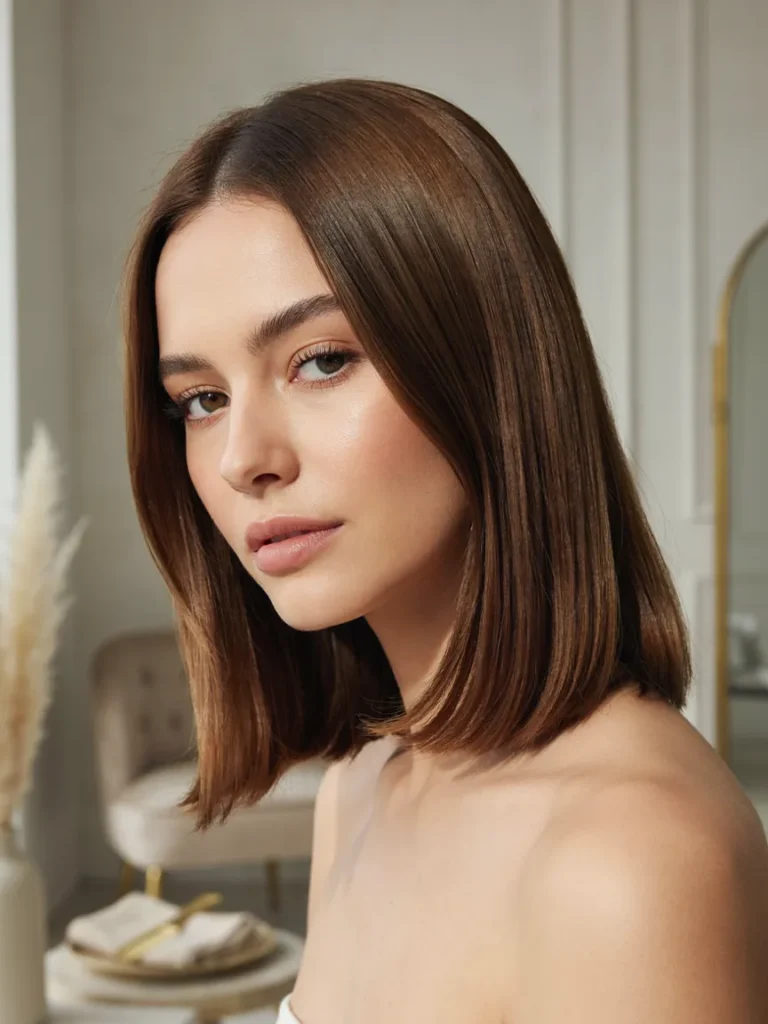
- Best For: Straight or slightly wavy hair that holds a smooth finish
- Length: Between the jaw and shoulders, depending on face shape
- Styling Time: Around 10 to 15 minutes with a blow-dryer and paddle brush
- Maintenance: Trim every 6 to 8 weeks to maintain a crisp outline
- Result: A sleek, structured haircut with a soft, modern finish
A deep side part gives a classic lob a noticeable refresh without changing its overall length. The angled part creates natural lift at the roots, while the smooth perimeter keeps the ends looking neat. Ask your stylist to adjust the front length so it falls comfortably around your jaw and shoulders.
For a salon-like finish at home, blow-dry in small sections using a paddle brush and moderate heat. Apply heat protectant first, then finish with a tiny amount of smoothing serum. If your roots become flat quickly, keep heavier products away from the scalp. This cut suits anyone who prefers a polished look over heavily textured styling.
17. Wispy Micro Bangs

Quick Tip:
Start with micro bangs that sit slightly longer than your desired finished length. Hair can bounce upward as it dries, particularly if it has natural waves or curls, so ask your stylist to account for shrinkage.
Wispy micro bangs add a distinctive detail to a spring haircut without requiring a dramatic change throughout the rest of your hair. Their separated texture keeps the fringe from looking too dense, while the exposed forehead creates a bold, modern outline. They’re especially striking with a bob or pixie, although face shape and hair growth patterns affect the final result.
Keep in mind that short fringe needs frequent maintenance, sometimes every two to four weeks. Use a small brush and low heat to guide the strands into place. If you prefer a wash-and-go routine, discuss a slightly longer version that can grow out gracefully rather than needing constant trimming.
18. Long Butterfly Bob

BEFORE
A one-length bob can feel stiff when the ends sit heavily against the neck. If the front sections have grown unevenly, the haircut may also lose its original shape and movement.
AFTER
A long butterfly bob combines a shoulder-grazing length with shorter, sweeping layers around the face. The result feels lighter and more dimensional while retaining enough length for small ponytails and half-up styles.
Ask your stylist to blend the shorter sections into the back instead of creating a sharp step between layers. This is particularly important for fine hair, where too many short pieces can reduce fullness. Blow-dry the front sections away from your face with a round brush, then finish the ends with a gentle bend. The cut offers movement without demanding a complicated daily routine.
19. Modern Wolf Cut

- Set the length. Choose a shoulder-length or slightly longer base to keep the style versatile.
- Shape the crown. Ask for shorter layers that create lift without making the top look excessively choppy.
- Blend the sides. Keep the face-framing pieces connected to the longer lengths.
- Enhance the texture. Apply a small amount of lightweight mousse to damp hair and scrunch gently.
- Finish naturally. Air-dry or use a diffuser on low heat to preserve your hair’s natural movement.
The modern wolf cut combines shaggy texture with a fuller, flowing outline. It’s especially appealing for naturally wavy hair that already has some movement. Straight hair can also wear this shape, although styling products may help define the layers. If your ends are fragile, ask your stylist to prioritize removing damaged sections before adding extensive texture.
20. Voluminous Blowout Layers

| Feature | Option A: Air-Dried Finish | Option B: Voluminous Blowout |
| Overall look | Relaxed, natural texture | Smooth, rounded movement |
| Products | Lightweight leave-in conditioner | Heat protectant and blow-dry lotion |
| Tools | Wide-tooth comb or diffuser | Round brush and blow-dryer |
| Time | Depends on natural drying time | Around 15 to 30 minutes |
Voluminous layers bring softness and bounce to hair that has become flat or heavy over winter. The secret is shaping the layers to complement your natural density, rather than removing too much weight. Ask for face-framing pieces and blended ends that move freely without leaving the bottom looking thin.
For a bouncy finish, work with manageable sections and lift each section at the roots while drying. Use moderate heat, then allow the hair to cool before brushing it out. Always apply heat protectant, especially if your hair already feels dry. The same cut can look relaxed when air-dried or polished when styled, making it a versatile seasonal choice.
21. Soft A-Line Bob

DO
- Ask for a gentle angle that becomes slightly longer toward the front.
- Keep the back neatly shaped to prevent excess bulk at the neckline.
- Choose a length that complements your jawline and styling habits.
- Use a smoothing cream to control flyaways without weighing down the hair.
DON’T
- Request an extreme angle if you prefer a subtle, easy-to-maintain shape.
- Allow excessive thinning through the ends if your hair is already fine.
- Ignore your natural growth pattern at the nape.
- Use high heat every day to force the hair into a perfectly straight finish.
The soft A-line bob gives a classic short haircut a little extra structure. The gradually longer front sections frame the face, while the shorter back creates a clean neckline. It works especially well for straight or slightly wavy hair, although thicker textures may need internal shaping. Regular trims help preserve the angle and keep the outline looking intentional.
22. Healthy Ends Trim

- Start with an assessment. Ask your stylist to examine the ends and identify visible splitting, breakage, or uneven sections.
- Choose a realistic trim. Remove enough length to improve the outline without cutting off more than you’re comfortable with.
- Keep the shape balanced. Request a blunt perimeter or gentle U-shape depending on your preferred finish.
- Protect the fresh cut. Apply conditioner to the lengths and use heat protectant whenever you style with hot tools.
Sometimes, the most effective spring refresh is a careful trim rather than a completely new haircut. Removing split ends improves the appearance of the hair, although no haircut can repair damage farther up the strand. Pair your trim with gentle detangling, regular conditioning, and less frequent high-heat styling to help prevent further breakage. Your hair can look smoother, feel easier to manage, and maintain its length more successfully with consistent care.
CONCLUSION
A new season is the perfect opportunity to give your hair the attention it deserves. From soft butterfly layers to polished bobs and playful pixie cuts, these Spring Haircuts offer plenty of inspiration for refreshing your look and removing worn-out ends.
Remember, you don’t need to lose inches of length to see a difference. The right trim, thoughtful layers, and a style that suits your natural texture can help your hair look fresher and feel easier to manage.
Save this article on Pinterest so your favorite ideas are ready for your next salon visit. Try a style that catches your eye, and share this guide with a friend who needs a little spring hair inspiration. Your fresh look starts with one small step!