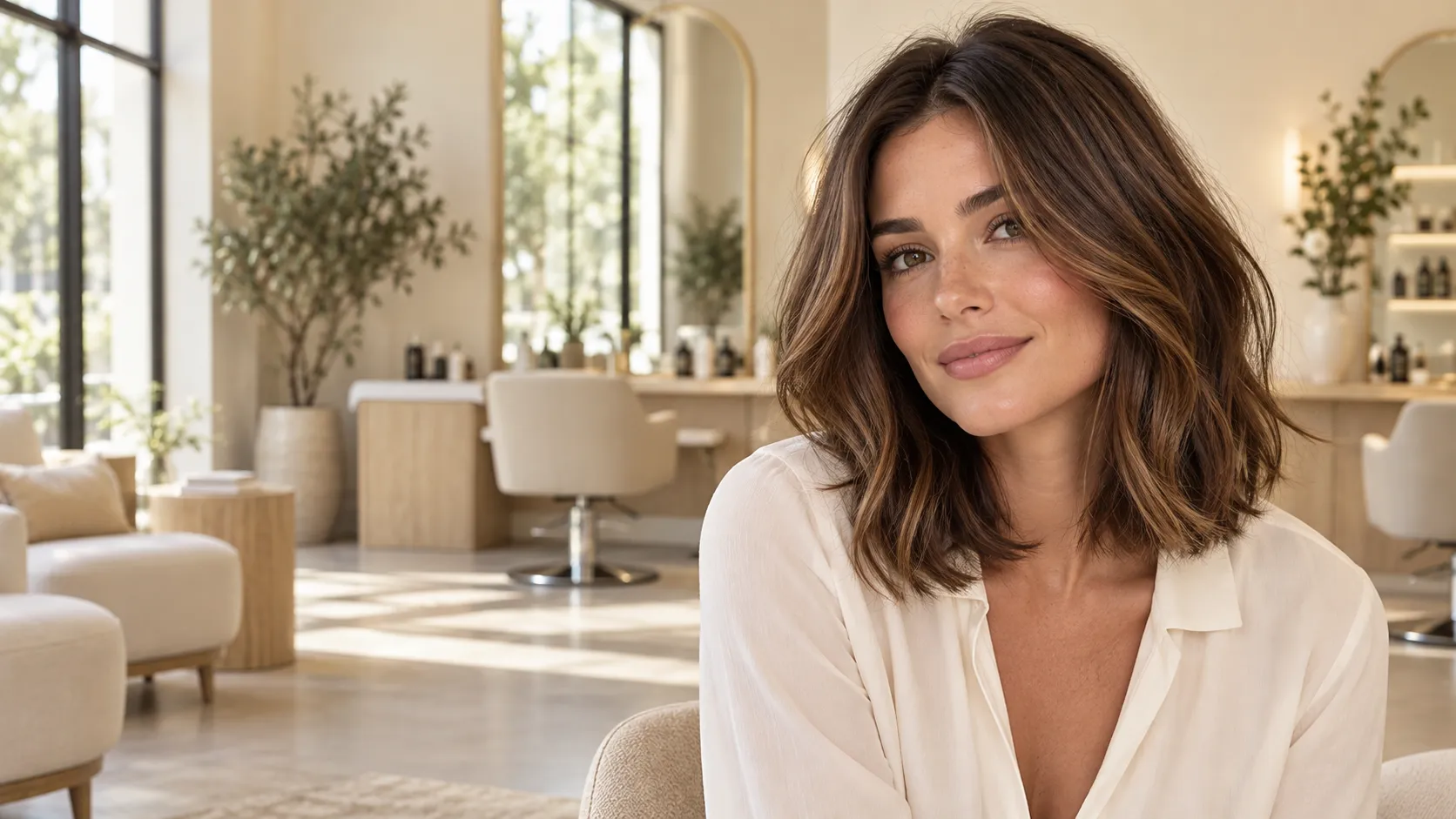
Some haircuts never lose their charm, and the long bob is proof. It offers the perfect balance of short-hair freshness and longer-length versatility.
If you’re searching for a style that feels modern, looks polished, and fits your everyday routine, these Lob Haircuts are full of inspiration. From glossy blunt cuts and soft face-framing layers to tousled waves and rich caramel highlights, there’s a long bob for almost every hair texture and personal style.
Choosing a new haircut can feel overwhelming when you want something flattering without hours of daily styling. The secret is finding a shape that works with your natural texture, preferred length, and maintenance routine. I’ve noticed that even small details, such as a different parting or softly curved ends, can change the entire look.
Explore these 22 ideas, save the styles that catch your eye, and discover which long bob could become your next favorite salon look.
1. Classic Collarbone Lob
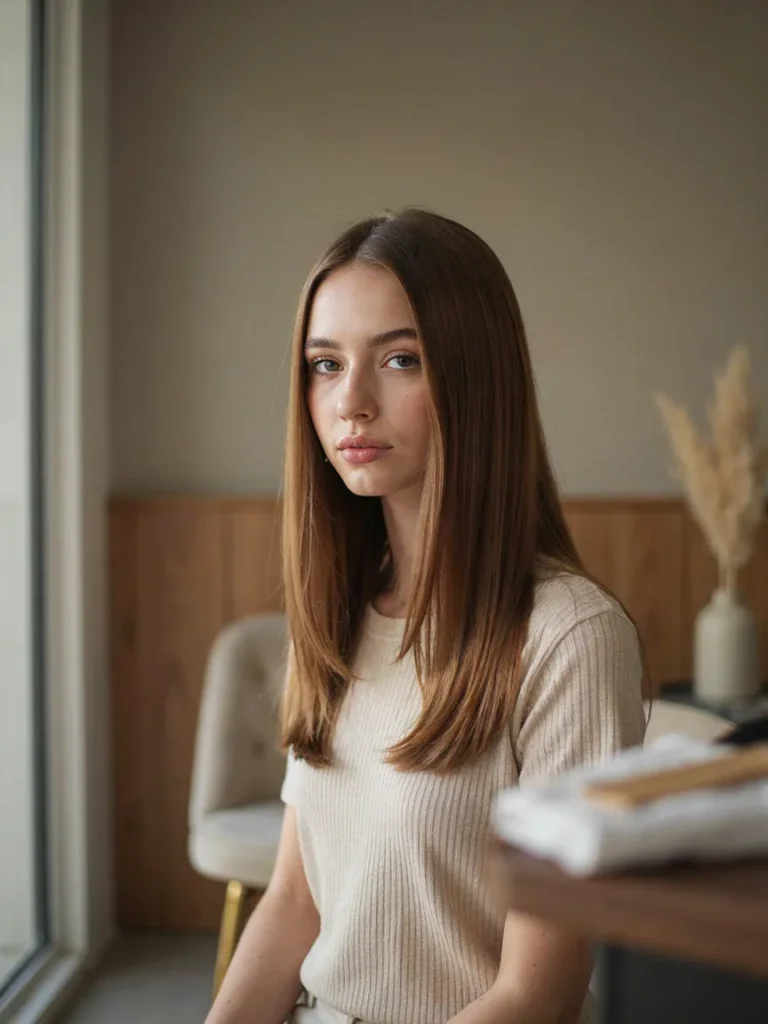
The classic collarbone cut proves that simple shapes can make a lasting impression. This timeless style falls between the chin and shoulders, creating a balanced silhouette that works beautifully with straight, wavy, or lightly layered hair. Its clean outline gives the ends a fuller appearance without making the haircut feel heavy.
For everyday styling, apply heat protectant before blow-drying with a round brush. Direct the airflow downward to smooth the surface, then gently curve the ends inward. I’ve noticed that this small finishing detail helps a traditional long bob look polished without requiring complicated styling or a lengthy morning routine.
2. Soft Face-Framing Layers

Soft layers around the face bring movement to a long bob without sacrificing its overall length. The shortest pieces can begin around the cheekbones or jawline, depending on your preferred look and how you usually style your hair. Longer sections blend into the rest of the cut for a gentle, flowing outline.
- For round faces: Consider longer front pieces that fall below the chin.
- For square faces: Ask for softly curved layers around the jaw.
- For fine hair: Keep the layers subtle to preserve fullness at the ends.
- For thick hair: Request carefully placed internal layers to reduce bulk.
- For styling: Use a medium round brush to direct the front sections away from your face.
The secret is keeping the layers connected rather than creating abrupt steps. Bring a reference photo to your stylist and discuss how the cut will sit when your hair is air-dried. That conversation helps you choose a shape that suits your natural texture and daily routine.
3. Glossy Glass Hair Lob
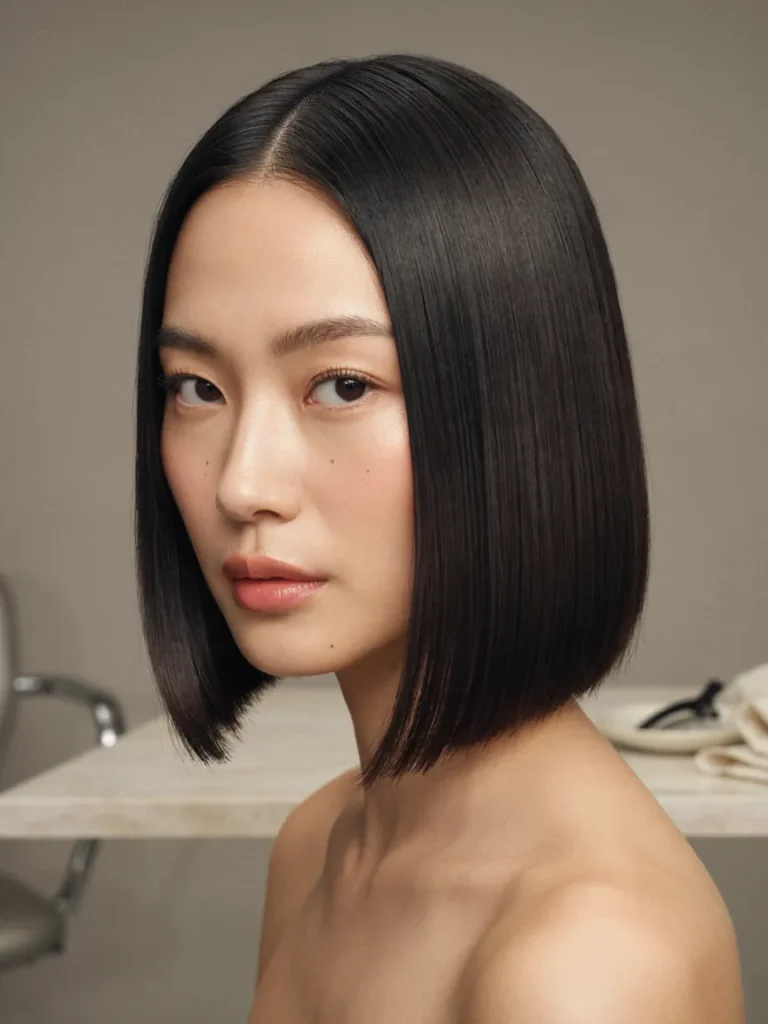
A mirror-like finish gives a blunt long bob its signature impact. The straight outline creates a crisp shape, while reflective shine makes every section look smooth and intentional. This style particularly suits naturally straight hair, although wavy textures can achieve a similar finish with careful blow-drying and suitable heat protection.
Start with a smoothing shampoo and conditioner suited to your hair type, then apply a lightweight heat protectant. Blow-dry in small sections using a paddle brush, keeping the nozzle pointed downward. If needed, finish with a flat iron at an appropriate temperature for your hair’s condition, followed by a tiny amount of shine serum.
The key is healthy-looking movement, not excessive product. Heavy oils can flatten fine strands, while repeated high heat may cause damage. For a lasting result, schedule trims when the ends begin losing their clean line, and choose a finish that feels manageable between salon visits.
4. Textured Beach Waves
BEFORE
Straight, flat lengths can sometimes make a long bob feel too uniform, especially when the hair naturally lacks movement. Heavy styling products may also leave the roots looking limp and the ends separated.
AFTER
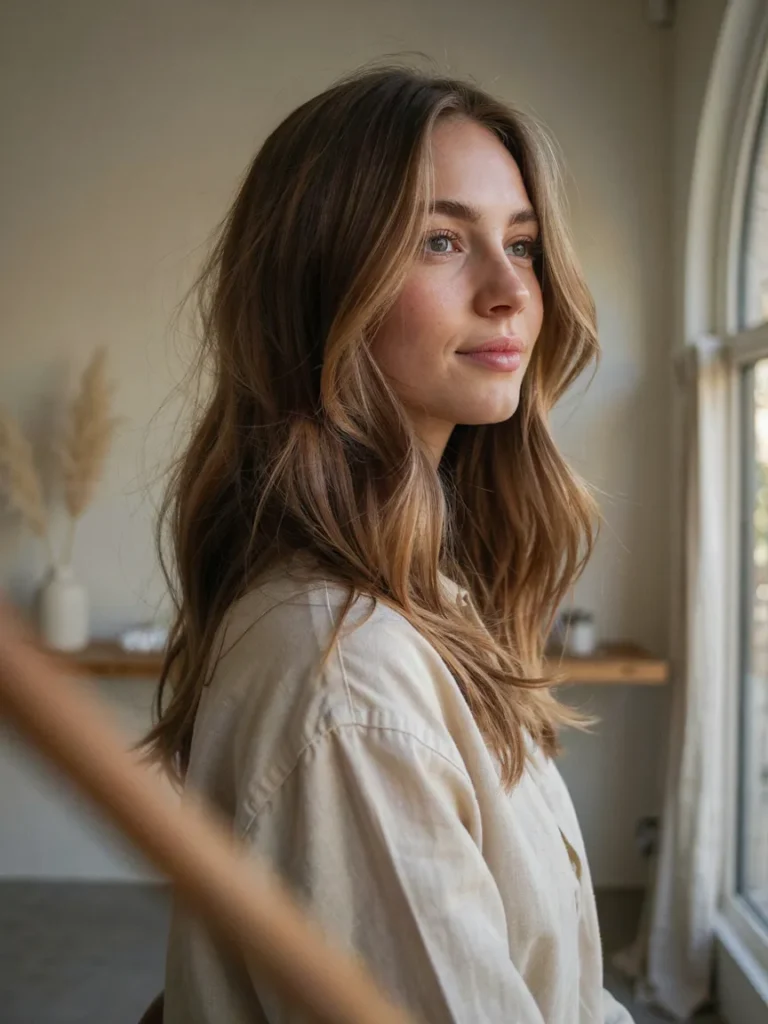
Loose beach waves create dimension throughout the cut, giving the hair a relaxed shape with visible texture. Alternating wave directions keeps the finish natural rather than overly uniform.
For this look, work a small amount of lightweight texturizing product through damp hair. Once dry, create loose bends with a curling wand, leaving the last inch of each section relatively straight. Finish with flexible-hold spray instead of a stiff hairspray. The result is a casual, airy lob that works for weekend outings, casual office days, and evening plans without looking overly styled.
5. Deep Side-Part Lob
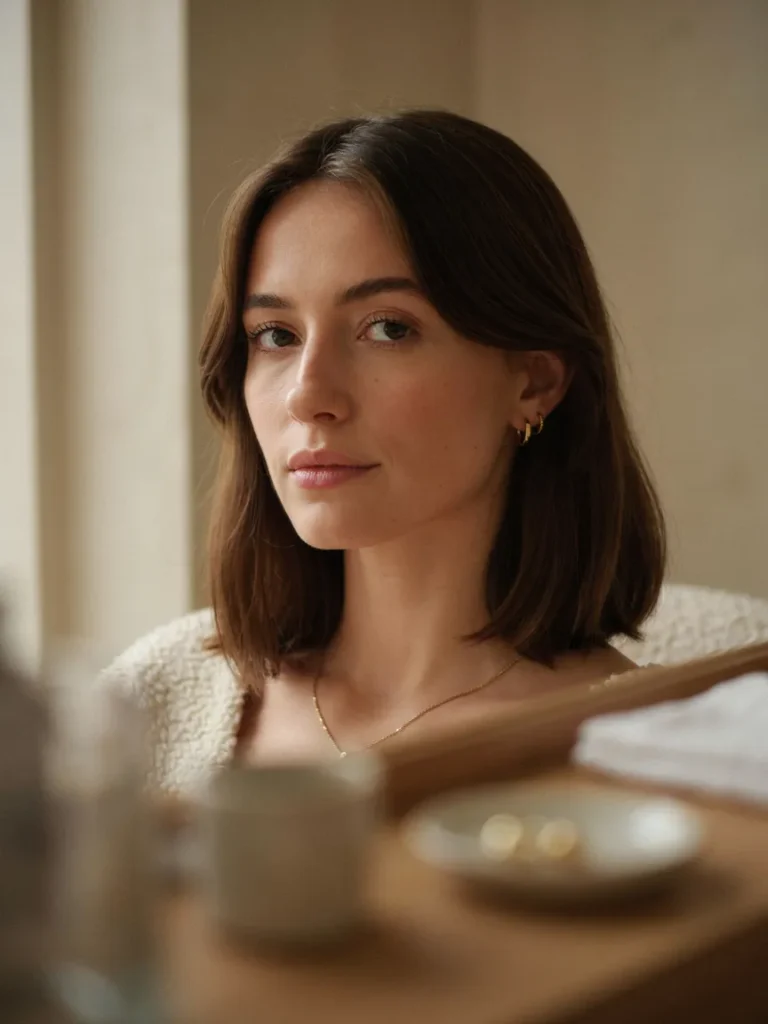
A deep side part changes the entire silhouette of a long bob without requiring a new haircut.
- Find your part: Create a deep side part while your hair is damp, following the natural direction of growth where possible.
- Build root lift: Apply lightweight volumizing mousse near the roots, concentrating on the heavier side.
- Blow-dry with direction: Lift the roots using a round brush, directing the hair across your forehead.
- Finish the ends: Smooth the lower sections with a paddle brush or add a gentle bend for movement.
This styling approach works particularly well for people who enjoy volume around the crown or prefer an asymmetrical finish. Ask your stylist to keep the underlying cut balanced so it still looks attractive when you switch your part. A little root lift is usually more flattering and wearable than excessive teasing.
6. Blunt Cut Versus Layered Lob
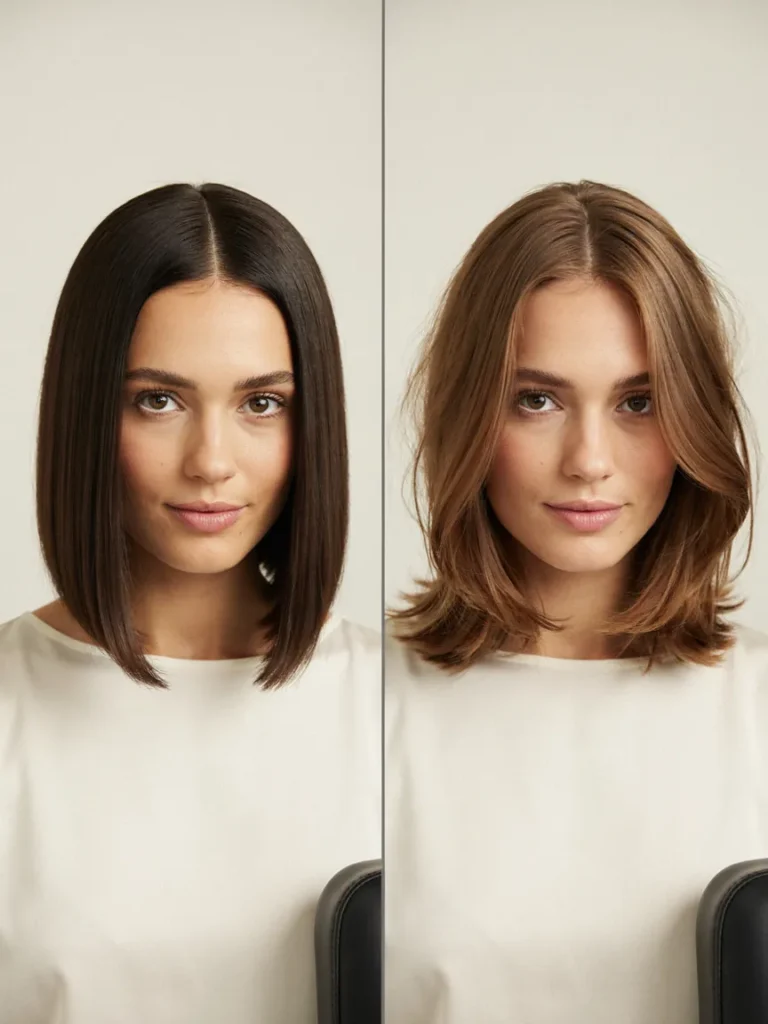
Choosing between a blunt cut and a layered lob comes down to the finish you want and how your hair behaves naturally.
| Feature | Blunt Lob | Layered Lob |
| Overall shape | Clean, solid outline | Soft, graduated movement |
| Fine hair | Can make ends appear fuller | Needs careful layering to retain fullness |
| Thick hair | May feel dense without internal shaping | Can reduce excess bulk |
| Styling | Sleek, polished finishes | Waves, texture, and airy movement |
| Maintenance | Regular trims preserve the sharp edge | Trims maintain the shape and layer balance |
Both styles can look modern and wearable. A blunt outline often suits someone who prefers a structured finish, while layers can help hair that feels bulky or difficult to shape. Bring photos of both cuts to your appointment, and ask your stylist how each option would work with your natural texture and preferred styling routine.
7. Wispy Curtain Bangs

DO
- Ask for curtain bangs that blend gradually into the front layers of your lob.
- Keep the shortest pieces long enough to sweep toward your temples comfortably.
- Blow-dry the fringe forward first, then guide each side away from the center.
- Use a small round brush to create a soft curve without excessive volume.
DON’T
- Request very short bangs without considering your natural hairline.
- Apply heavy oils directly to the fringe, where they can make strands look greasy.
- Overcurl the front pieces into tight, rounded shapes.
- Skip maintenance if you want the bangs to retain their original length and shape.
Wispy curtain bangs add a soft frame while keeping the rest of the haircut versatile. They work especially well with straight and wavy long bobs, creating movement around the eyes and cheekbones. For easier upkeep, ask your stylist to blend the fringe into longer side pieces so it remains attractive as it grows.
8. Angled Brunette Lob
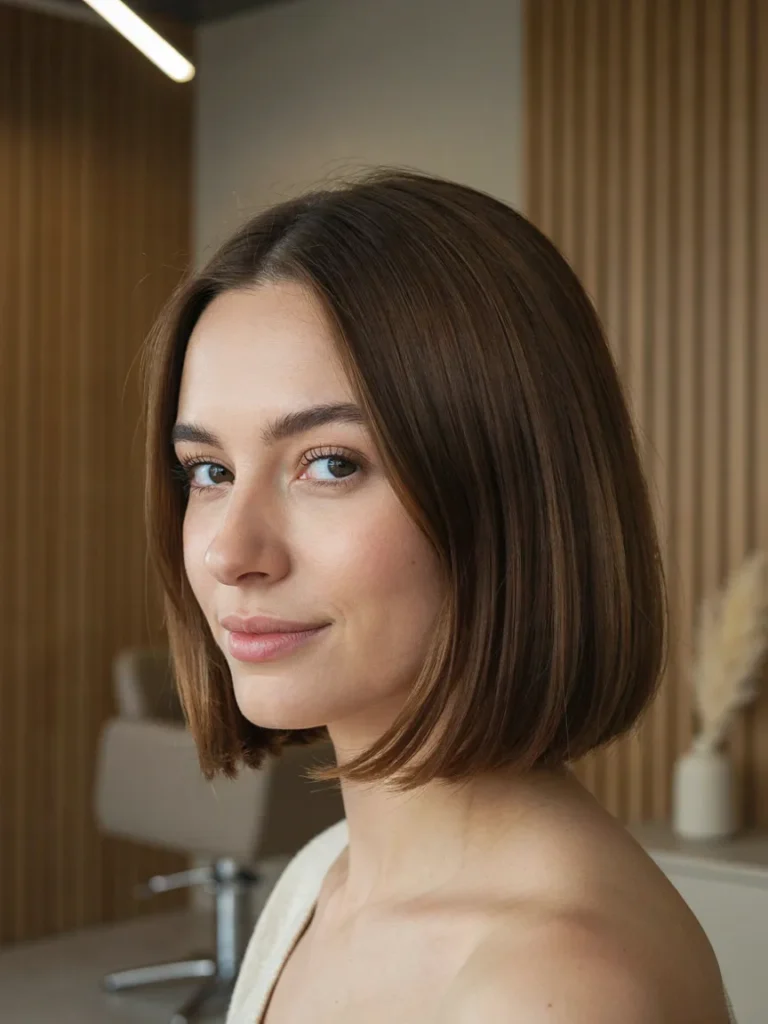
Length: Shorter at the back, longer toward the front.
Best For: Anyone who enjoys a defined silhouette with a little extra length around the face.
Styling Time: Approximately 10 to 20 minutes, depending on hair density and texture.
Finish: Sleek, structured, and polished.
An angled cut adds architectural detail without relying on complicated layers or dramatic color. The longer front sections draw attention to the outline of the face, while the shorter back can make the overall shape feel lighter. Ask your stylist to choose a gradual angle that complements your hair thickness and neckline.
For daily styling, blow-dry the back first, then smooth the longer front sections forward with a round brush. A small amount of lightweight smoothing cream can control flyaways without weighing down the ends. If your hair is naturally curly, discuss how much shrinkage to expect before deciding on the final angle.
9. Tousled Shaggy Lob
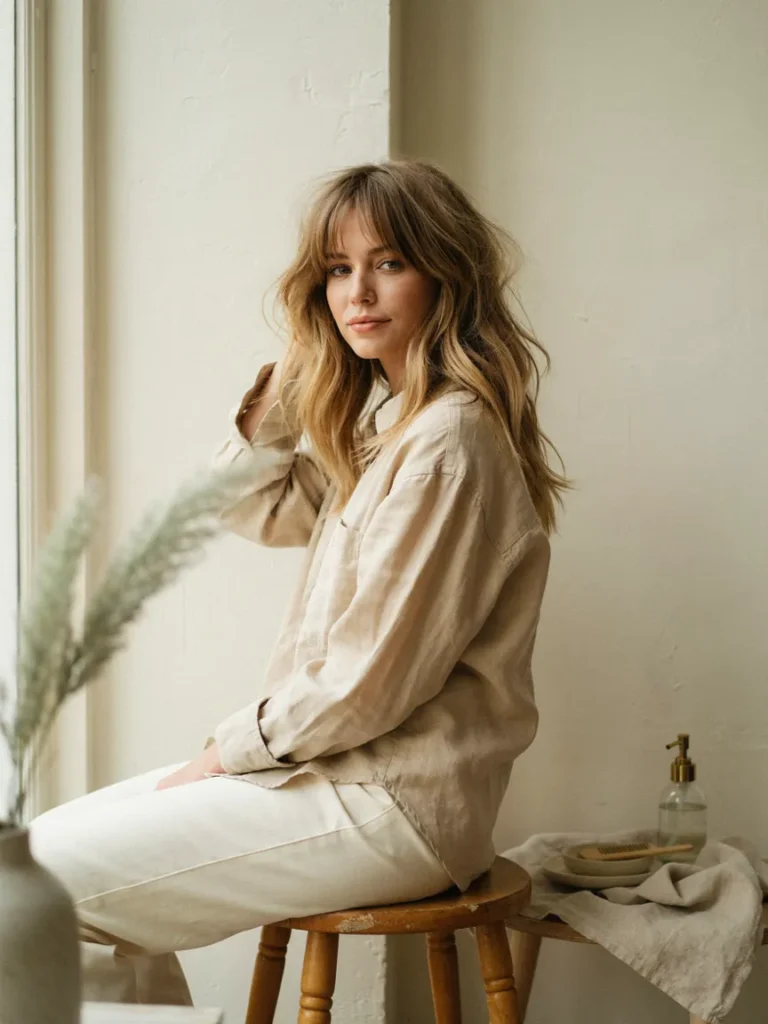
A little controlled messiness gives a shaggy long bob its distinctive personality. Instead of a perfectly smooth outline, this cut uses choppy layers and varied lengths to create movement through the crown and ends. The result feels relaxed and textured, making it appealing for people who prefer a less polished finish.
For the easiest styling routine, apply a lightweight mousse or texturizing cream to damp hair. Scrunch gently while air-drying, or use a diffuser on low heat if your natural texture benefits from extra definition. Once dry, separate a few pieces with your fingertips rather than brushing everything into a uniform shape.
The most important detail is strategic layering. Too many short layers can make thick hair difficult to control, while fine hair may lose the appearance of fullness. Ask your stylist to adjust the amount of texture to your hair density, natural wave pattern, and preferred level of maintenance.
10. Caramel Highlighted Lob
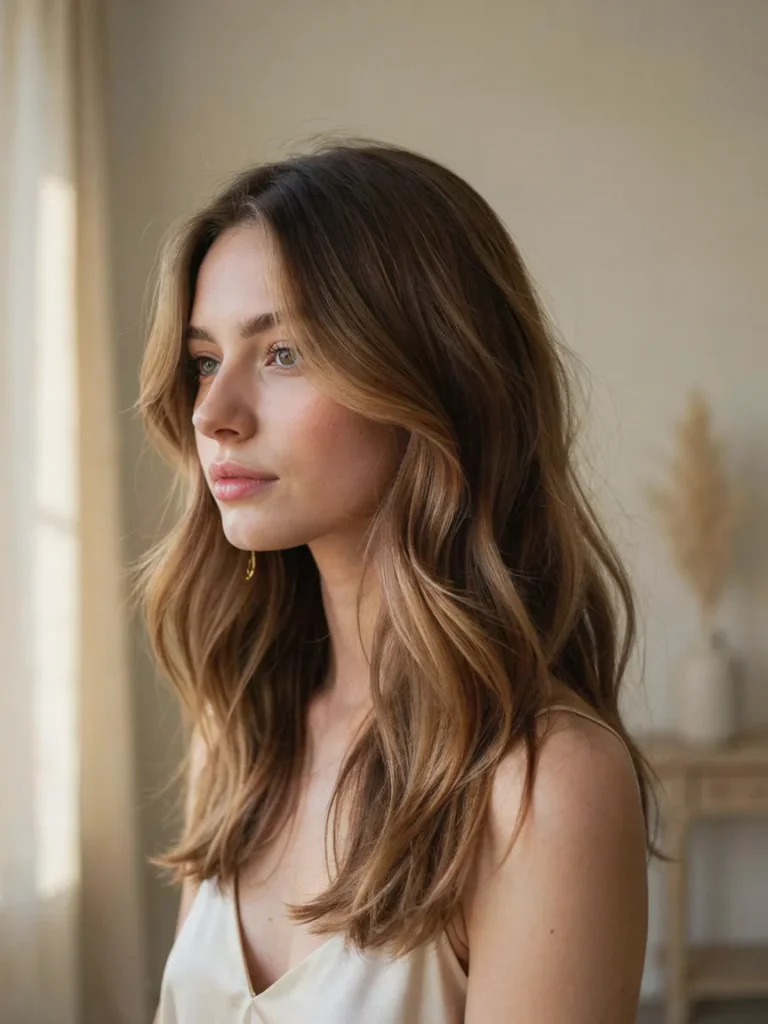
- Choose a base color: Start with chocolate brown, espresso, or medium brunette that complements your natural coloring.
- Place highlights strategically: Request fine caramel ribbons around the face and through the mid-lengths.
- Keep the blend soft: Ask for a gradual transition between the darker roots and lighter ends.
- Protect the color: Use color-safe shampoo and conditioner, and limit unnecessary heat styling.
- Refresh selectively: Discuss gloss treatments or occasional highlight touch-ups with your colorist.
Caramel highlights give a long bob extra depth without requiring a dramatic change in overall color. The lighter pieces catch the light as the hair moves, helping waves and layers stand out. For a natural finish, keep the brightest sections near the face and blend the remaining highlights through the lengths.
11. Soft C-Curve Ends
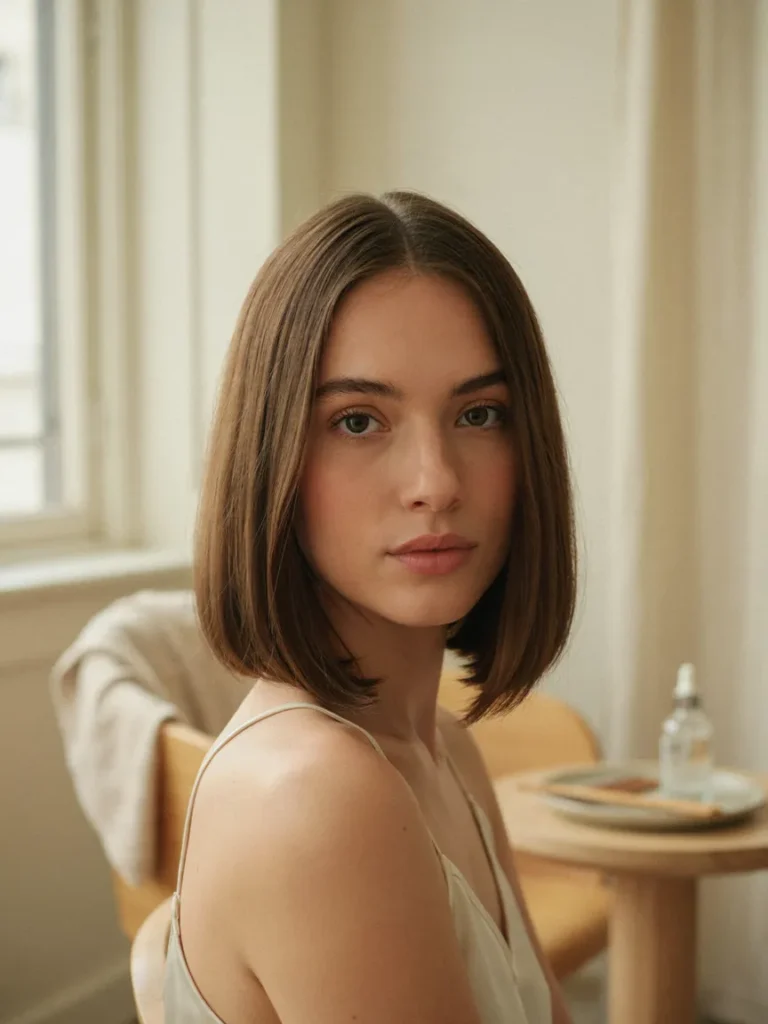
Quick Tip:
Ask your stylist or use a round brush to create a gentle inward curve at the ends rather than a tight curl. Keep the roots relatively smooth and direct the airflow downward for a polished finish. A lightweight heat protectant helps prepare the hair for blow-drying.
The C-curve finish gives a simple long bob a soft, rounded outline that looks neat without feeling stiff. It works particularly well on straight hair and lightly layered cuts, where the ends can follow the jawline and shoulders naturally. For a longer-lasting result, allow each section to cool in its curved position before brushing through it.
12. Wavy Lob With Side Fringe
BEFORE
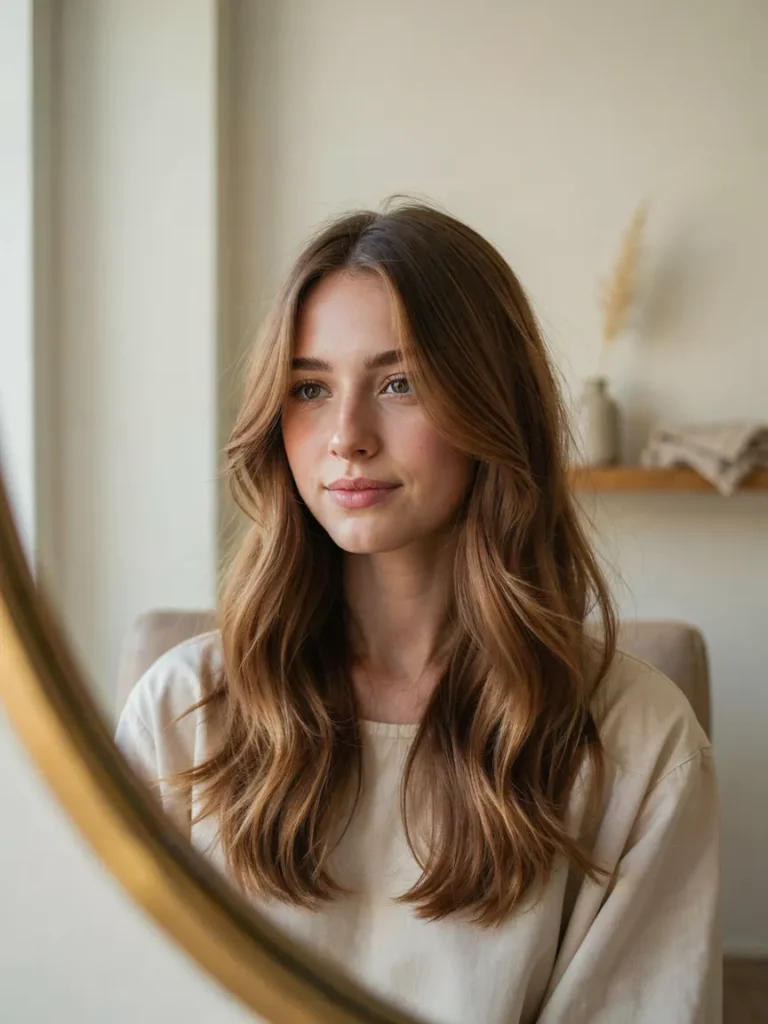
A uniform lob can feel a little flat when the hair lacks natural movement or the front sections fall in the same direction. A heavy fringe may also feel disconnected from the rest of the cut.
AFTER
A sweeping side fringe introduces an asymmetrical detail, while loose waves add texture through the lengths. The combination creates a softer outline with movement around the forehead and cheekbones.
To style the look, apply a lightweight mousse to damp hair and create a deep side part. Blow-dry the fringe in the direction you want it to fall, then use a curling wand or diffuser to define the waves. Keep the curls loose and alternate their direction for a natural finish. If you have a strong natural parting, ask your stylist to shape the fringe around it rather than forcing an uncomfortable placement.
13. Sleek Center-Part Lob
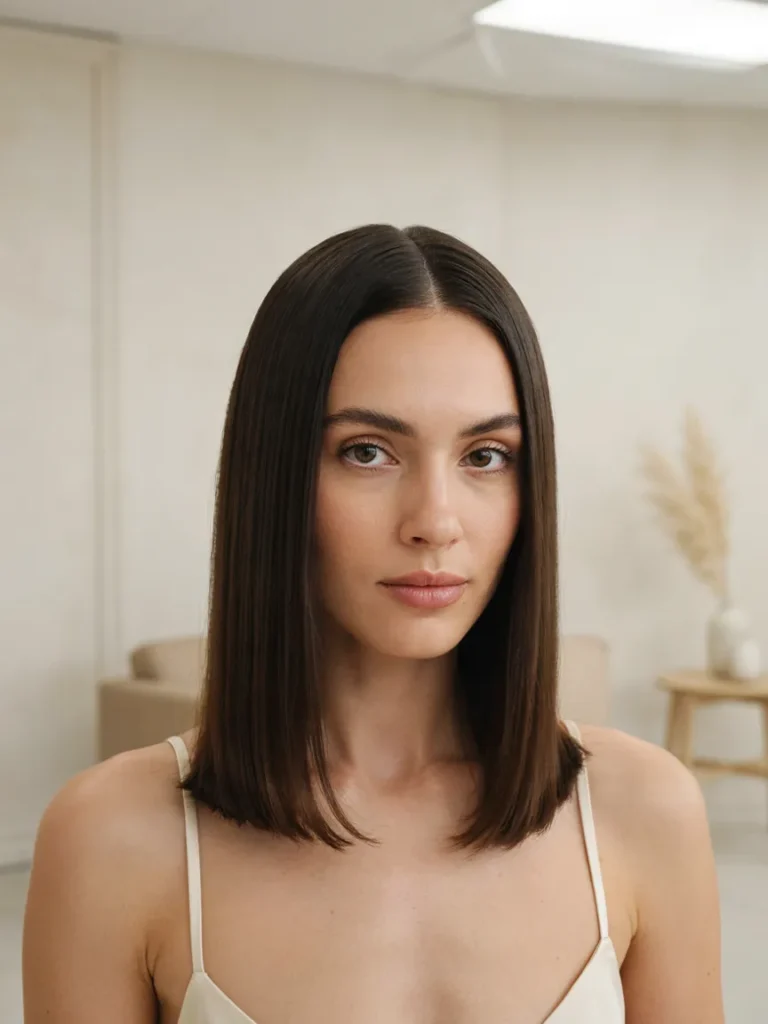
- Create a clean part: Use a fine-tooth comb to divide damp hair evenly down the center.
- Apply heat protection: Distribute a lightweight heat protectant through the mid-lengths and ends.
- Blow-dry in sections: Use a paddle brush to smooth the hair while directing airflow downward.
- Refine the finish: Straighten only the sections that need extra smoothing, using a suitable temperature.
- Control flyaways: Finish with a small amount of lightweight serum, avoiding the roots.
A center part highlights the symmetry of a long bob and gives the haircut a clean, modern outline. It is especially effective with blunt ends, although lightly layered versions can look equally polished. If your hair naturally falls to one side, train the part gradually while drying rather than forcing it into place with excessive product.
14. Blunt Lob Versus Feathered Ends
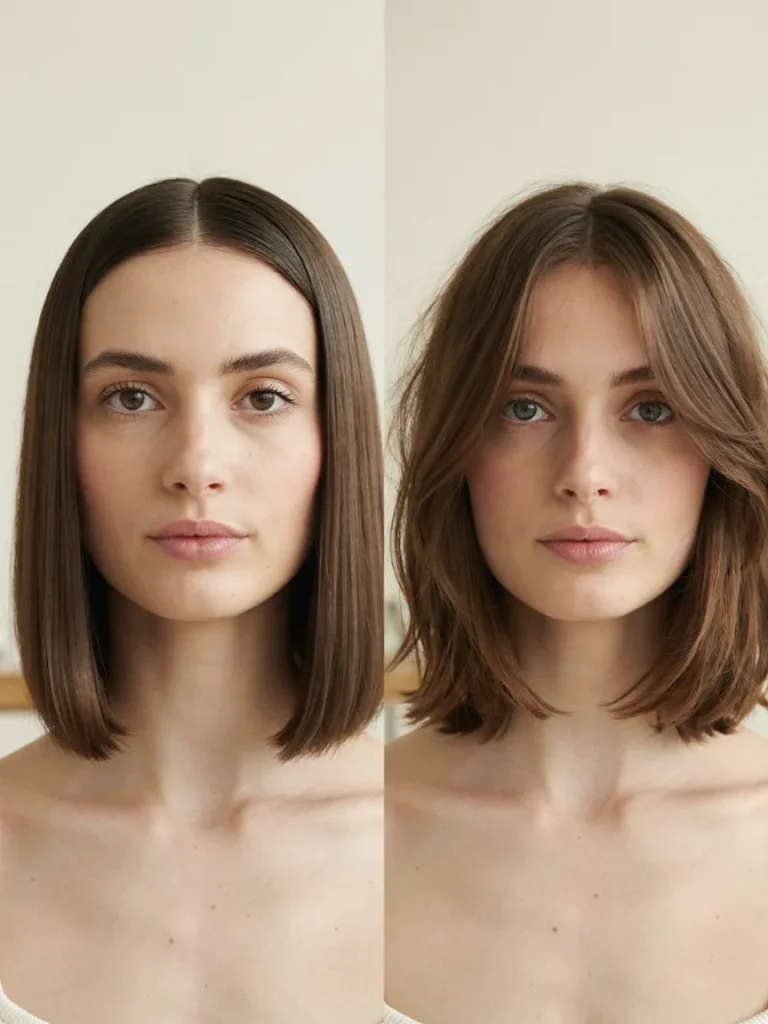
The right finish can change how your entire long bob looks and feels.
| Feature | Blunt Ends | Feathered Ends |
| Outline | Sharp and defined | Soft and wispy |
| Visual fullness | Often makes ends appear denser | Creates a lighter appearance |
| Hair texture | Works well with straight styles | Adds movement to layered styles |
| Styling preference | Smooth blowouts and sleek finishes | Airy waves and textured finishes |
| Salon request | Ask for a clean, solid perimeter | Ask for softly tapered ends |
Neither finish is universally better. Blunt ends are worth considering if you like a strong outline, while feathered ends suit people who prefer a softer, less structured shape. Explain your everyday styling habits to your stylist before choosing. The best result is a cut that holds its shape without requiring more work than you enjoy.
15. Voluminous Root-Lift Lob
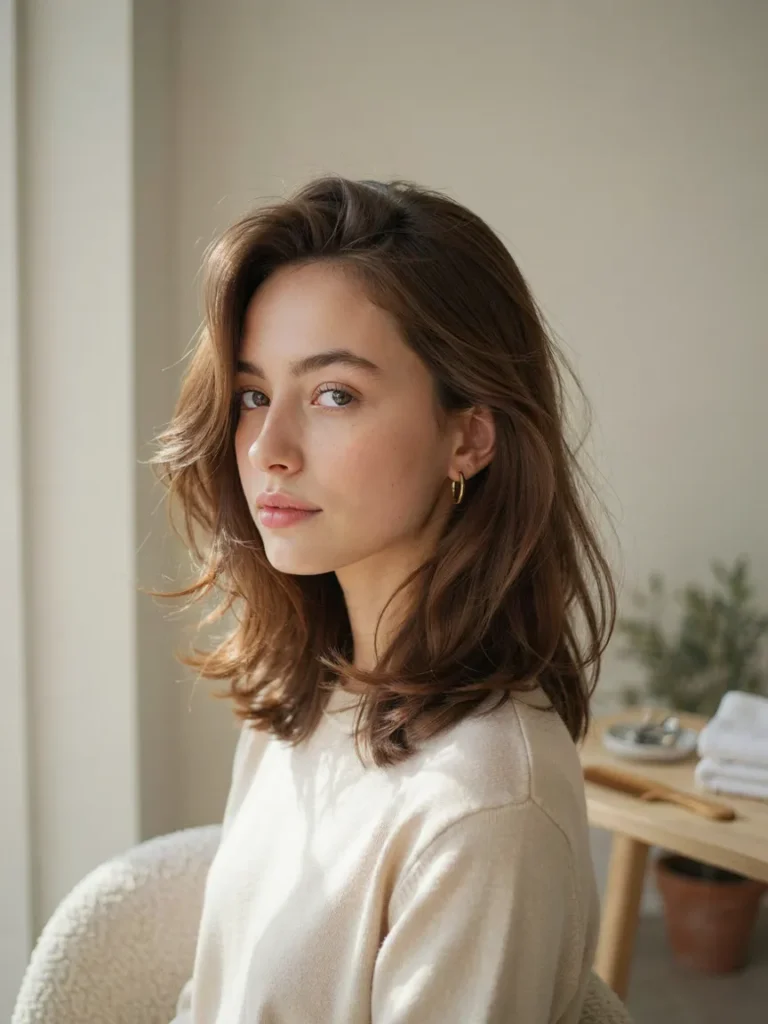
DO
- Apply volumizing mousse to damp roots before blow-drying.
- Lift small sections vertically with a round brush to encourage root volume.
- Direct warm airflow toward the roots, then let each section cool before releasing it.
- Choose lightweight styling products that support movement without leaving residue.
DON’T
- Apply thick oils or heavy creams close to the scalp.
- Overload the roots with several volumizing products at once.
- Brush out the entire style immediately while the hair is still warm.
- Use excessive teasing that leaves the crown tangled or difficult to manage.
Root lift can make a long bob look fuller while preserving its natural length and shape. The technique is especially useful for straight or fine hair that tends to sit close to the scalp. Concentrate the volume at the crown and keep the ends controlled for a balanced finish that lasts beyond the first hour.
16. Copper Red Lob
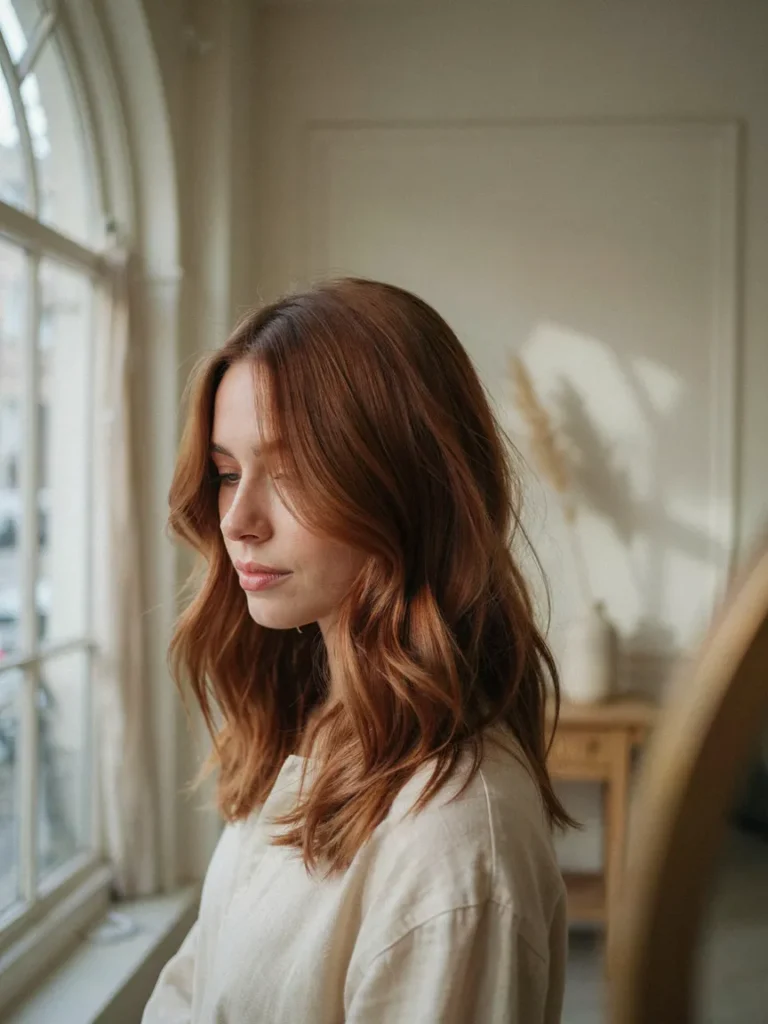
Color: Copper, auburn, or warm ginger tones.
Best For: Anyone looking to add noticeable color while keeping a versatile haircut.
Maintenance: Color-safe haircare and regular consultations with your colorist.
Styling: Loose waves, smooth blowouts, or softly curved ends.
Copper shades bring warmth and dimension to a long bob, especially when the color includes subtle variations rather than one flat tone. The shoulder-grazing length gives the red hues plenty of room to catch the light, while soft waves reveal different shades throughout the hair.
Ask your colorist to help select a copper tone that complements your natural coloring and starting hair shade. Red pigments can fade with frequent washing and heat exposure, so use suitable color-protecting products and wash with lukewarm water. A gloss treatment may also help refresh the finish between major color appointments.
17. Airy Layered Lob
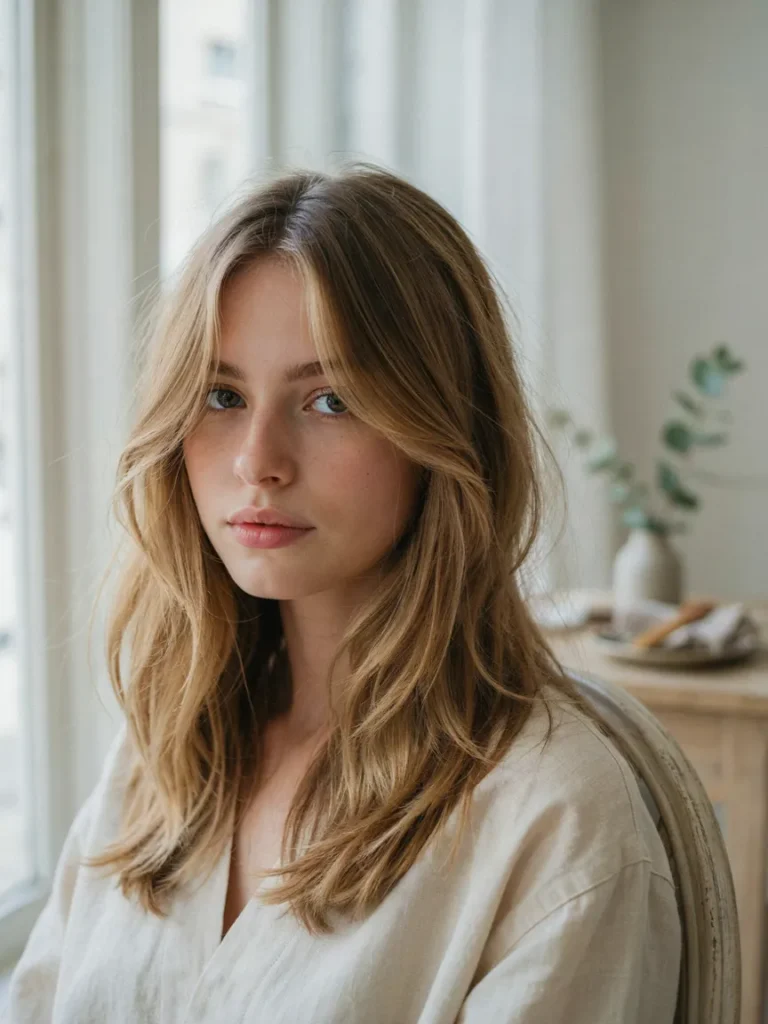
Light, carefully placed layers give a long bob movement without making the silhouette feel overly choppy. The technique works particularly well for hair that looks heavy at the sides or tends to fall into a single shape. Layers around the front can also help the haircut follow the natural contours of the face.
For a soft finish, apply a small amount of lightweight styling cream to damp hair and blow-dry with a medium round brush. Lift the roots gently, then turn the brush through the mid-lengths to encourage movement. If your hair is fine, ask for minimal layering near the ends so the overall outline retains its fullness.
In my experience, the most wearable layered cuts are the ones that still look good without elaborate styling. Ask your stylist to assess your hair both wet and dry, particularly if you have waves or curls. This helps prevent layers from sitting shorter than expected once your natural texture returns.
18. Long Bob With Flipped Ends

A subtle outward flick gives a classic long bob a playful finish without changing the underlying haircut. The ends turn away from the neck, creating movement that works particularly well with blunt or lightly layered lengths. The effect can feel polished with a smooth blowout or more relaxed when paired with natural texture.
To create the shape, apply heat protectant and blow-dry the hair until nearly dry. Use a round brush to direct the last inch of each section outward, or use a flat iron with a gentle wrist movement. Keep the bend soft rather than forming a tight curl. Finish with flexible-hold spray so the ends retain movement instead of becoming stiff.
This style is especially useful when you want a fresh-looking finish without committing to bangs, dramatic layers, or a major color change. For fine hair, a light styling spray can help the flick hold. Thicker hair may need smaller sections and a little extra drying time to create a consistent curve.
19. Soft Balayage Lob
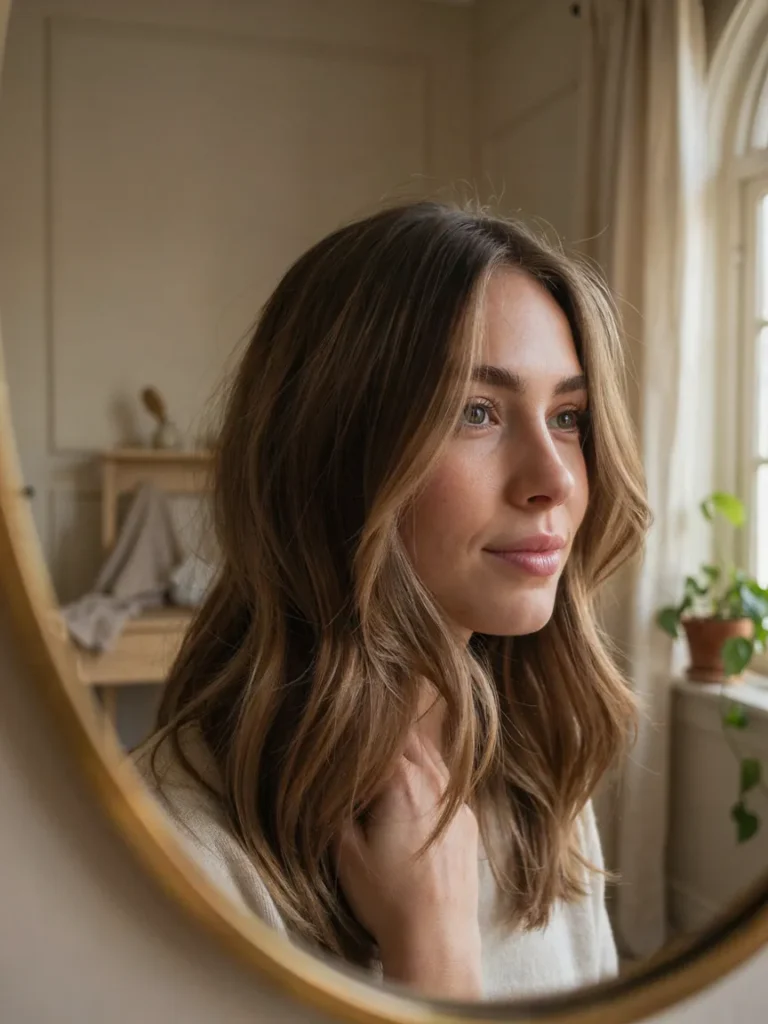
- Keep the roots natural: A deeper root shade creates a gradual transition into lighter lengths.
- Choose blended highlights: Fine caramel or honey pieces add dimension without creating harsh stripes.
- Preserve the haircut shape: Ask for highlights that emphasize the movement of your layers and ends.
- Plan color maintenance: Discuss gloss treatments and root blending with your colorist.
Balayage gives a long bob depth without making the color look overly uniform. The lighter sections catch the light as the hair moves, helping subtle waves and face-framing pieces stand out. For a low-maintenance finish, ask for a soft blend near the roots rather than a sharply defined line of regrowth.
20. Asymmetrical Long Bob
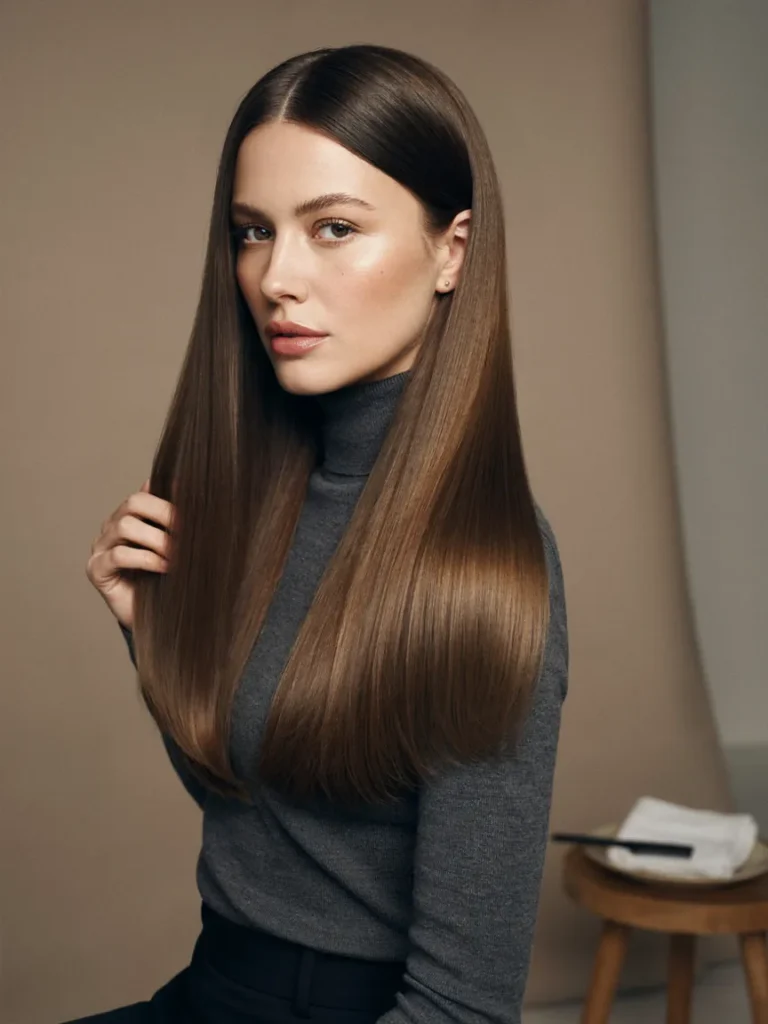
A slightly uneven silhouette brings a modern edge to the traditional long bob. One side sits longer than the other, creating a clear diagonal line that adds visual interest without requiring elaborate layers. The difference can be subtle for everyday wear or more pronounced for a bolder, fashion-inspired finish.
For a polished result, ask your stylist to establish the angle based on your natural part and hair density. Blow-dry each side smoothly, directing the longer section forward to emphasize the shape. A flat iron can refine the outline if needed, but keep the ends looking natural rather than excessively stiff.
This cut is especially appealing if you enjoy defined shapes and do not mind paying attention to the balance of both sides during styling. Before committing, discuss how the haircut will look when tucked behind your ears or tied back. Those practical details help ensure the asymmetry remains wearable beyond the salon.
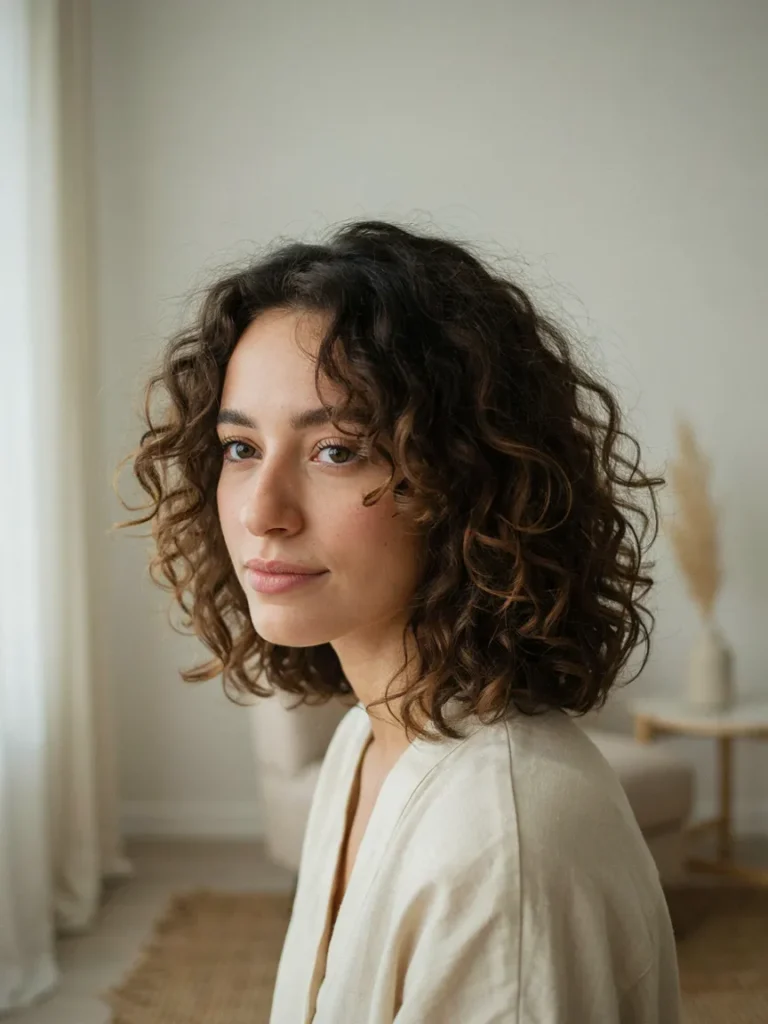
21. Curly Collarbone Lob
BEFORE
A one-length cut can sometimes leave curly hair looking triangular, with excess volume near the ends and less definition around the crown. Cutting curls without considering their natural shrinkage may also produce an unexpectedly short result.
AFTER
A carefully shaped curly lob distributes volume more evenly and allows individual curls to form a defined outline. Face-framing pieces can add movement while preserving enough length to keep the style versatile.
Ask your stylist to assess your curl pattern and discuss how much the hair typically shrinks as it dries. Use a moisturizing leave-in product or curl cream suited to your texture, then scrunch gently and air-dry or diffuse on low heat. Avoid brushing the curls when dry, as this can disrupt their definition. A well-shaped curly lob should work with your natural pattern rather than require you to fight it every morning.
22. Polished Everyday Lob

A polished everyday lob offers the best of both worlds: a tidy silhouette for work and enough movement for casual plans. The collarbone length stays versatile, while softly curved ends give the haircut a finished appearance without requiring elaborate styling. This shape works across many hair textures when tailored to individual needs.
For a reliable routine, apply heat protectant to damp hair and blow-dry in manageable sections. Use a paddle brush for a straighter finish or a round brush to create a gentle curve at the ends. Finish with a small amount of lightweight serum if needed, keeping the roots free of heavy products.
The beauty of this style lies in its adaptability. Wear it with a center part for a balanced finish, switch to a side part for extra movement, or add loose waves when you want more texture. Regular trims help maintain the outline, but your ideal schedule will depend on how quickly your hair grows and how precise you want the ends to look.
CONCLUSION
The right long bob can refresh your look while keeping your styling routine practical and flexible. From sleek, glass-like finishes to textured waves, soft layers, and dimensional color, these 22 ideas offer inspiration for different hair types and personal preferences.
My favorite approach is to choose a haircut that works with your natural texture rather than against it. Bring your preferred photos to your stylist and discuss the length, layers, and upkeep that suit your lifestyle.
Found a style you love? Save this post on Pinterest, try an idea that speaks to you, and share the article with a friend planning a fresh haircut. Your next signature look might be right here!


