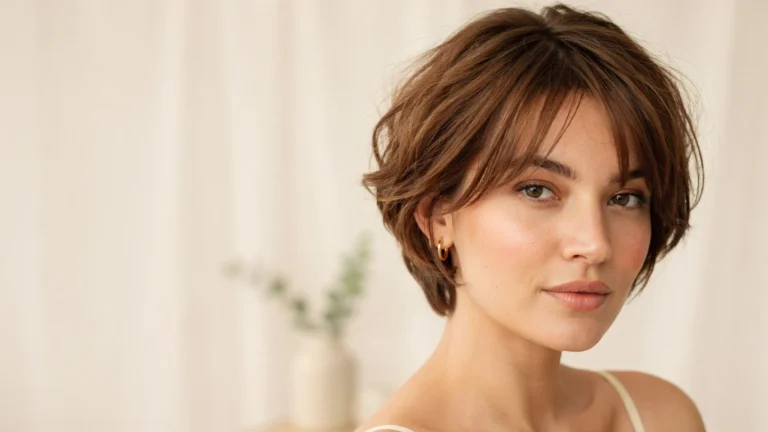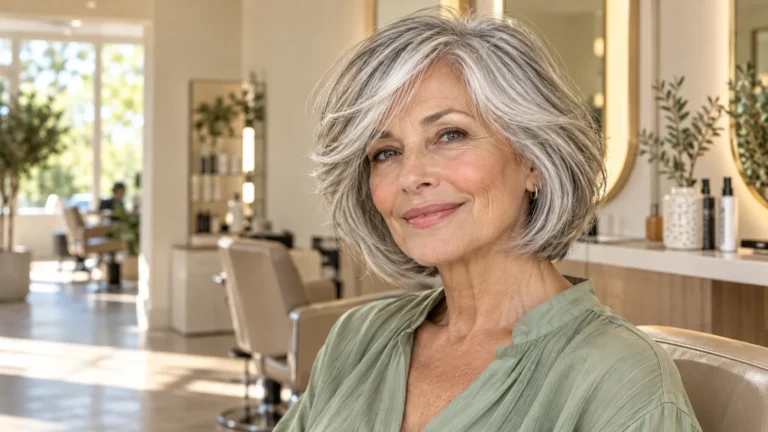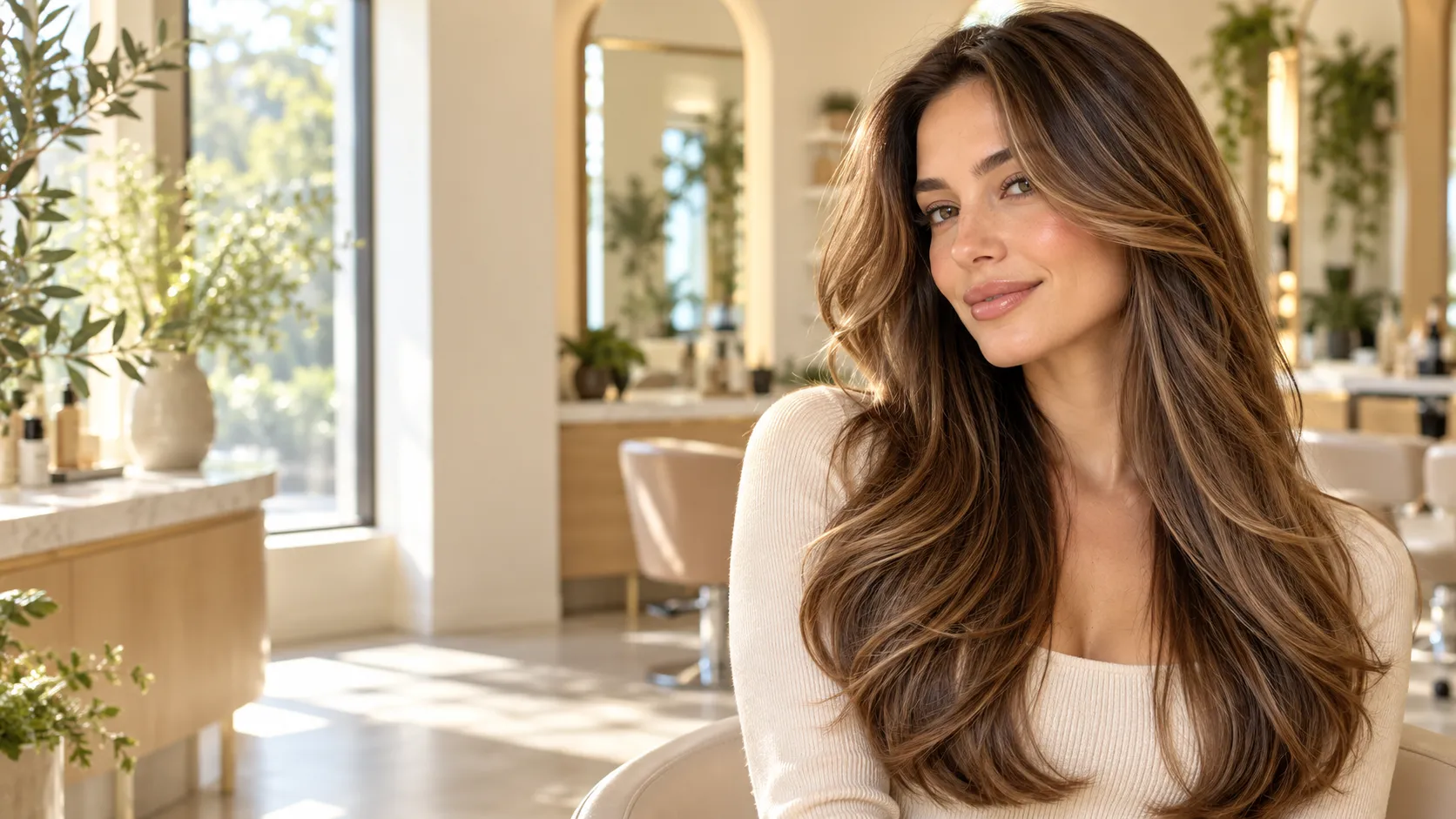
Ready for a fresh spring hairstyle without giving up your beautiful long hair? The right haircut can make dry, uneven ends look neater while bringing new life to your favorite length.
These Spring Long Haircuts offer 20 inspiring ideas for anyone who wants softer layers, healthier-looking ends, and a polished seasonal look. From flowing butterfly layers and face-framing cuts to sleek, blunt styles, there is something for different hair textures, thicknesses, and styling preferences.
If your ends look rough after months of heat styling, tangles, or everyday wear, a well-planned trim can help. In my experience, choosing a haircut that suits your natural hair texture makes everyday styling much easier. You will also discover practical ways to maintain your new look and reduce future damage. Explore these ideas, save your favorites on Pinterest, and take inspiration to your next salon appointment.
1. Soft U-Shaped Layers

Long hair can look instantly fresher when the ends follow a soft, rounded shape instead of forming a blunt, uneven line. U-shaped layers create a gentle curve across the back, helping the hair appear fuller while allowing damaged-looking tips to blend into the overall silhouette.
Ask your stylist to trim away split ends before shaping the layers. Keep the shortest layers long enough to preserve your preferred length, especially if your hair is fine. This cut works beautifully with loose waves, smooth blowouts, or natural texture, making it a versatile choice for spring.
2. Face-Framing Feathered Layers

Feathered layers bring movement to long hair without making the entire cut look heavily layered. The light, tapered pieces around the face create a soft frame, while carefully trimmed ends help remove the rough appearance that often makes hair look neglected.
- Best length: Long hair reaching below the shoulders.
- Face-framing detail: Start around the cheekbones or chin, depending on your preference.
- Styling option: Use a round brush to curve the front sections away from your face.
- Maintenance: Schedule trims based on visible damage and your hair’s growth.
- Best texture: Straight, wavy, or lightly textured hair.
For spring, pair these layers with a soft side part and a lightweight smoothing serum. Ask your stylist to avoid excessive thinning at the ends, since removing too much density can make fine hair appear wispy rather than healthy.
3. Long Butterfly Layers

Quick Tip: Butterfly layers create the appearance of shorter, bouncy pieces around the face while preserving much of your long length. Ask your stylist to remove damaged ends first, then create blended layers that suit your natural density.
The secret is balancing volume near the crown and cheekbones with healthy-looking ends below. In my experience, this shape is especially appealing for people who enjoy a salon-style blowout but still want enough length for ponytails and braids. Use a heat protectant before curling, and avoid excessive heat on freshly trimmed ends.
4. Long Curtain Bang Layers

BEFORE: Long hair hangs heavily around the face, while uneven, frayed tips make the overall style appear tired. The front sections lack movement, and the length feels difficult to style.
AFTER: Curtain bangs open around the face, blending into long layers that create movement and a softer outline. Freshly trimmed ends give the hairstyle a more polished finish without sacrificing much length.
Keep the bangs long enough to sweep toward your cheekbones, and ask your stylist to blend them gradually into the sides. This shape works particularly well with loose waves and smooth blowouts. Remember that split ends need trimming rather than styling products, so remove damaged tips before creating your new spring look.
5. Long Invisible Layers
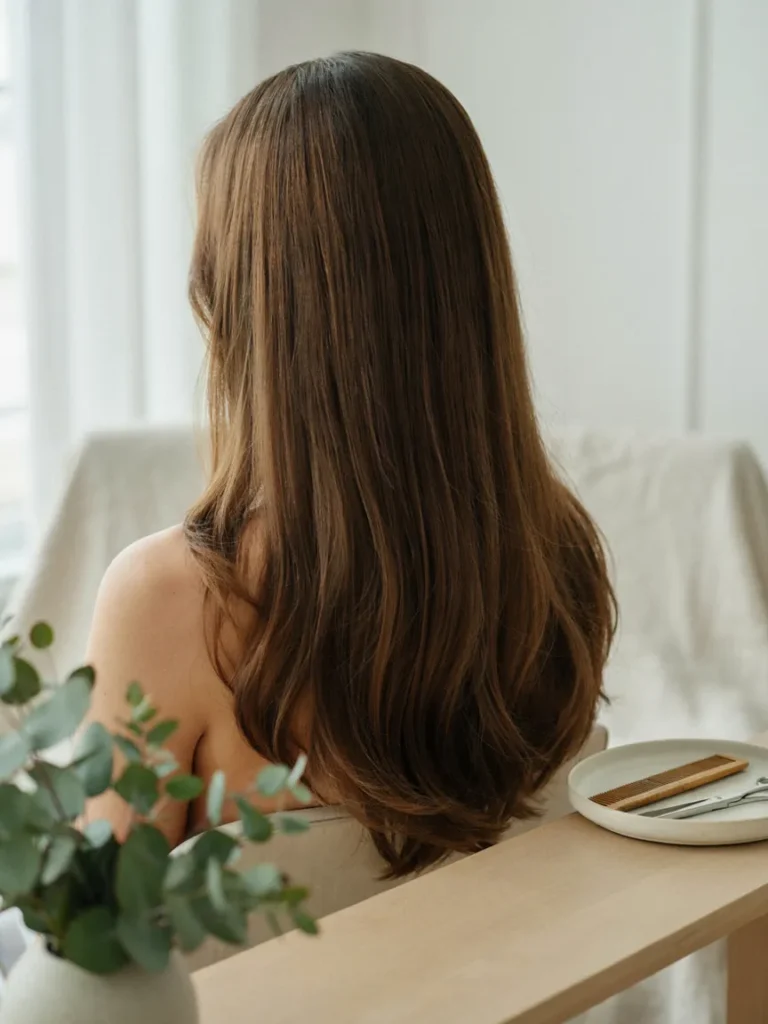
- Start with a trim. Ask your stylist to remove visible split ends before shaping the haircut.
- Request invisible layers. These internal layers add movement without creating obvious steps along the outer length.
- Preserve the perimeter. Keep the bottom edge looking full, particularly if your hair is fine.
- Style gently. Use a wide-tooth comb on damp hair and apply heat protectant before blow-drying.
Invisible layers are especially useful for people who love long hair but dislike the choppy appearance of traditional layering. The subtle internal shaping helps thick hair move more naturally while maintaining a smooth outline. For spring, wear it straight with a center part or add loose bends through the mid-lengths for understated texture.
6. Long Layers Versus Blunt Ends
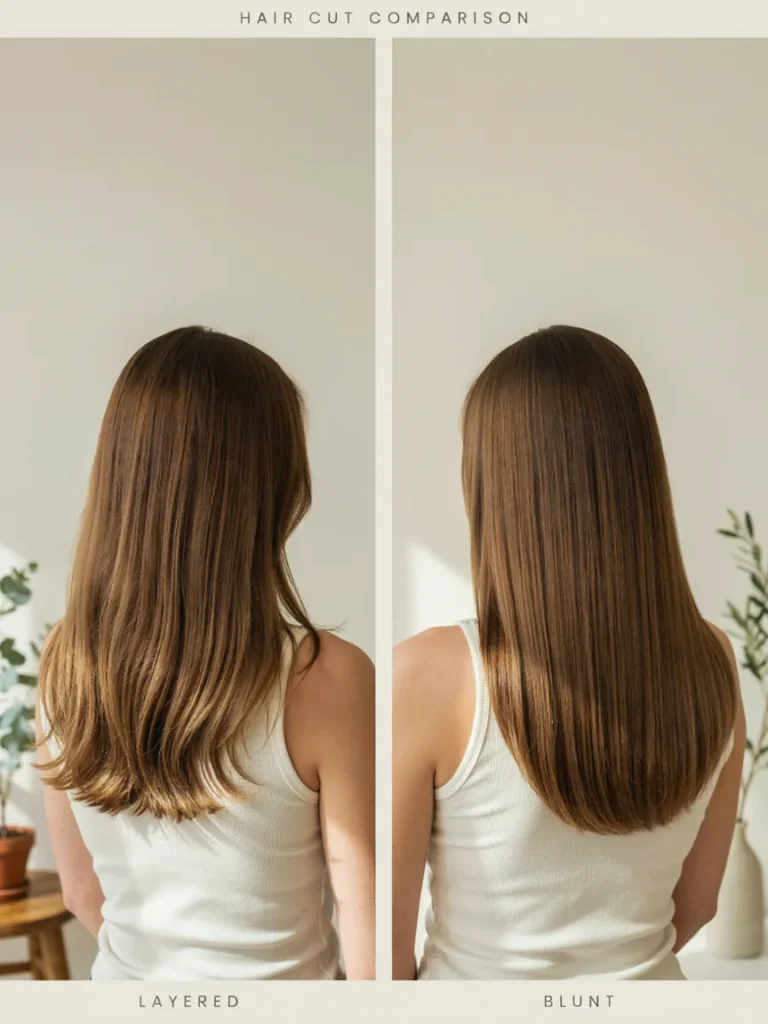
| Feature | Long Layers | Blunt Ends |
| Overall shape | Soft, flowing movement | Clean, defined outline |
| Fine hair | Gentle layers can add movement | Often creates a fuller-looking perimeter |
| Thick hair | Reduces bulk when carefully shaped | Preserves density at the bottom |
| Styling | Works well with waves and blowouts | Suits sleek, straight finishes |
| Split-end care | Requires trimming damaged tips | Also requires trimming damaged tips |
Choosing between these cuts depends on your hair’s natural density and preferred styling routine. Long layers help create movement, while blunt ends can make fine hair appear more substantial. Neither cut permanently prevents split ends, so regular trims and gentle handling remain essential for keeping your spring hairstyle looking fresh.
7. Long V-Shaped Layers

DO:
- Ask your stylist to trim damaged tips before creating the V-shaped outline.
- Keep the layers blended so the hair flows naturally toward the center.
- Choose a moderate V shape if you want to retain fullness at the ends.
- Style with loose waves to emphasize the cascading layers.
DON’T:
- Request an extremely sharp V if your ends already look thin.
- Remove too much length while shaping the perimeter.
- Use high heat repeatedly without protection.
- Expect the haircut alone to prevent future splitting.
The V-shaped cut creates a cascading silhouette that looks especially striking on long, thick hair. Its angled perimeter adds definition from the back, while blended layers keep the overall shape fluid. For spring, pair it with soft waves and a lightweight leave-in conditioner to help reduce friction and keep freshly trimmed ends manageable.
8. Long Textured Layers

Best For: Straight, wavy, or naturally textured long hair.
Styling Time: Approximately 10 to 25 minutes, depending on hair density and technique.
Maintenance: Trim when split ends or uneven tips become noticeable.
Finish: Soft movement with a natural, airy appearance.
Textured layers give long hair a relaxed finish without requiring perfectly polished styling. Ask your stylist to create movement through the mid-lengths while keeping enough density at the bottom for a healthy-looking outline. A small amount of lightweight styling cream can define natural waves, while air-drying helps limit unnecessary heat exposure during warmer spring days.
9. Long Rounded Layers
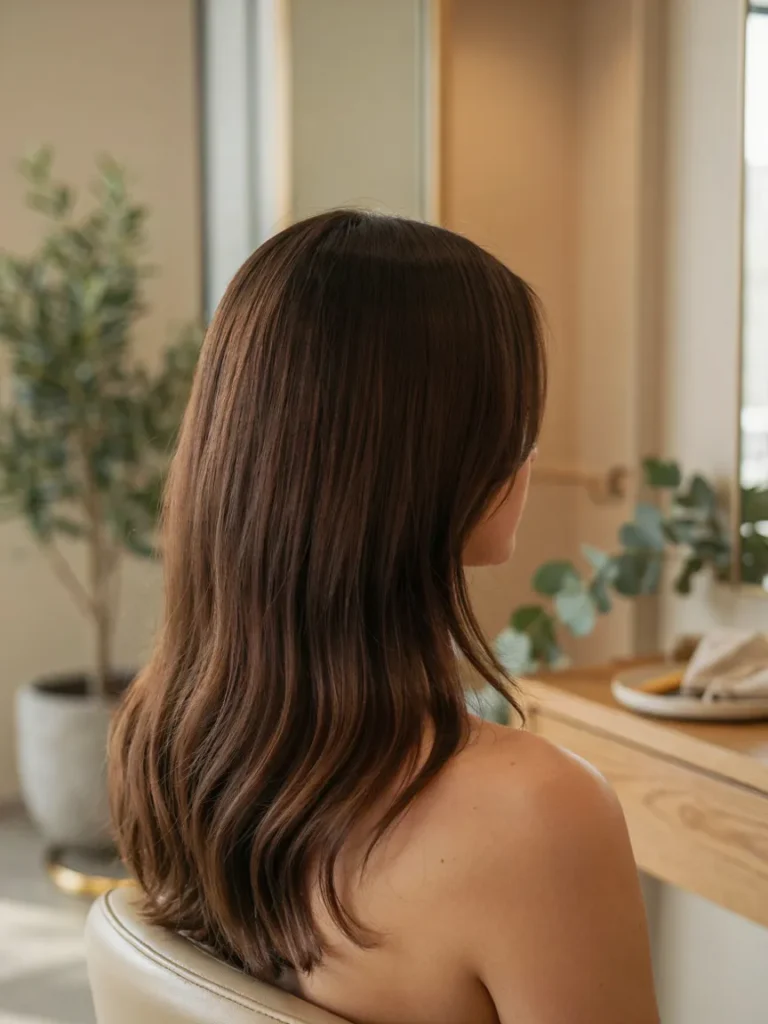
A rounded silhouette can make long hair look softer and more balanced without sacrificing its length. The layers curve gently toward the back, creating a flowing shape that works well with both straight finishes and loose curls.
For the best result, ask your stylist to preserve fullness around the bottom edge and remove only the damaged portions. This is especially important if your ends have become sparse from repeated heat styling or chemical treatments. A weekly conditioning treatment and careful detangling can help maintain softness between trims, while a satin pillowcase may reduce friction overnight.
10. Long Side-Swept Layers

- Choose your part: Ask for a deep side part that complements your natural hairline.
- Shape the front: Request sweeping layers that blend gradually into the longer sections.
- Trim the ends: Remove visibly split tips before adding the new shape.
- Create movement: Use a round brush to lift the roots and curve the front pieces.
- Finish lightly: Apply a small amount of smoothing serum to the ends.
Side-swept layers add movement and a little extra volume around the face without requiring a dramatic haircut. They work particularly well for long hair that tends to fall flat when parted down the middle. Keep the back length relatively full if you want a thicker-looking finish, and avoid excessive layering when your ends are already thin.
11. Soft Face-Framing Layers

Quick Tip:
Ask your stylist to customize the shortest front layers to your face shape and natural part. Bring a reference photo showing the exact length you want, and make sure damaged tips are trimmed before the layers are shaped.
Face-framing layers create a graceful transition from the front of the haircut to the longer back sections. The result is movement around the face without needing to remove substantial length throughout the entire style. For a fresh spring finish, blow-dry the front pieces away from your face and leave the remaining lengths straight or softly wavy.
12. Long Layered Blowout Cut

BEFORE: Long hair appears flat at the roots, with tangled mid-lengths and rough-looking tips that make the style seem less polished. Heavy ends can also prevent the hair from holding a bouncy shape.
AFTER: Blended layers create lift through the lengths, while a careful trim gives the ends a cleaner outline. A rounded blowout adds bounce and a smooth, salon-finished appearance.
Ask for long, blended layers rather than aggressive thinning, especially if your hair is fine. Use a heat protectant before blow-drying, and direct the airflow downward to help smooth the cuticle. Finish with a cool setting and a light serum on the ends. The haircut creates the shape, while gentle styling helps maintain its polished finish.
13. Long Swoopy Layers

- Remove damaged tips. Ask for a light trim before shaping the new layers.
- Create the sweep. Request long front layers that curve away from the face.
- Blend the lengths. Keep the transition between shorter and longer sections soft.
- Style with airflow. Use a round brush to guide the front pieces outward.
- Finish gently. Apply a small amount of smoothing serum to the ends.
Swoopy layers add graceful movement without making long hair appear overly choppy. They are especially useful when you want a fresh seasonal style that looks polished with minimal detailing. Keep the longest sections full, and ask your stylist to avoid excessive texturizing if your ends are naturally fine or prone to breakage.
14. Long Layered Waves
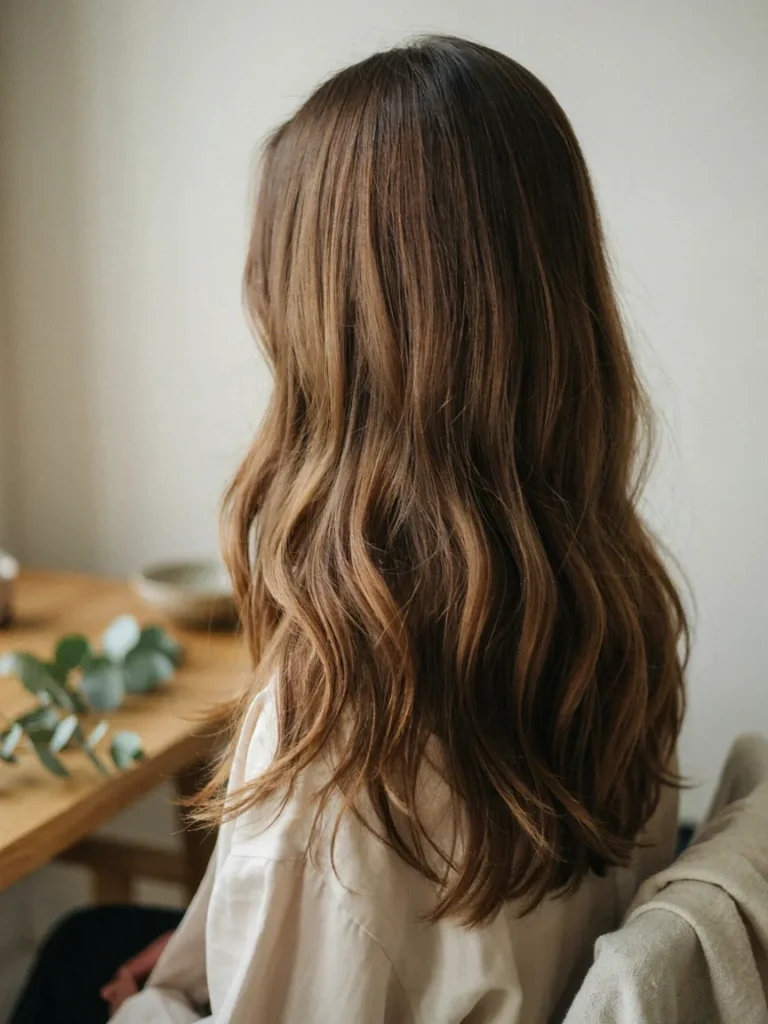
Best For: Naturally wavy hair or straight hair styled with loose curls.
Styling Time: Around 15 to 30 minutes, depending on hair length and styling tools.
Maintenance: Trim visibly damaged ends and reassess the layers as your hair grows.
Finish: Soft, dimensional waves with movement through the mid-lengths.
Layered waves create a fuller, more dynamic appearance by allowing different sections to move independently. Ask for long layers that complement your natural wave pattern instead of removing too much weight from the bottom. Apply heat protectant before using a curling tool, alternate curl directions for a relaxed finish, and let the hair cool before gently separating the waves with your fingers.
15. Long Blended Shag Layers

DO:
- Request a modern, long shag with blended transitions.
- Keep the lower lengths substantial if you want fuller-looking ends.
- Ask for soft crown layers that complement your natural texture.
- Use lightweight styling cream to define movement.
DON’T:
- Choose extremely short layers if you prefer a smooth, classic silhouette.
- Thin out already sparse ends excessively.
- Overuse hot tools to force texture into every section.
- Skip trims when splitting becomes visible.
A long shag offers a relaxed, slightly undone finish that suits spring’s lighter styling mood. Its layers add movement around the crown and face, while the remaining length keeps the look versatile. The key is customization: a softer shag can preserve more fullness than a heavily razored version. Ask your stylist to balance texture with the condition and density of your ends.
16. Long Polished Straight Cut
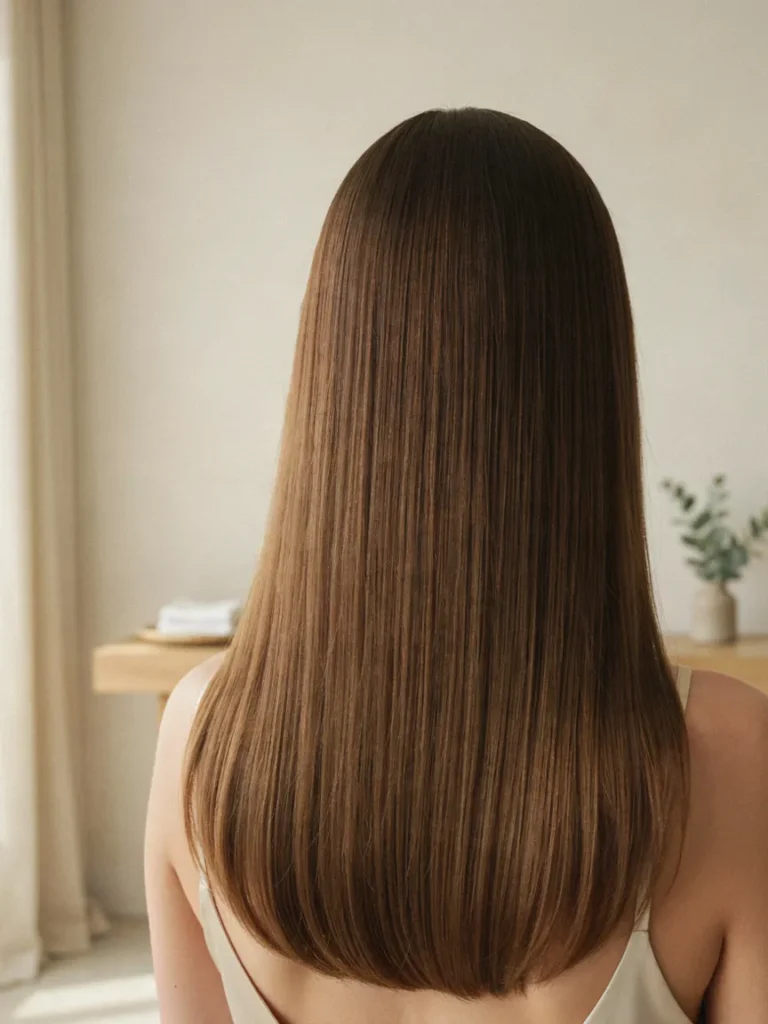
Cost: Varies by salon, location, and stylist experience.
Styling Time: Approximately 10 to 25 minutes, depending on hair thickness.
Best For: Straight hair and people who prefer a sleek finish.
Result: A clean outline with a smooth, polished appearance.
A straight cut makes uneven ends easier to spot and gives long hair a neat, consistent shape. Ask your stylist to remove the damaged tips while preserving the thickness of the bottom edge. For everyday maintenance, use a heat protectant before straightening and keep the temperature appropriate for your hair type. A simple center part adds a classic spring finish.
17. Soft Long C-Shaped Layers

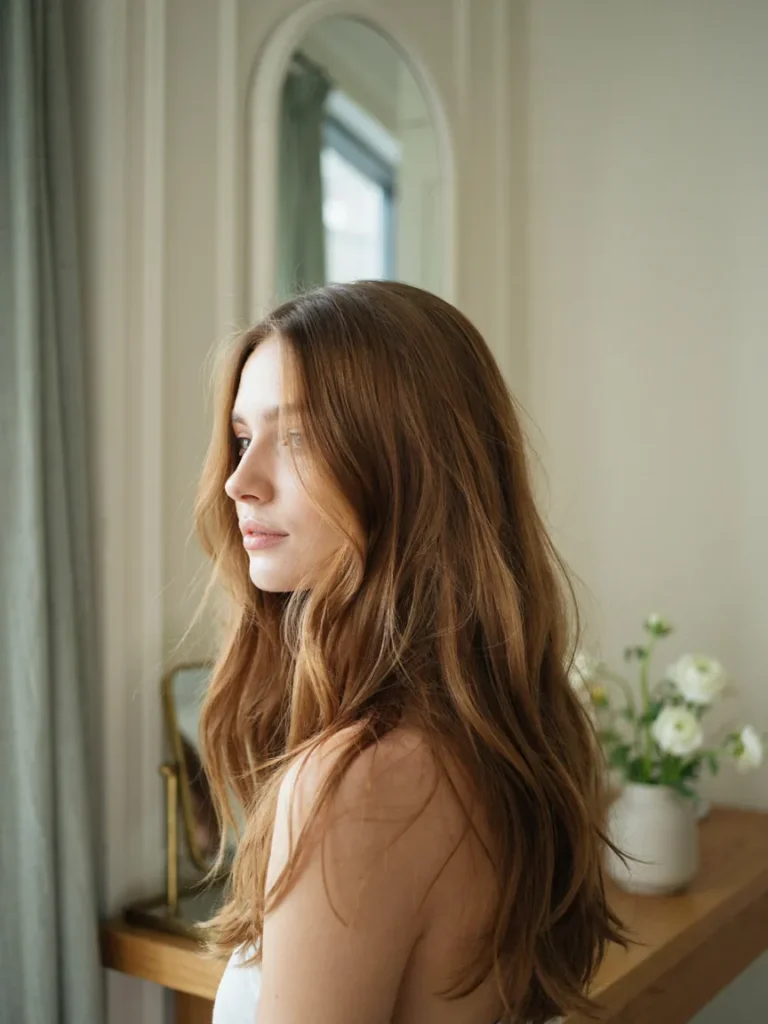
Long hair can feel noticeably lighter when its layers curve gently instead of hanging in one heavy shape. C-shaped layers create a soft inward bend around the face and lower lengths, giving the haircut a rounded, flowing finish.
Ask your stylist to shape the front sections so they follow your natural part and blend smoothly into the back. A round brush can emphasize the curved ends without requiring tight curls. For healthier-looking results, begin with a trim that removes split tips, then use conditioner through the lengths and detangle carefully from the ends upward.
18. Long Romantic Layers
| Feature | Soft Romantic Layers | Heavy Layering |
| Overall shape | Flowing and blended | More separated sections |
| End appearance | Full when carefully trimmed | May look sparse if over-thinned |
| Styling | Loose waves or a soft blowout | More defined texture |
| Best approach | Preserve length and balance | Customize to hair density |
Romantic layers bring softness to long hair without requiring a dramatic change in length. Ask for gradual shaping and a light trim at the perimeter before styling the hair in loose waves. A large-barrel curling iron can create gentle bends, but frequent heat styling may increase damage. For a lower-heat alternative, try loose overnight braids on nearly dry hair.
19. Long Butterfly Cut With Curtain Bangs
DO:
- Trim damaged ends before shaping the butterfly layers.
- Keep the curtain bangs long enough to blend into the sides.
- Ask for gradual transitions between shorter face-framing pieces and longer lengths.
- Use a round brush for soft volume around the face.
DON’T:
- Remove too much weight from the lower sections.
- Choose very short layers if you prefer tying your hair back.
- Apply high heat without protection.
- Expect the cut to repair existing split ends.
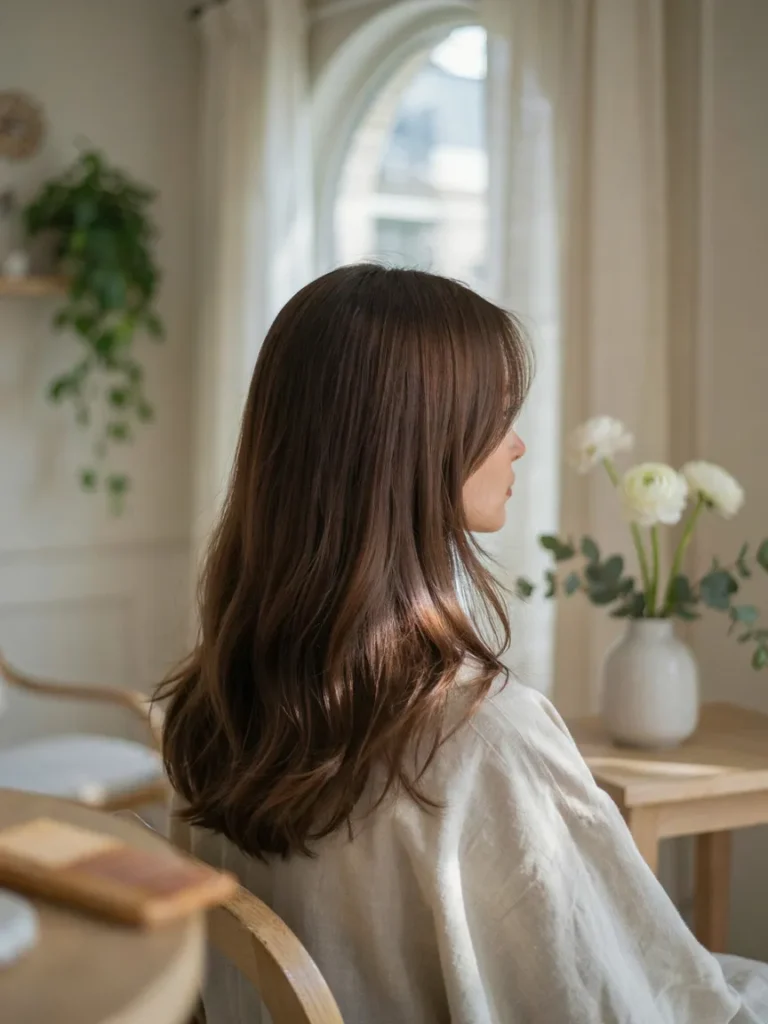
This combination creates noticeable movement around the face while preserving the flowing appearance of long hair. The curtain bangs add shape, and the butterfly layers provide bounce through the upper sections. For a spring-ready finish, style the front pieces away from your face and keep the ends smooth with a lightweight leave-in conditioner.
20. Long Trimmed Ends With Minimal Layers
Before Styling: Check the bottom few inches for visible splitting, rough texture, and uneven tips.
Choose the Cut: Ask your stylist for a small, precise trim with minimal layering to preserve the overall density.
Maintain the Shape: Reassess the ends regularly and trim when damage becomes noticeable rather than relying on products to repair split strands.
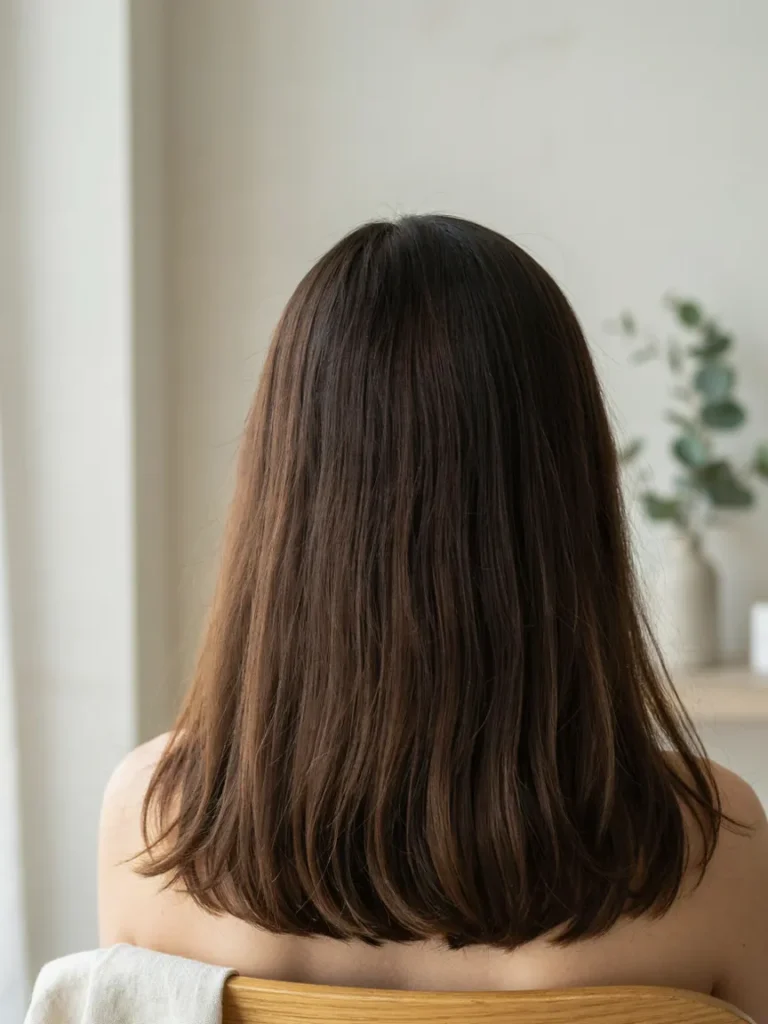
Minimal layering is an excellent choice for anyone who loves long hair and wants to keep the ends looking substantial. The simple outline works particularly well for fine or straight hair because it avoids removing unnecessary weight. Pair this cut with gentle detangling, conditioner through the lengths, and reduced heat exposure to help your hair stay smoother between salon visits.
CONCLUSION
A fresh haircut can give long hair a cleaner shape, softer movement, and healthier-looking ends just in time for spring. Whether you love butterfly layers, romantic waves, or a sleek straight cut, the best choice is one that suits your hair texture and preserves the length you love.
Remember, no haircut can permanently prevent split ends, but regular trims and gentle hair care can help reduce damage. Explore these Spring Long Haircuts, choose a style that inspires you, and save this article on Pinterest for your next salon visit. Share it with a friend who loves fresh hair inspiration, too. Your next beautiful hair day starts with one simple change!