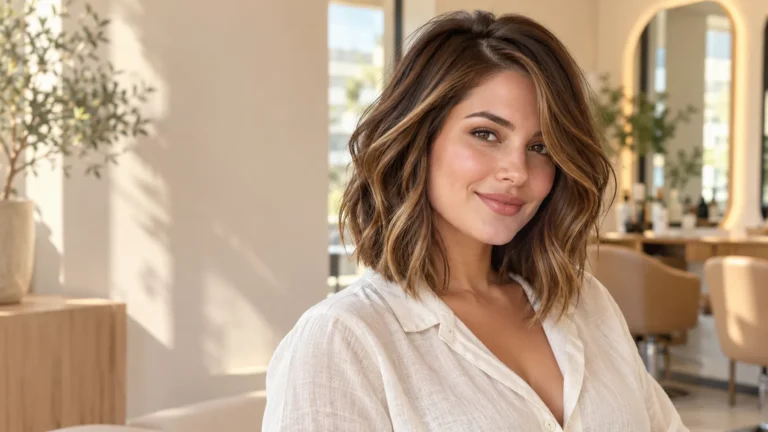
Some haircuts look beautiful for a season, while others stay stylish year after year. The secret often lies in finding a shape that feels natural, suits your features, and fits your everyday routine.
These 24 timeless Bob Haircuts offer plenty of inspiration, whether you love sleek, chin-length styles, soft layered cuts, playful waves, or elegant shoulder-skimming shapes. If you’re ready for a fresh look but don’t want to regret choosing a passing trend, these classic options can help you narrow down your favorites.
I’ve noticed that the most wearable haircuts often combine a flattering shape with manageable styling. That’s why this collection includes different lengths, textures, fringes, and finishes. You’ll discover ideas for fine, thick, straight, wavy, and curly hair, along with practical styling tips to discuss with your hairstylist. Save your favorite looks, compare the details, and find a cut you’ll enjoy wearing long after your next salon appointment.
1. Classic Chin-Length Bob

A classic chin-length cut proves that simplicity never goes out of style. The hair falls neatly around the jaw, creating a clean outline that works beautifully with straight or slightly wavy textures. Its balanced shape looks polished without requiring complicated styling, making it a reliable choice for everyday wear.
The secret lies in getting the length right. Ask your stylist to tailor the ends to your jawline and hair density. A center part creates a symmetrical finish, while a soft side part adds movement. Among timeless Bob Haircuts, this style stands out for its versatility, especially when you want a fresh look that remains easy to maintain.
2. Soft Layered Bob

- Choose subtle layers: Ask for light internal layers that add movement without making the ends look thin.
- Keep the perimeter full: A softly defined bottom edge helps maintain the familiar bob silhouette.
- Frame the face: Shorter pieces near the cheekbones create a gentle, flattering outline.
- Match your texture: Fine hair often benefits from minimal layering, while thicker hair may need more weight removal.
- Style with a round brush: Direct the ends slightly inward for a smooth, salon-finished shape.
The beauty of a layered bob is its natural movement. Rather than sitting in one solid shape, the hair shifts as you walk or turn your head. I’ve noticed that subtle layers often look more wearable than dramatic ones because they grow out gracefully and need fewer corrective trims.
3. Side-Parted French Bob

Quick Tip:
Ask for a French bob that sits near the cheekbones or jaw, with a soft fringe that blends into the sides. Keep the finish slightly undone rather than perfectly smooth. A lightweight texturizing spray can help create separation without making the hair stiff.
The side part gives this French-inspired cut a relaxed, individual character. It shifts attention toward the eyes and cheekbones while allowing the fringe to blend naturally into the rest of the hair. For finer textures, keep the layers restrained to preserve fullness. For thicker hair, subtle internal shaping can prevent a bulky finish. The result feels chic without looking overly styled.
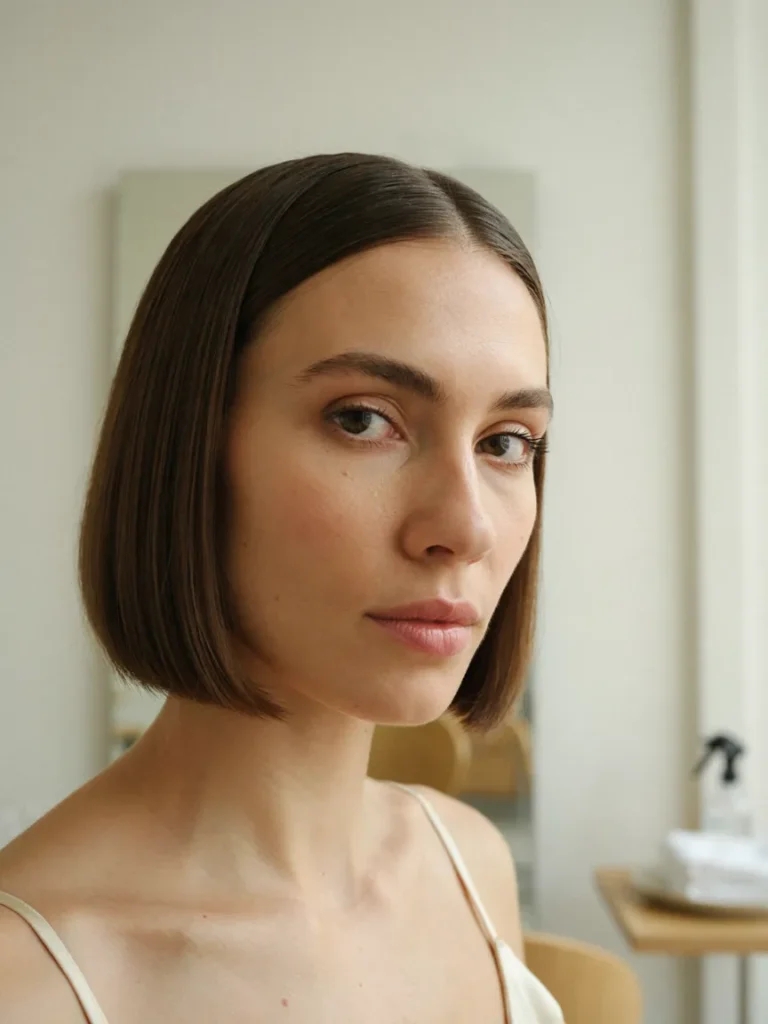
4. Blunt Jawline Bob
BEFORE
Hair with uneven ends can appear untidy, especially when the lengths have grown out at different rates. Fine strands may also lack a clear outline, making the overall shape look less defined.
AFTER
A blunt jawline bob creates a clean, solid edge that makes the haircut look intentional. The even perimeter gives the hair a fuller-looking finish without relying on heavy layers.
This style works especially well for straight or slightly wavy hair. Ask your stylist to cut the perimeter evenly and check the length from the front and sides. A flat iron can refine the shape, but a heat protectant is essential. Regular trims help maintain the crisp outline as the hair grows.
5. Textured Wavy Bob

- Start with damp hair: Apply a lightweight curl-enhancing mousse from the mid-lengths to the ends.
- Create loose waves: Use a medium-barrel curling iron, alternating the direction of each section.
- Leave the ends relaxed: Avoid curling the final inch for a softer, more modern finish.
- Separate gently: Run your fingers through the cooled waves instead of brushing them out completely.
- Finish lightly: Mist with flexible-hold hairspray to maintain movement without stiffness.
The textured wavy bob brings softness and dimension to a familiar silhouette. It suits naturally wavy hair particularly well because the cut works with the existing texture rather than fighting it. For straight hair, loose waves add extra body. Keep the layers tailored to your hair density so the finished shape feels balanced rather than bulky.
6. Long Collarbone Bob

| Feature | Shorter Bob | Long Bob |
| Length | Around the chin or jaw | Near the shoulders or collarbone |
| Styling | Quick to shape and finish | More options for waves and updos |
| Growing out | Needs a defined outline | Blends more gradually into longer hair |
| Overall feel | Crisp and structured | Soft and versatile |
The long bob, often called a lob, is a practical choice for anyone who wants a noticeable haircut without losing too much length. It works with straight, wavy, and lightly curled textures. Ask for a length that rests near your collarbone, then adjust the layers to suit your natural movement and preferred styling routine.
7. Inverted Stacked Bob
DO
- Ask for graduated layers at the back to create a rounded, lifted shape.
- Keep the front sections longer for a noticeable angled silhouette.
- Request weight removal if thick hair feels too heavy around the nape.
- Schedule trims every six to eight weeks to maintain the stacked shape.
DON’T
- Choose excessive graduation if you prefer a flatter profile.
- Request very short layers without discussing your styling routine.
- Ignore your natural growth pattern around the crown.
- Use heavy styling creams that flatten the roots.
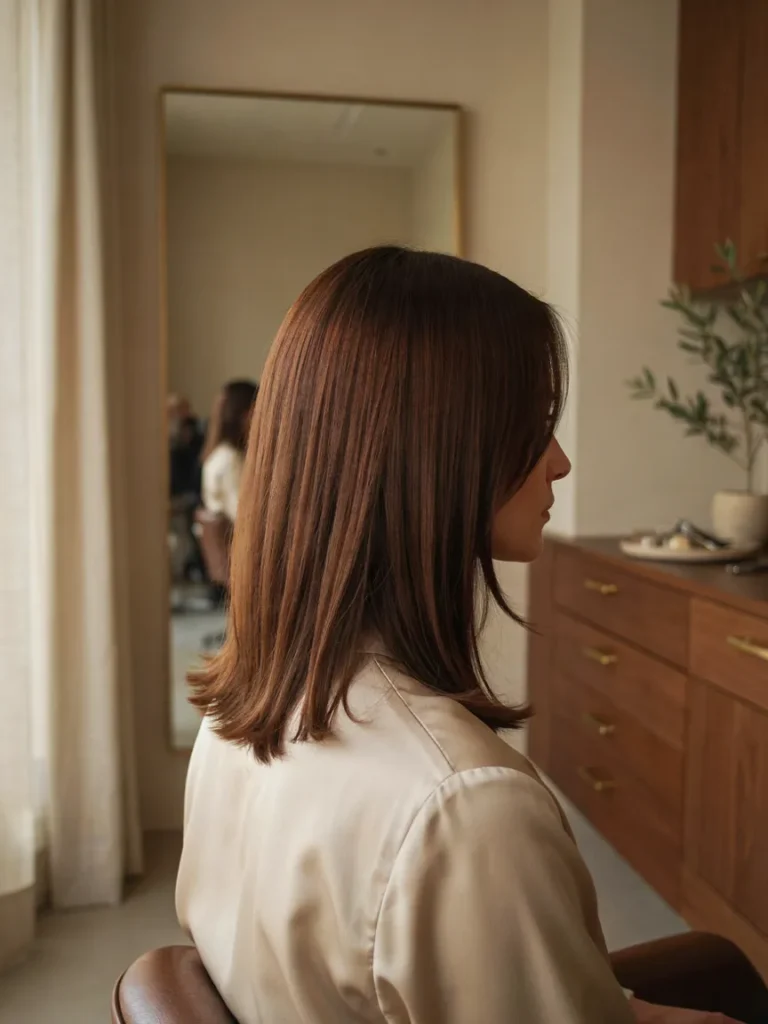
The inverted bob creates structure through its shorter back and longer front sections. It works particularly well for people who enjoy a defined outline and some lift at the crown. Ask your stylist to customize the graduation to your hair density, since too many short layers can make daily styling more demanding.
8. Wispy Fringe Bob

Best For: People who enjoy a softer fringe without a heavy, blunt line.
Length: Chin-length to just below the jaw.
Styling Time: Around 5 to 10 minutes, depending on hair texture.
Maintenance: Fringe trims may be needed every 3 to 5 weeks.
Hair Texture: Straight, slightly wavy, or fine hair with enough natural movement.
A wispy fringe adds softness while keeping the rest of the haircut clean and wearable. The separated strands allow a little forehead to show through, creating a lighter finish than a dense fringe. Blow-dry the bangs first, directing them gently from side to side, before styling the remaining hair. This helps prevent an unwanted parting from setting as the hair dries.
9. Curved Under Bob

A softly curved finish gives a traditional bob its unmistakable polished shape. The ends turn inward toward the neck instead of falling in a straight line, creating a rounded outline that pairs beautifully with a middle or side part.
For a lasting finish, apply heat protectant and blow-dry small sections with a round brush, directing the ends inward. Keep the brush tension gentle to avoid excessive pulling. If your hair is naturally thick, ask for subtle internal shaping so the curve does not become too bulky. This timeless look suits workdays, special occasions, and simple everyday outfits.
10. Asymmetrical Bob

- Choose your angle: Decide whether you prefer a subtle difference in length or a more noticeable diagonal line.
- Discuss your part: A deep side part can emphasize the asymmetry and create extra visual movement.
- Keep the ends precise: Clean cutting lines help the shape remain intentional rather than uneven.
- Plan your styling: Smooth finishes highlight the angled outline, while loose waves soften the contrast.
An asymmetrical cut adds personality without abandoning the familiar bob shape. The longer section draws the eye along the jawline, while the shorter side creates a distinct profile. For everyday wear, ask your stylist to consider how the haircut falls when your hair is air-dried. A balanced design should look appealing without requiring a lengthy styling routine each morning.
11. Soft Shag Bob

Quick Tip:
Ask for soft, blended layers rather than choppy sections throughout the entire haircut. Keep enough fullness around the perimeter to preserve the bob silhouette, and let the fringe connect naturally with the sides.
The shag bob combines the structure of a traditional short cut with the movement of a layered shag. Its feathered pieces create a relaxed finish that works particularly well with naturally wavy hair. Straight hair can also carry this style with a little texturizing spray. Avoid excessive layering if your hair is fine, since retaining density at the ends helps the cut maintain its shape.
12. Rounded Vintage Bob

BEFORE
A straight, unshaped bob can sometimes fall flat around the sides, especially when the ends lack direction. The result may feel less polished than the rounded silhouette you want.
AFTER
A rounded vintage bob creates a smooth curve around the head, with ends tucked gently beneath the jaw. The side part adds classic definition without making the style look overly formal.
To achieve the shape, ask your stylist for a softly rounded perimeter and subtle graduation where needed. Use a round brush while blow-drying, lifting the roots slightly before curving the ends inward. A lightweight finishing serum can add shine, but apply only a small amount to avoid flattening the hair. This cut suits anyone drawn to polished, retro-inspired styling.
13. Feathered Face-Framing Bob

- Set the length: Choose a chin-length or slightly longer bob based on your preferred silhouette.
- Map the face-framing pieces: Ask your stylist to begin the shortest layers near the cheekbones or chin.
- Blend the layers: Keep the transitions soft so the front sections connect naturally with the rest of the hair.
- Style away from the face: Use a round brush to direct the front pieces outward for a feathered finish.
Feathered layers add movement around the face without sacrificing the recognizable bob shape. They work especially well for people who find one-length cuts too rigid or want their hair to move naturally throughout the day. For fine hair, keep the layering subtle. For thicker hair, carefully placed layers can reduce bulk while maintaining a defined perimeter.
14. Angled A-Line Bob

| Feature | Subtle A-Line | Dramatic A-Line |
| Front length | Slightly longer than the back | Noticeably longer toward the chin |
| Overall shape | Soft and understated | Sharp and architectural |
| Styling | Easy to wear naturally | Benefits from precise smoothing |
| Best suited to | Classic everyday looks | Bold, structured styling |
An A-line bob creates a deliberate diagonal from the shorter back toward the longer front. The subtle version offers a gentle change in shape, while a stronger angle makes the haircut more striking. Ask your stylist to assess your hair’s natural fall before choosing the degree of graduation. A well-balanced angle should frame the face without leaving the back looking overly short.
15. Tousled Bedhead Bob

DO
- Apply a small amount of texturizing cream to damp hair.
- Scrunch the mid-lengths gently to encourage natural movement.
- Let hair air-dry partially before using a diffuser if needed.
- Separate finished waves with your fingers for a relaxed shape.
DON’T
- Overload the hair with heavy oils or styling creams.
- Curl every section in the same direction.
- Brush repeatedly after creating the texture.
- Use excessive heat without a heat protectant.
The bedhead bob offers a relaxed finish that looks intentional without appearing overly arranged. Its appeal comes from varied waves, soft separation, and slightly imperfect ends. Naturally wavy hair often needs very little extra styling, while straight hair may benefit from a few loose curls. Keep the overall outline controlled so the tousled texture does not turn into unwanted bulk.
16. Italian Glamour Bob

Best For: Medium to thick hair that can support a rounded, voluminous silhouette.
Length: Around the jawline to just below the chin.
Styling Time: Approximately 10 to 20 minutes with a blow-dryer and round brush.
Skill Level: Beginner to intermediate, depending on your natural texture.
Result: Full-looking sides, soft movement, and a luxurious finish.
The Italian bob is known for its generous volume and softly curved shape. Unlike a tightly sculpted cut, it has enough length and movement to feel relaxed while still looking polished. Blow-dry the roots upward and curve the ends slightly outward or inward, depending on your preference. A lightweight volumizing mousse helps maintain body without making the hair feel stiff.
17. Curly Chin-Length Bob

Natural curls deserve a haircut that celebrates their shape rather than forcing them into a straight silhouette. A chin-length curly bob creates a lively outline, allowing individual ringlets to frame the face while maintaining manageable length.
For the best result, ask your stylist to consider how your curls shrink as they dry. Curly hair can appear considerably shorter after drying, so cutting technique and final length matter. Apply a curl cream to damp hair, distribute it evenly, and allow the curls to dry without excessive touching. This helps preserve definition and reduce frizz.
18. Side-Swept Bob

BEFORE
A center-parted bob can feel too symmetrical for someone who prefers a little more movement around the forehead. Hair may also fall flat when the front sections lack direction.
AFTER
A side-swept fringe introduces a diagonal line that gives the haircut more movement. The longer front section blends into the sides, creating a softer outline without changing the overall bob length dramatically.
Ask your stylist to shape the fringe according to your natural part and hair growth pattern. Blow-dry the front section in the opposite direction first, then sweep it into place for additional lift. Keep the fringe long enough to tuck aside when needed. This practical detail makes the style easier to manage between salon visits.
19. Micro Bob

- Choose your length: Decide whether the ends should sit above the jaw or just below the ears.
- Discuss your hairline: Ask your stylist to account for natural growth patterns around the ears and nape.
- Keep the outline precise: A clean perimeter helps maintain the distinctive cropped shape.
- Plan regular trims: Schedule maintenance according to how quickly your hair grows and how sharp you want the cut to remain.
A micro bob makes a confident statement through its compact length and clean silhouette. It works especially well for people who enjoy short hair and want their facial features to remain the focus. Straight hair highlights the precision, while naturally wavy hair creates a softer finish. Before committing, discuss how the cut will sit when air-dried and how frequently you are comfortable visiting the salon.
20. Bottleneck Fringe Bob

| Feature | Straight Fringe | Bottleneck Fringe |
| Shape | Mostly even across the forehead | Shorter in the center, longer at the sides |
| Face framing | Creates a defined horizontal line | Blends gradually toward the cheekbones |
| Styling | Often needs careful straightening | Can be styled with a soft curve |
| Overall feel | Crisp and graphic | Light and softly layered |
The bottleneck fringe gives a classic bob a modern detail without changing its overall length. Its center section sits closer to the eyebrows, while the sides curve toward the cheekbones. This gradual shape helps the fringe blend into the haircut as it grows. Ask your stylist to customize the width and length to your hair texture, especially if your bangs tend to separate or form a natural cowlick.
21. Sleek Middle-Part Bob
Quick Tip:
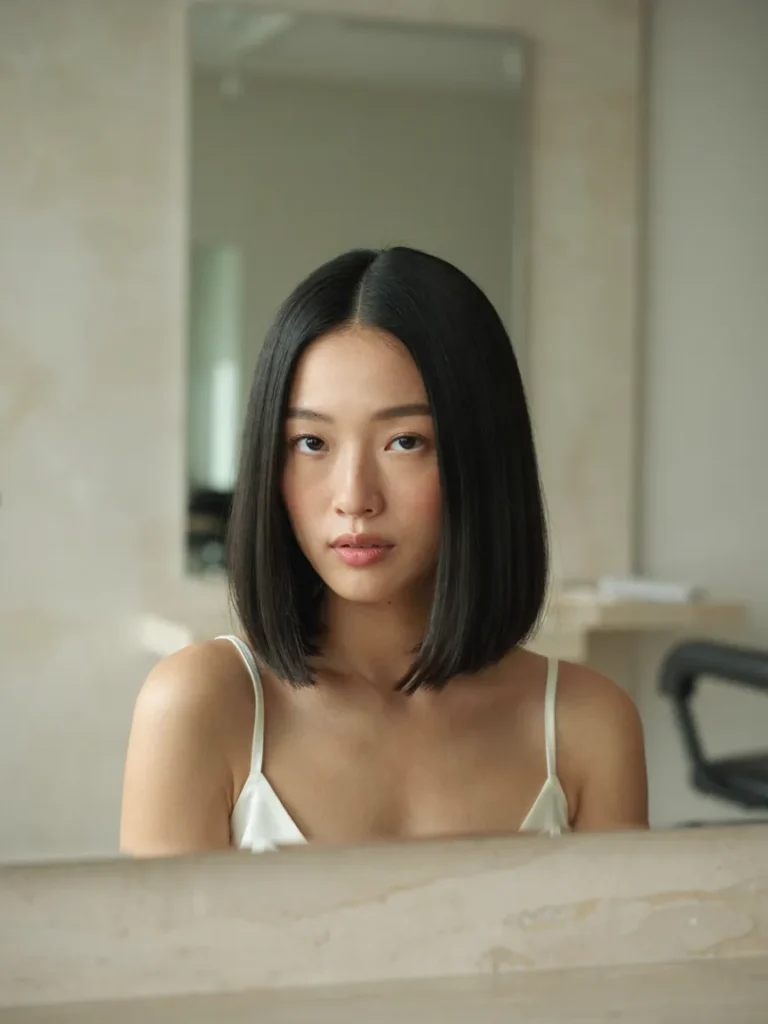
Create a clean middle part while the hair is damp, then blow-dry each side downward using a paddle brush. Apply heat protectant before using a flat iron, and finish with a tiny amount of lightweight serum on the ends.
A sleek middle-part bob relies on precision rather than elaborate styling. The even part creates symmetry, while smooth strands emphasize the haircut’s outline. It is particularly striking on straight hair, although wavy textures can achieve the look with careful blow-drying. If your hair is prone to frizz, work in small sections and use a humidity-resistant finishing product to help preserve the smooth finish throughout the day.
22. Layered Shoulder-Length Bob
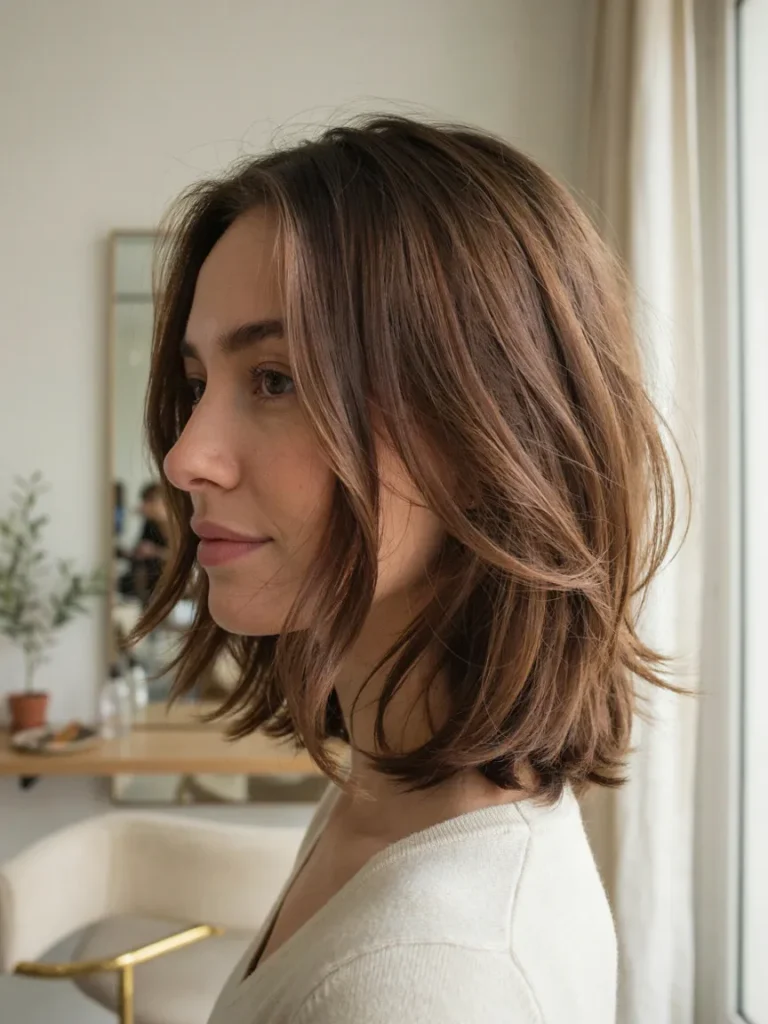
- Keep the length near the shoulders: This preserves styling flexibility while maintaining the recognizable bob shape.
- Add long layers: Ask for blended layers that create movement without removing too much fullness.
- Frame the face softly: Graduated front pieces help the haircut flow naturally around the cheekbones and jaw.
- Choose a flexible finish: A round brush creates a polished look, while loose waves add casual texture.
The shoulder-length bob offers a comfortable middle ground between short hair and longer styles. It provides enough length for loose curls, half-up hairstyles, and occasional ponytails while remaining easier to manage than many longer cuts. For fine hair, subtle layers help preserve density. Thicker hair may benefit from carefully placed internal layers that reduce bulk without creating wispy ends.
23. Chin-Length Bob With Bangs

Quick Tip:
Choose the fringe according to your natural hair texture and the amount of daily styling you prefer. Soft, slightly separated bangs are more forgiving as they grow, while a blunt fringe creates a stronger geometric finish.
Pairing bangs with a chin-length cut creates a defined frame around the face. The fringe draws attention toward the eyes, while the short sides establish a clean outline around the jaw. If your hair is naturally wavy, ask your stylist to account for shrinkage and movement before deciding on the final fringe length. Keep a small round brush nearby for quick touch-ups on mornings when the bangs need reshaping.
24. Soft Graduated Bob

BEFORE
A one-length haircut can sometimes lack lift at the back, especially when thick hair sits heavily against the head. The silhouette may look flat from the side, even when the front sections are well styled.
AFTER
A softly graduated bob introduces shorter layers at the back, creating a rounded shape with natural-looking lift. The front remains blended, so the overall haircut feels balanced rather than sharply stacked.
Ask your stylist for gentle graduation instead of a dramatic angle if you prefer a softer finish. The technique works well for many straight and slightly wavy textures, although the amount of layering should reflect your hair density. Regular shaping keeps the back rounded as it grows. The result is a timeless haircut with structure, movement, and a polished profile.
CONCLUSION
The right bob can feel fresh, flattering, and timeless without demanding a complicated styling routine. From sharp, sleek outlines to soft layers, natural curls, and relaxed waves, these 24 ideas offer inspiration for different hair textures, face-framing preferences, and everyday lifestyles.
Remember that the best Bob Haircuts are the ones that suit your natural hair, personal style, and maintenance preferences. Save this article on Pinterest so your favorite looks are easy to find before your next salon visit. Try the style that catches your eye, discuss the details with your hairstylist, and share this guide with someone looking for a fresh haircut. Your next favorite look could be one of these timeless classics.