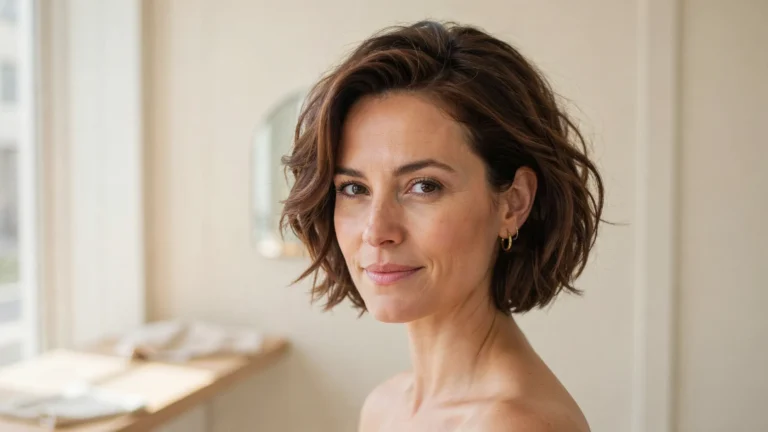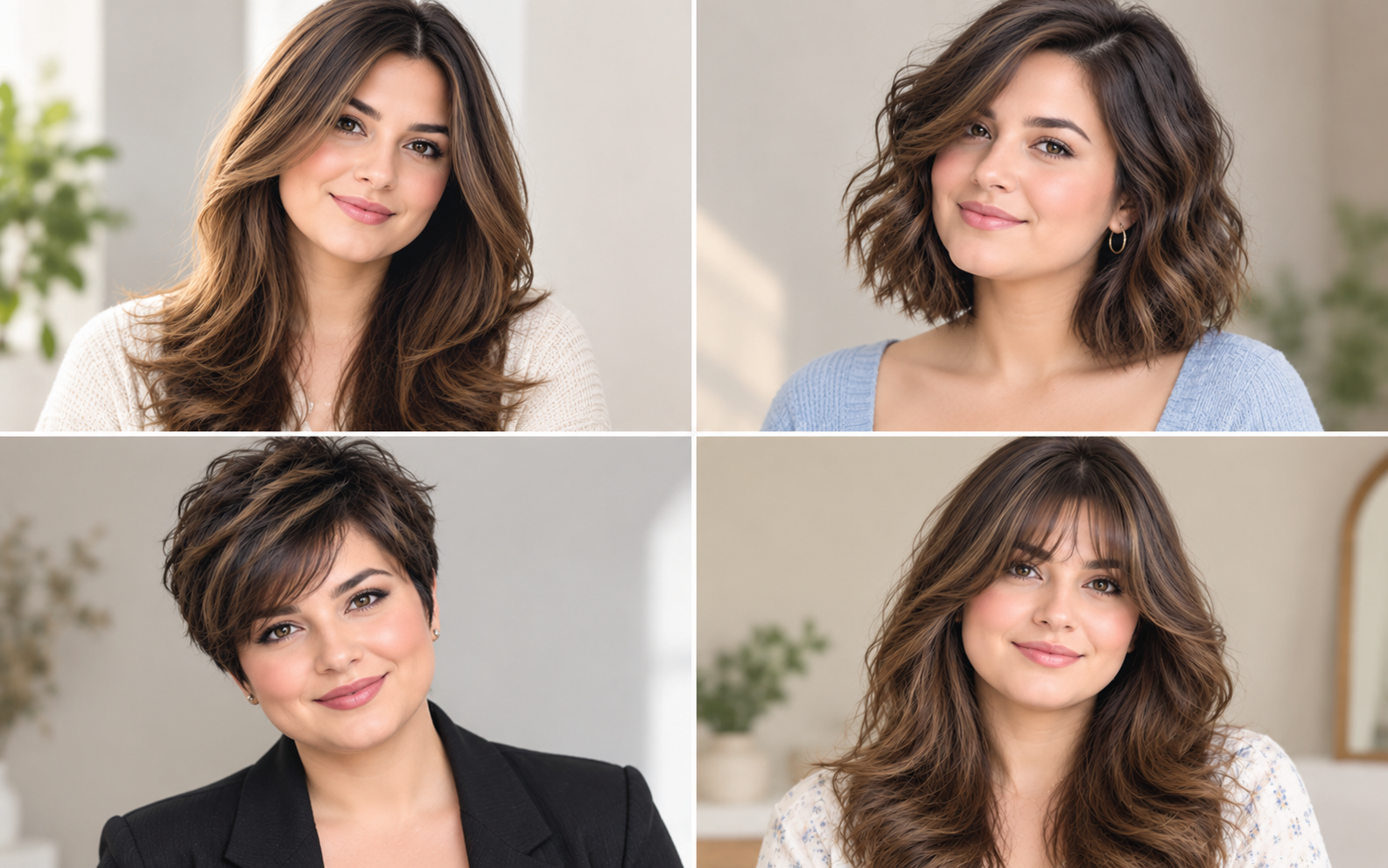
The right haircut can change the way your face is framed, highlight your favorite features, and make you feel more confident every day. You don’t need to sacrifice your hair length to find a style you love.
These Haircuts for Fat Faces include flattering bobs, face-framing layers, soft curtain bangs, textured pixies, and beautiful waves that help create a more balanced appearance. Whether you have short, medium, or long hair, there are plenty of options to explore for your next salon appointment.
The secret is choosing a cut that works with your natural hair texture, face shape, and personal style. Layers can add movement, side-swept bangs introduce flattering angles, and a little crown volume can create a more elongated silhouette. I’ve noticed that small changes in the placement of layers or the direction of a part can make a hairstyle feel completely different. Explore these 25 ideas, save your favorites on Pinterest, and find a look that makes you feel comfortable, stylish, and ready for a fresh start.
1. Long Face-Framing Layers

Long face-framing layers can create a softer, more defined appearance without sacrificing length. The shortest pieces should begin around the cheekbones or just below them, depending on your features. Longer sections then guide the eye downward toward the chin and collarbone.
The secret is movement rather than removing too much hair. Ask your stylist for blended layers that curve inward around your face instead of bulky, blunt sections. For everyday styling, use a round brush to direct the front pieces away from your cheeks. The result is a flowing silhouette that complements fuller cheeks and creates a more balanced look.
2. Textured Shoulder-Length Bob
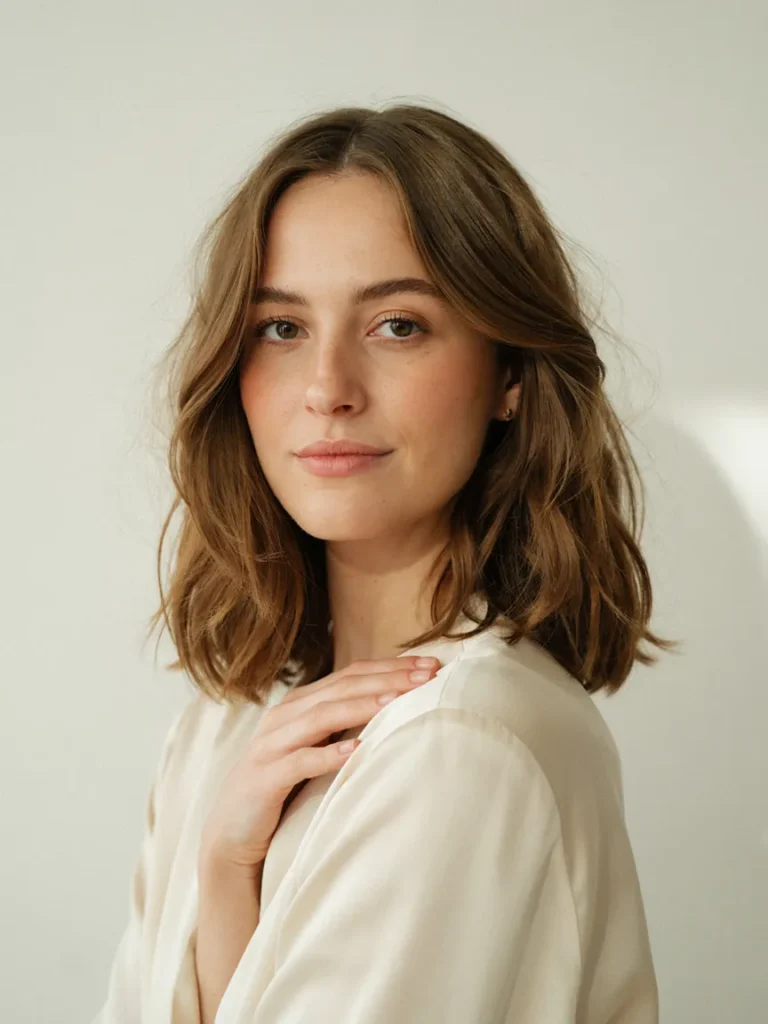
- Choose a collarbone length: Hair that reaches the collarbone creates a graceful vertical line without feeling too long.
- Add subtle texture: Soft, separated ends prevent the haircut from looking like a heavy block around the cheeks.
- Shift the part slightly: An off-center part introduces asymmetry and draws attention toward the eyes.
- Keep the crown lightly lifted: A little root volume balances the width around the lower face.
- Style with loose bends: Use a medium-barrel curling iron to create relaxed waves rather than tight curls.
The textured bob is especially useful if you want a noticeable change without committing to a very short cut. I’ve noticed that the finish matters as much as the length: airy ends and soft movement tend to look more flattering than a thick, perfectly straight perimeter. Ask your stylist to customize the shape around your jawline.
3. Soft Side-Swept Bangs

Quick Tip:
Ask for side-swept bangs that begin around the brow and gradually blend into the sides of your haircut. Keep them long enough to brush across your forehead without covering both eyes. A lightweight styling cream helps control flyaways while preserving natural movement.
Side-swept fringe creates a diagonal line across the forehead, which can make the face appear less symmetrical and visually soften fuller cheeks. Unlike thick, straight-across bangs, this shape leaves some forehead visible and blends naturally with layers. It works beautifully with medium or long hair, especially when the ends curve gently around the cheekbones. For easier daily styling, choose a fringe length that still looks attractive as it grows out.
4. Angled Collarbone Lob
BEFORE
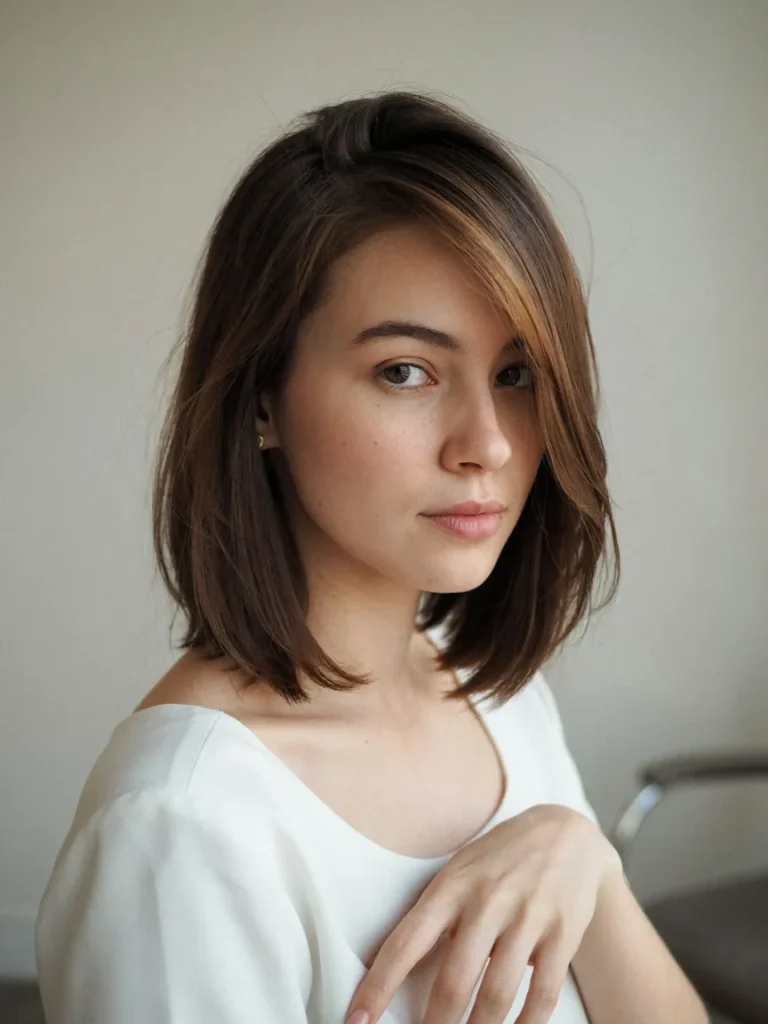
A blunt haircut that ends directly at the widest part of the cheeks can make the sides of the face appear broader. Heavy ends may also lack the movement needed to create a balanced silhouette.
AFTER
An angled lob gradually lengthens toward the front, drawing attention downward along the jawline. The shorter back adds lightness, while the longer front pieces frame the cheeks without creating extra width.
This cut works especially well for women who want a polished style that feels modern but remains easy to manage. Ask your stylist for a gentle angle rather than an exaggerated slope. Keeping the front pieces near the collarbone creates a flattering vertical effect, particularly when styled with a slight bend at the ends.
5. Long Curtain Bangs
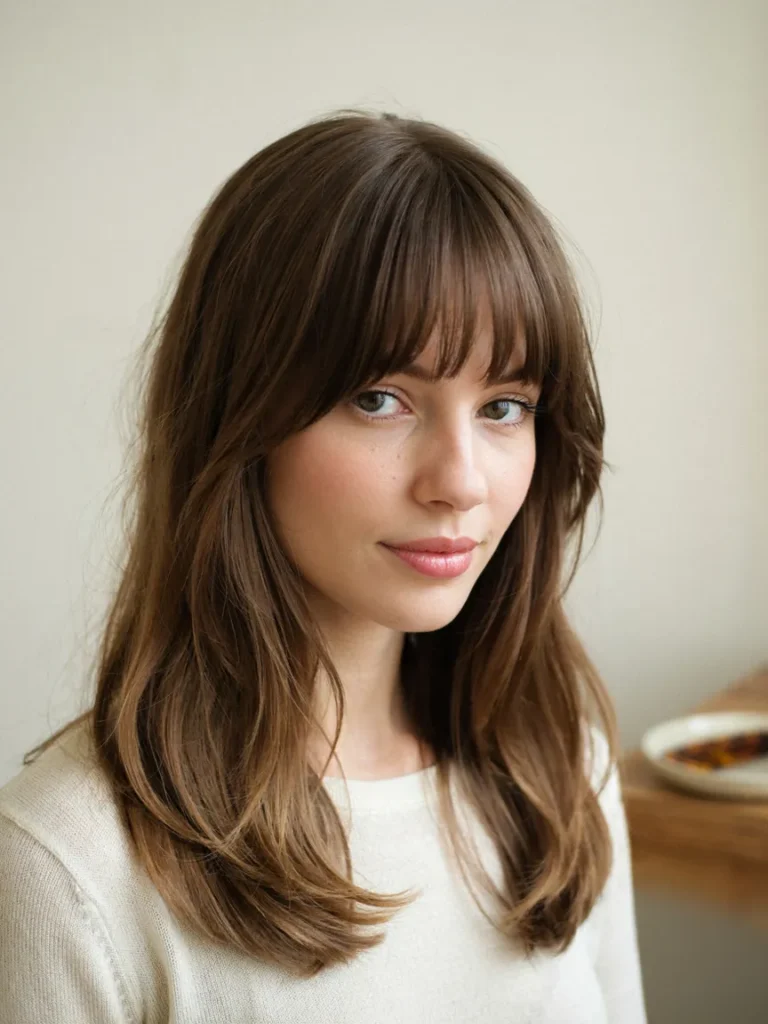
- Create a center part: Separate the fringe evenly so both sides sweep away from the forehead.
- Choose the right length: Ask for shorter pieces around the cheekbones that gradually blend into longer layers.
- Blow-dry away from the face: Use a medium round brush to lift the roots and curve the fringe outward.
- Finish with light movement: Apply a small amount of lightweight styling cream to keep the ends soft and separated.
Curtain bangs offer a flexible way to frame a fuller face without committing to a heavy fringe. Their curved shape draws attention toward the eyes and cheekbones while leaving the center of the forehead visible. They pair well with straight, wavy, or lightly layered hair. For a softer finish, avoid cutting the shortest pieces too close to the corners of your mouth.
6. Layered Bob Versus Blunt Bob
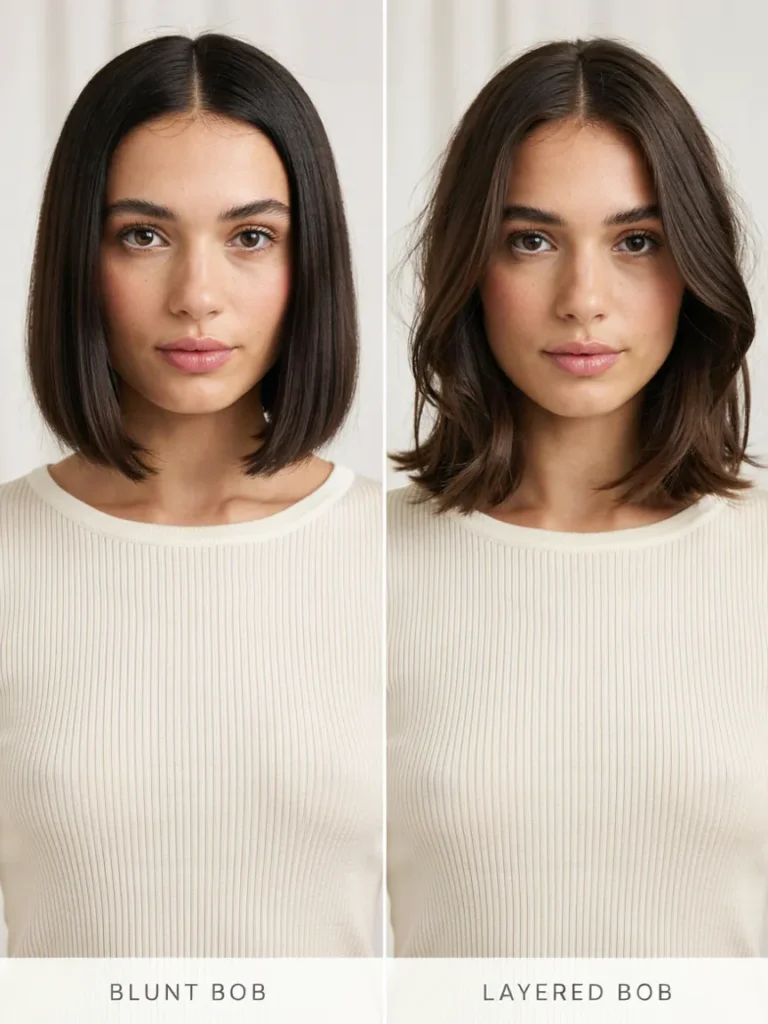
| Feature | Option A: Blunt Bob | Option B: Layered Bob |
| Overall shape | Strong, solid outline | Soft, flowing outline |
| Hair movement | Sleek and structured | Airy with natural movement |
| Face-framing effect | Can emphasize the jaw area | Can soften the cheeks and jaw |
| Best styling | Straight or polished | Soft waves or a rounded blowout |
| Salon request | Clean, even ends | Subtle layers and blended edges |
A layered bob is often worth considering when your goal is to soften facial contours rather than emphasize a strong horizontal line. However, a blunt bob can also look flattering when its length and proportions suit your features. For Haircuts for Fat Faces, the most useful approach is to choose a shape that complements your hair texture, jawline, and preferred styling routine rather than relying on length alone.
7. Feathered Face-Framing Layers
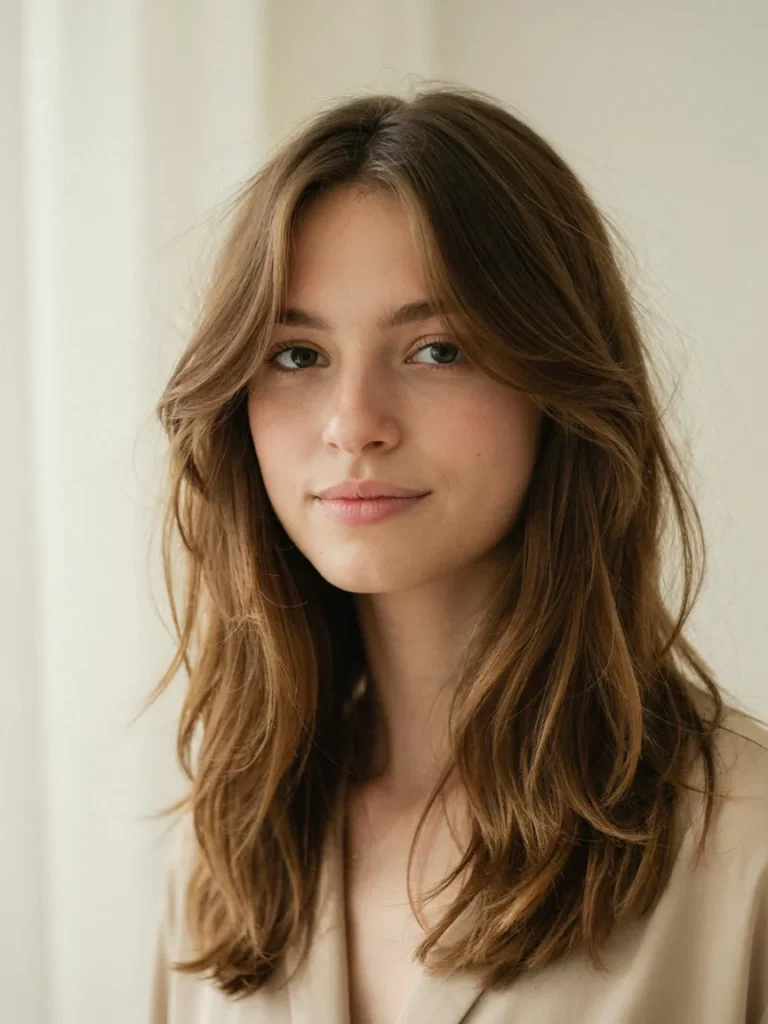
DO
- Ask for feathered layers that begin around the cheekbones or chin.
- Keep the longest sections below the shoulders for a flowing silhouette.
- Use a round brush to sweep the front layers slightly away from the face.
- Add lightweight volumizing mousse at the roots for natural lift.
DON’T
- Cut the shortest layers directly across the widest part of your cheeks.
- Remove too much density if your hair is naturally fine.
- Apply heavy oils near the roots, which can flatten the style.
- Overcurl every layer into tight ringlets that create unwanted bulk.
Feathered layers create movement around the face while keeping the overall haircut light and flexible. I’ve noticed that the most flattering results often come from blending the shortest pieces gradually into the longer lengths. This style works particularly well for medium to thick hair, but a skilled stylist can adapt it for finer strands.
8. Chin-Length Shaggy Bob

- Cost: Varies by salon and location.
- Styling Time: Approximately 5 to 15 minutes.
- Skill Level: Beginner-friendly with the right cut.
- Best For: Naturally wavy or medium-textured hair.
A shaggy bob brings personality to shorter hair through uneven layers and soft, separated ends. Rather than creating a solid line around the jaw, its texture breaks up the outline and adds movement. Scrunch a small amount of texturizing cream into damp hair, then air-dry or diffuse on low heat. Ask your stylist to keep the layers controlled around the cheeks so the finish feels relaxed instead of overly wide.
9. Long V-Cut Layers
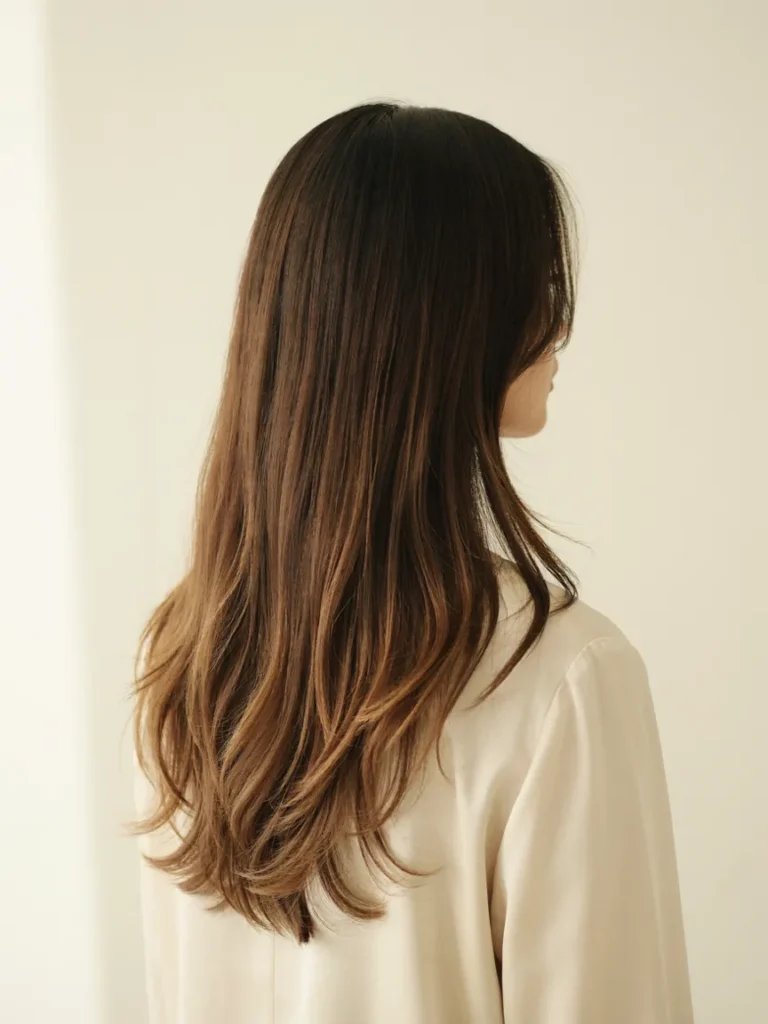
Long V-cut layers are a lovely choice when you want to keep your length while giving your hairstyle a more tapered silhouette. The hair gradually forms a soft V at the back, while carefully blended front layers frame the cheeks and chin.
Ask your stylist to keep the shortest face-framing pieces around the cheekbones or below, depending on your preferred look. Avoid excessive thinning at the ends if your hair is fine, since sparse tips can make long hair appear less healthy. A large round brush or loose waves can emphasize the cascading layers. The result is movement through the lengths without sacrificing the fullness you love.
10. Textured Pixie Cut
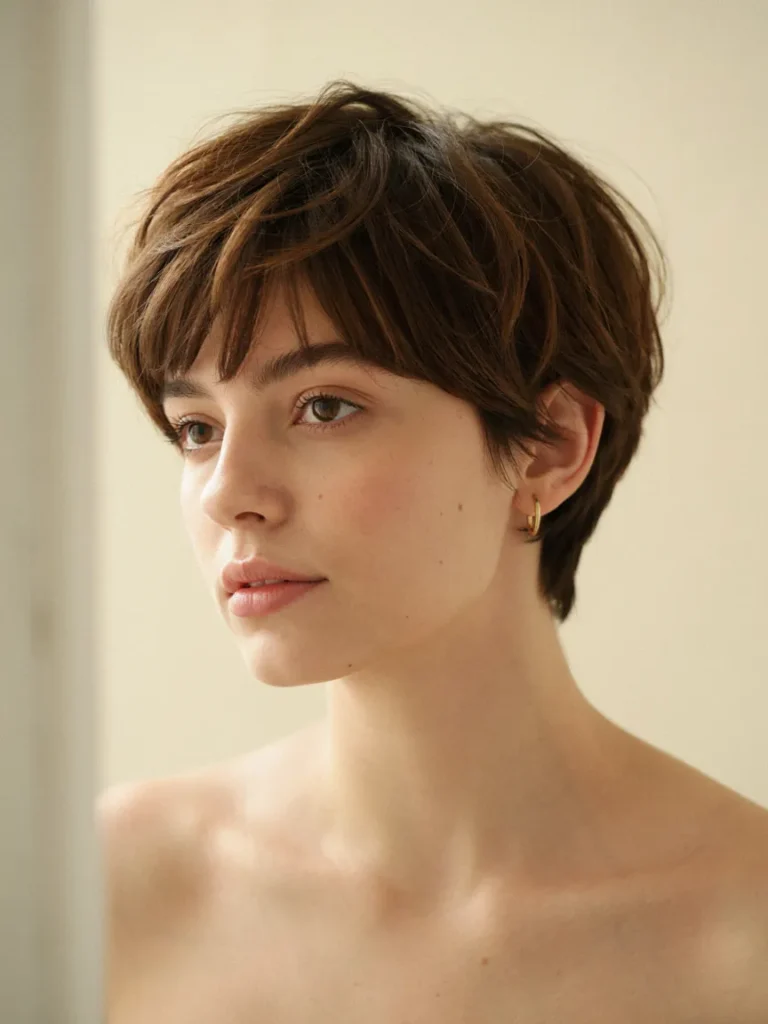
- Keep the crown longer: Extra length on top creates gentle height and a more elongated overall silhouette.
- Add a side-swept fringe: Angled front pieces introduce movement across the forehead and soften the facial outline.
- Request tapered sides: Neatly blended sides keep the cut lightweight without requiring an extremely close shave.
- Use a matte styling paste: Work a pea-sized amount through the crown to separate the layers without making them stiff.
- Schedule regular trims: A pixie often needs refreshing every four to six weeks to maintain its shape.
Short hair can be flattering on a fuller face, especially when the cut has height and texture rather than a flat, rounded outline. A textured pixie also draws attention toward the eyes and cheekbones. Before cutting, discuss your natural growth pattern and hair density with your stylist, since these details affect how the shape sits between appointments.
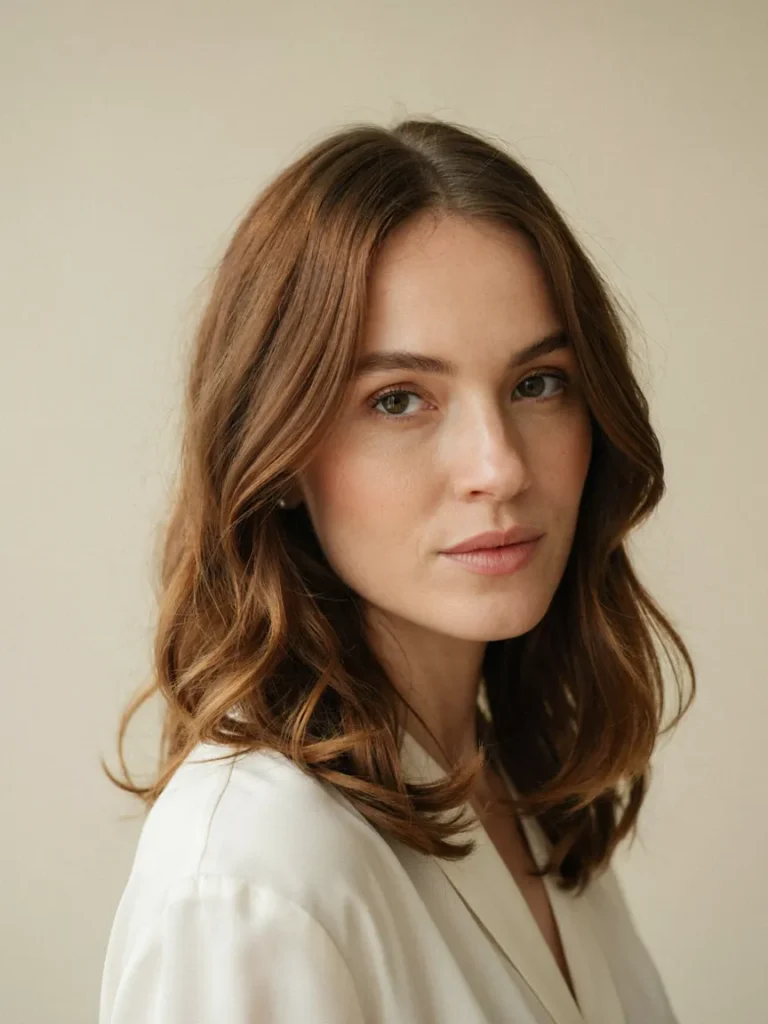
11. Voluminous Crown Layers
Quick Tip:
Build volume at the roots rather than adding excessive width at the sides. Apply lightweight mousse to damp hair, lift the crown with a round brush while blow-drying, and finish with a light mist of flexible-hold hairspray.
Crown volume can create the appearance of a longer facial silhouette by adding height above the forehead. The key is balance: keep the sides relatively smooth and let the ends curve gently toward the shoulders. This technique works with many medium and long hairstyles, making it useful if you prefer to keep your existing length. Avoid teasing too aggressively, as excessive backcombing can create tangles and make the finish look stiff.
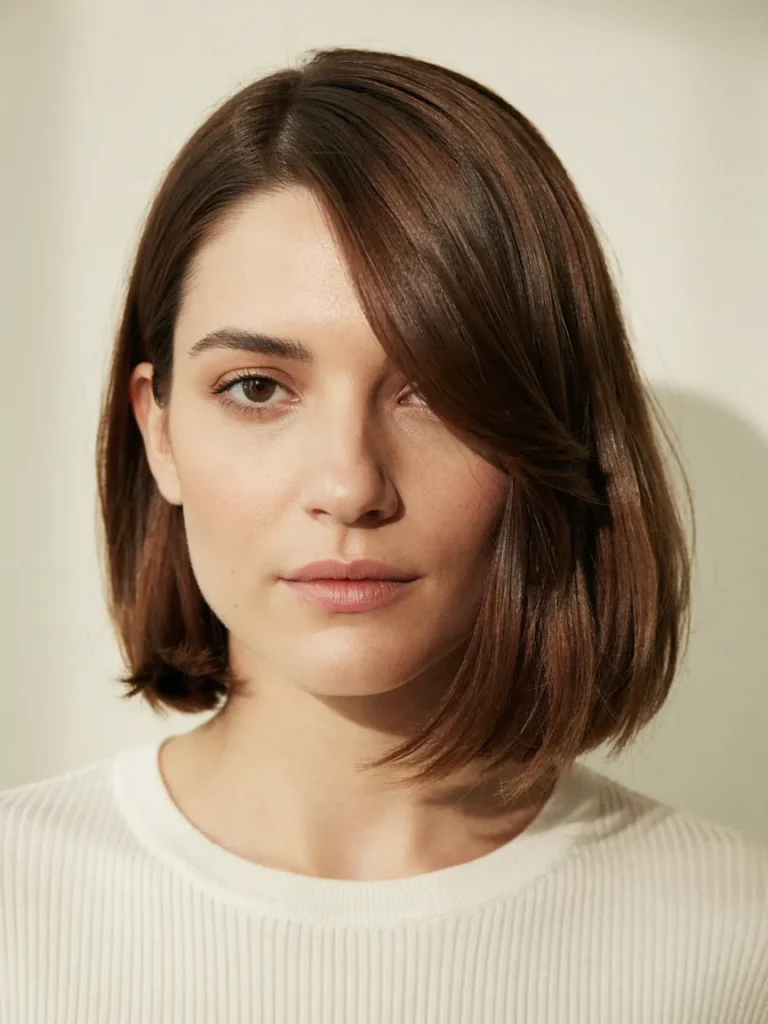
12. Asymmetrical Side-Part Bob
BEFORE
A perfectly centered part and evenly rounded bob can create a symmetrical outline that emphasizes the width of the cheeks, particularly when the ends stop at the jawline.
AFTER
A deep side part shifts the visual balance, while the longer front section creates a diagonal line across the face. The asymmetrical shape adds definition and gives the haircut a more contemporary finish.
For a wearable version, ask your stylist for a subtle difference in length rather than an extreme angle. Style the longer section across the forehead and let the front ends fall slightly below the jaw. This shape is especially appealing if you enjoy sleek hair with a little edge. A smoothing serum can enhance shine, but use only a small amount to keep the roots lifted.
13. Soft Wavy Lob
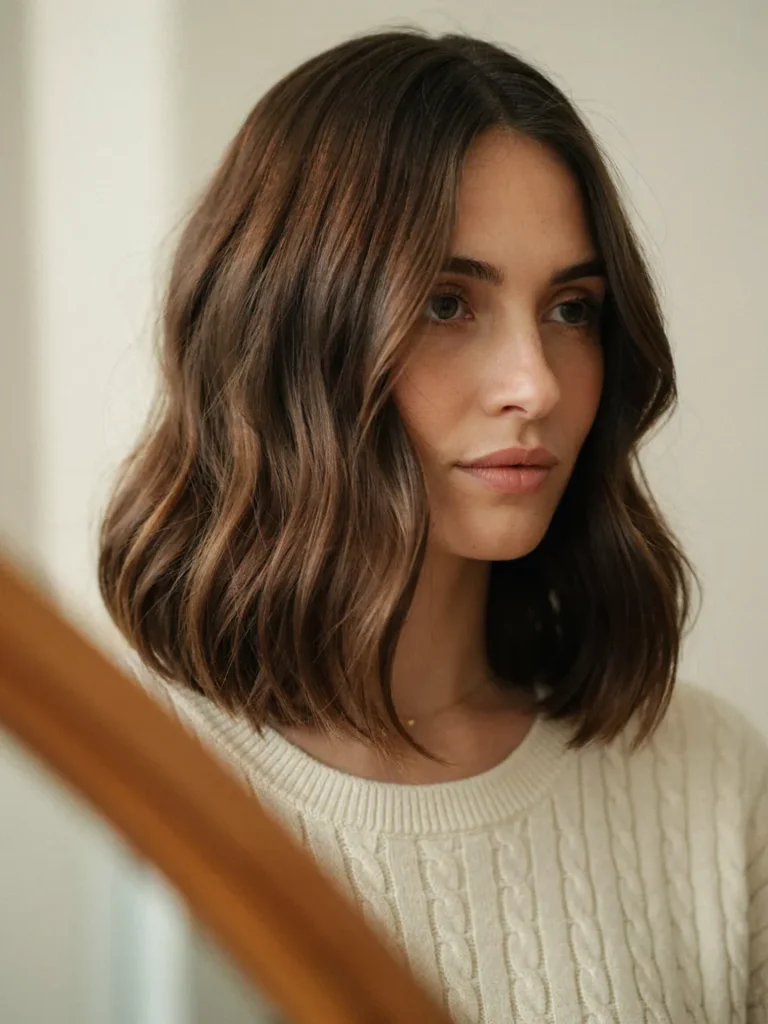
- Start with a collarbone-length cut: Ask your stylist for a lob that grazes the shoulders without forming a heavy line at the cheeks.
- Create loose waves: Wrap medium-sized hair sections around a curling iron, leaving the last inch of each end straighter.
- Alternate curl directions: Switching directions keeps the waves natural and prevents them from merging into one bulky shape.
- Brush gently: Once the hair cools, use your fingers or a wide-tooth comb to soften the curls.
- Finish with flexible hairspray: Hold the shape without making the waves crunchy or stiff.
Soft waves add dimension and movement, helping a shoulder-length cut feel light rather than boxy. For Haircuts for Fat Faces, the placement of the waves matters more than their tightness. Keep the crown slightly lifted and the sides softly defined. This creates a balanced shape that works beautifully for everyday errands, office outfits, and special occasions.
14. Long Bob Versus Short Bob

| Feature | Option A: Short Bob | Option B: Long Bob |
| Length | Around the chin or jaw | Near the shoulders or collarbone |
| Overall effect | Crisp and structured | Soft and elongated |
| Styling time | Often quick, depending on texture | Moderate, especially with waves |
| Face framing | Can emphasize the jawline | Allows longer pieces around the cheeks |
| Maintenance | Frequent shaping may be needed | Can offer more flexibility between trims |
Neither length automatically makes a face look slimmer. The best choice depends on where the ends fall, how thick your hair is, and whether you prefer a sharp or softer finish. A longer bob gives you more room to experiment with waves and face-framing pieces. If you are unsure about going short, start with a collarbone-length lob and adjust at your next salon visit.
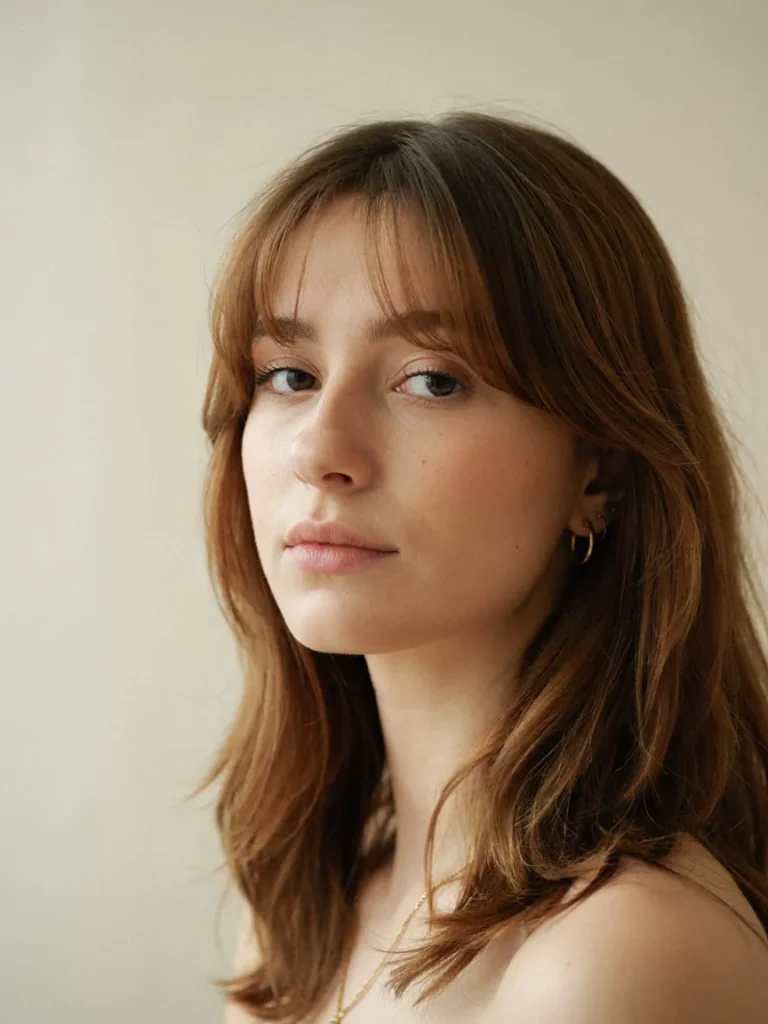
15. Wispy Brow-Grazing Fringe
DO
- Ask for lightweight bangs with visible separation between the strands.
- Keep the fringe slightly longer at the temples so it blends into the side layers.
- Choose a soft, rounded shape rather than a thick, solid line.
- Blow-dry the fringe from side to side to prevent a stubborn part from forming.
DON’T
- Request an overly dense fringe if you prefer a light, open appearance.
- Cut the bangs too short before seeing how your hair shrinks as it dries.
- Forget to discuss cowlicks or natural growth patterns with your stylist.
- Apply heavy styling products that cause the fringe to separate into oily sections.
Wispy bangs offer a softer alternative to a full fringe and can work with straight, wavy, or lightly layered hair. Their delicate texture allows the forehead to remain partly visible, while longer temple pieces connect the fringe to the rest of the cut. Keep a small round brush nearby for quick morning touch-ups, especially on humid days when fine strands tend to lose their shape.
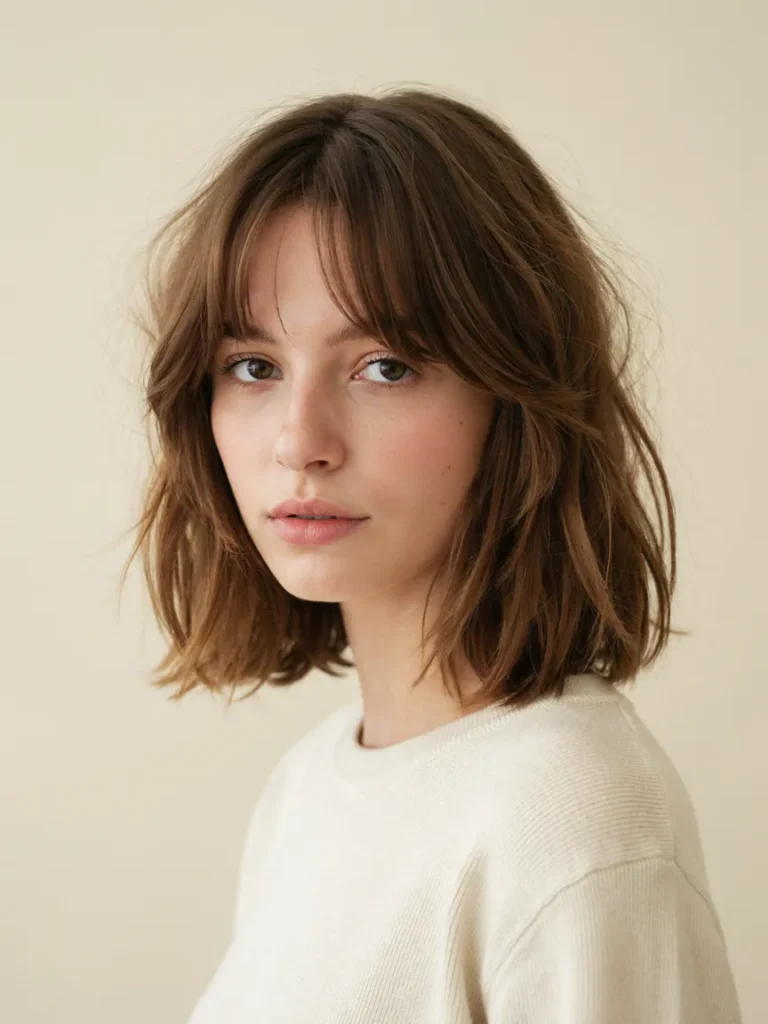
16. Textured Shoulder-Length Shag
- Best For: Women who want movement without losing shoulder-length hair.
- Styling Time: Approximately 10 to 15 minutes.
- Hair Texture: Naturally wavy, medium, or thick hair.
- Finish: Tousled layers with soft definition.
A shoulder-length shag brings movement to hair that otherwise feels heavy around the cheeks. Its blended layers create a relaxed outline, while the shorter pieces add lift around the crown. Apply a lightweight texturizing cream to damp hair, scrunch gently, and let it air-dry or use a diffuser. Ask your stylist to customize the layer placement so the sides do not become too bulky. The result feels casual, modern, and easy to personalize.
17. Long Side-Swept Layers
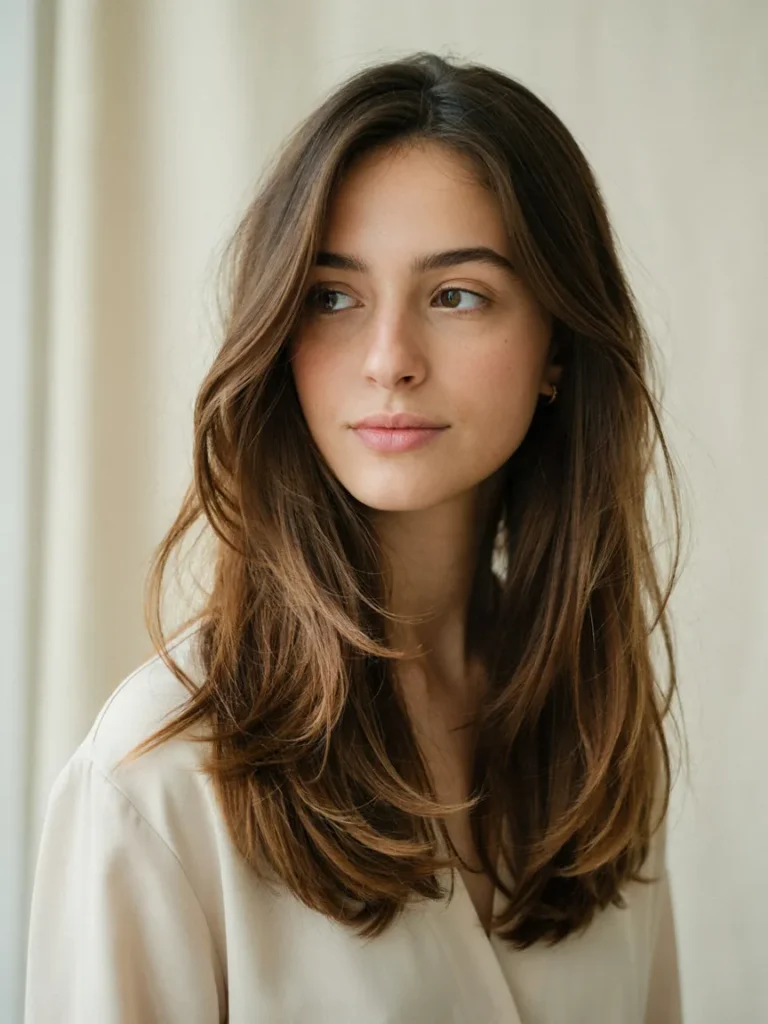
Long side-swept layers offer a simple way to refresh your hairstyle without losing the length you love.
The best results come from thoughtful placement and a little styling. Follow these steps:
- Create a deep side part. Move the part slightly away from the center to introduce an asymmetrical line.
- Add blended face-framing pieces. Ask for layers that begin around the cheekbones and gradually lengthen.
- Lift the roots. Use a round brush while directing the front section away from your face.
- Curve the ends gently. A large-barrel curling iron creates movement without producing bulky curls.
- Finish with a light serum. Smooth the ends while keeping the roots airy.
This haircut works especially well for women who prefer a feminine, versatile look that can be worn straight, wavy, or in a loose ponytail. The sweeping front section directs attention toward the eyes, while the longer layers create a flowing line beside the jaw. Keep the ends healthy with regular trims so the shape remains polished.
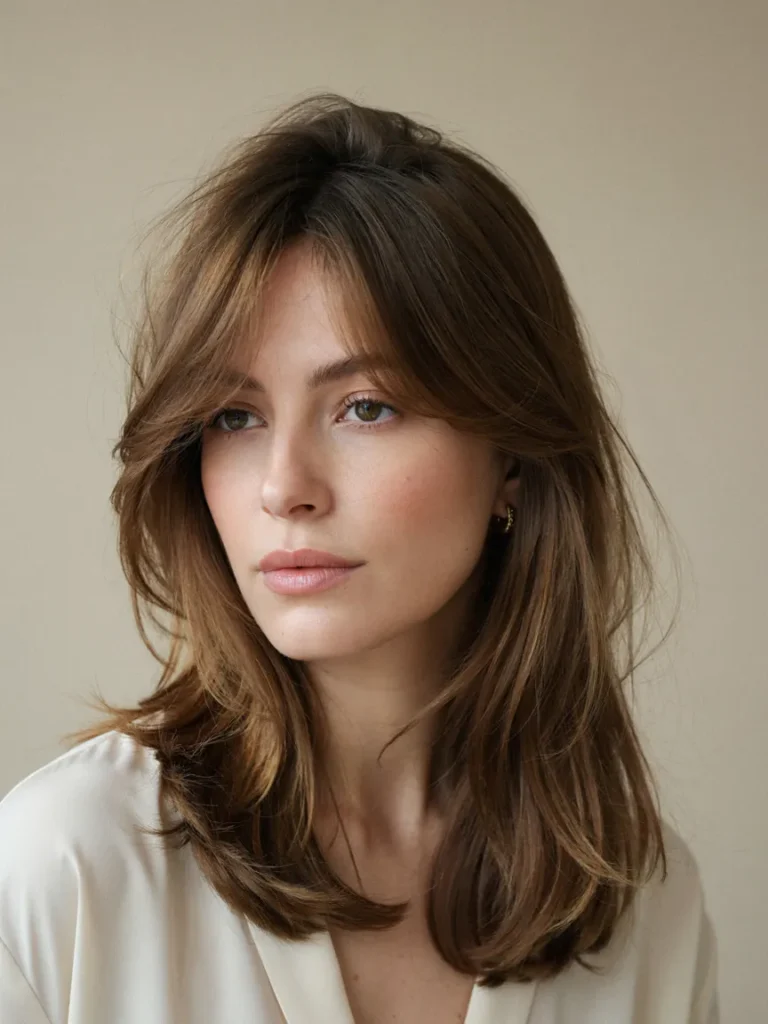
18. Butterfly Haircut
| Feature | Option A: Subtle Layers | Option B: Butterfly Layers |
| Upper layers | Blend quietly into the lengths | Create noticeable volume and movement |
| Overall shape | Sleek and understated | Full, bouncy, and dimensional |
| Styling needs | Often easier to air-dry | Usually benefits from a blowout |
| Face framing | Gentle contour around the cheeks | More pronounced framing around the cheekbones |
| Best suited to | Low-maintenance routines | Women who enjoy styling and volume |
The butterfly haircut combines shorter face-framing layers with longer hair underneath, giving the appearance of a fuller, bouncier style while preserving length. For a balanced result, ask your stylist to keep the shortest pieces long enough to blend naturally around your cheeks. This cut can be especially appealing if you love salon-style volume, but consider your daily routine because the layered shape usually looks its best with some blow-drying or heat styling.
19. Sleek Long Bob

DO
- Ask for a collarbone-length cut with clean, healthy ends.
- Keep the front slightly longer if you prefer a subtle framing effect.
- Use a heat protectant before straightening your hair.
- Finish with a lightweight shine serum applied mainly to the ends.
DON’T
- Cut the perimeter directly across the widest part of your cheeks without considering your face shape.
- Flatten the crown completely if you prefer a little height.
- Use excessive smoothing products that make fine hair look greasy.
- Straighten your hair repeatedly at very high temperatures.
A sleek long bob offers a polished look that works for professional settings and everyday wear. Its clean lines create a defined silhouette, while a length below the jaw avoids placing the entire visual emphasis on the cheeks. I’ve noticed that a slight side part and a little lift at the roots can make this style feel softer without losing its elegant finish.
20. Long Hair With Curtain Layers
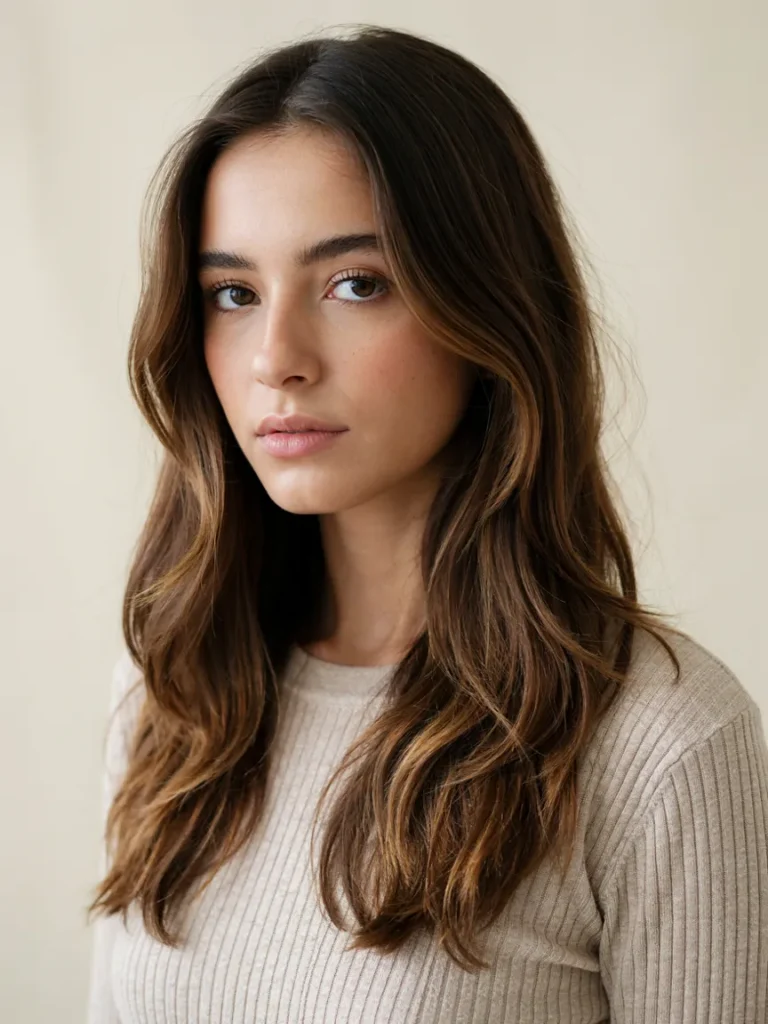
- Best For: Women who want to keep long hair while adding shape around the face.
- Length: Below the shoulders, with shorter blended front layers.
- Styling Time: Around 10 to 20 minutes, depending on hair texture.
- Maintenance: Regular trims to keep the layers blended and the ends healthy.
Long hair with curtain layers creates a flowing frame that draws attention toward the eyes and cheekbones. The center part opens the forehead, while the curved front sections soften the transition from the face to the rest of the hair. For everyday styling, blow-dry the front pieces away from your face with a medium round brush. This approach adds movement without requiring a dramatic haircut or a major change in length.
21. Wavy Chin-Length Bob
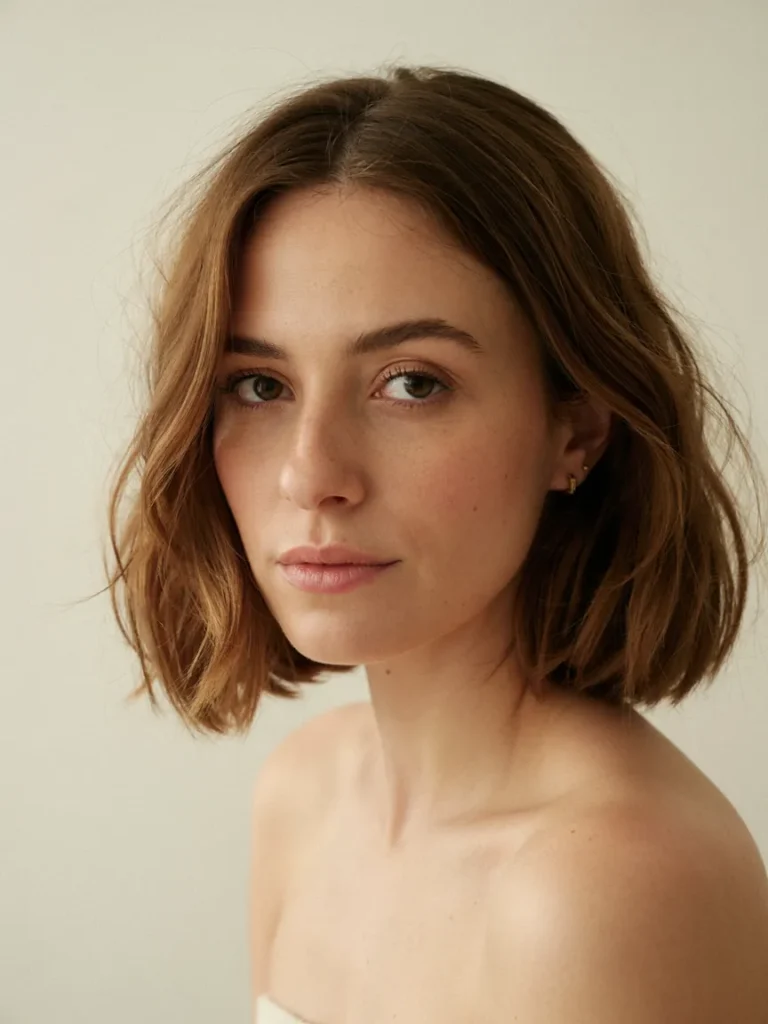
BEFORE
A straight chin-length bob can create a strong horizontal line near the jaw. Depending on the cut and hair density, that line may emphasize the width of the lower face rather than soften it.
AFTER
Loose waves break up the solid outline and introduce movement around the cheeks. A subtle side part adds asymmetry, while textured ends help the haircut feel lighter and less rigid.
For the best finish, ask your stylist for a softly textured bob that follows your natural hair pattern. Use a curling wand or diffuser to create relaxed bends instead of tight curls. If your hair is naturally thick, request careful internal shaping to reduce excess bulk. This cut makes a confident short-hair choice, but the final length should be adjusted to your jawline and personal preference.
22. Choppy Pixie With Side Fringe
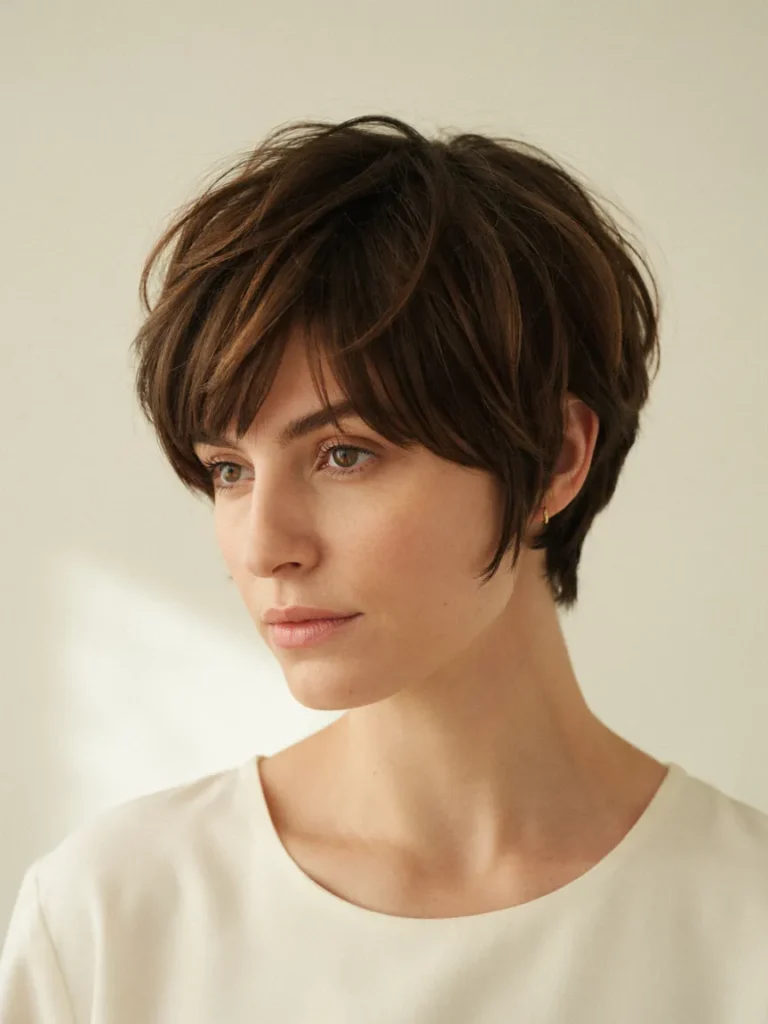
A choppy pixie creates definition through short, separated layers rather than relying on length to frame the face. The longer side fringe introduces a diagonal line across the forehead, while the textured crown adds height and visual interest.
Ask your stylist to leave enough length on top to create movement without making the sides look bulky. A pea-sized amount of matte styling paste can separate the layers and keep the finish natural. This cut suits women who enjoy short hair and do not mind regular trims. Before committing, discuss how the fringe will sit with your natural hairline and growth pattern.
23. Deep Side-Part Waves
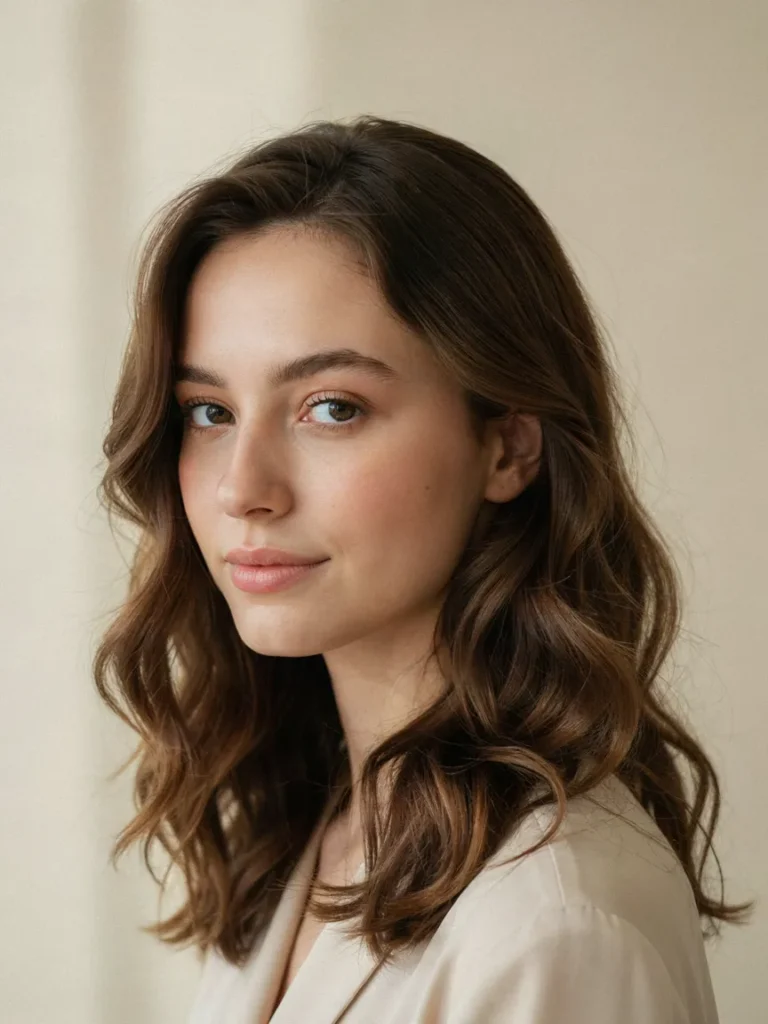
- Choose your part: Create a deep side part beginning above the arch of one eyebrow.
- Prep the hair: Apply heat protectant and a lightweight volumizing product to dry or damp hair as directed.
- Form loose waves: Curl medium-sized sections away from the face, leaving the ends slightly relaxed.
- Build soft volume: Lift the roots on the fuller side with a round brush or gentle blow-drying.
- Set the finish: Brush through the curls lightly and use flexible-hold hairspray.
Deep side-part waves are a versatile styling choice if you want a noticeable change without cutting your hair. The diagonal part shifts attention toward the eyes, while flowing waves soften the outline around the cheeks. Keep most of the volume through the mid-lengths and ends rather than concentrating it directly beside the widest part of the face. The result feels glamorous enough for an event yet wearable for everyday outings.
24. Graduated A-Line Bob
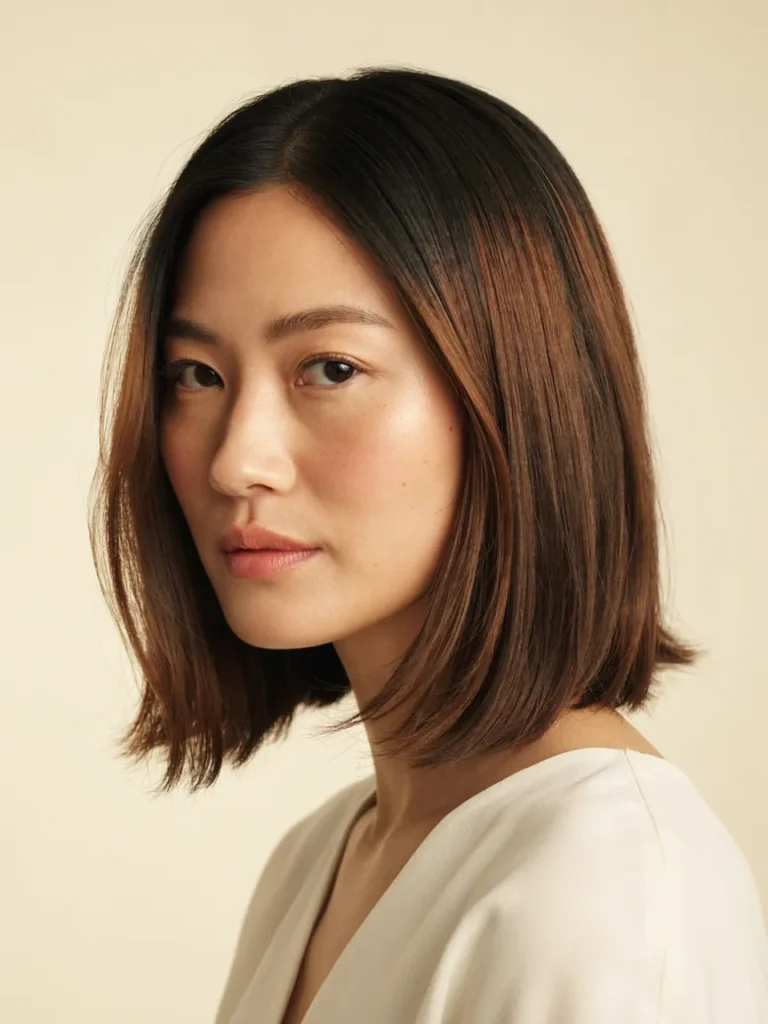
| Feature | Option A: Classic Bob | Option B: Graduated A-Line Bob |
| Back length | Usually even or gently rounded | Shorter and shaped at the nape |
| Front sections | Similar length around the perimeter | Gradually longer toward the face |
| Overall silhouette | Balanced and traditional | Angled and more directional |
| Styling finish | Sleek, straight, or softly waved | Often best with smooth, defined lines |
| Salon upkeep | Depends on the chosen length | Regular trims help preserve the angle |
A graduated A-line bob gives short hair a defined shape, with longer front sections that can frame the jaw and extend toward the chin or collarbone. The angled outline adds structure without requiring heavy layers. Ask your stylist to customize the slope to your features and hair density. If you have very thick hair, subtle internal shaping can prevent the back from becoming too bulky while keeping the front smooth.
25. Shoulder-Length Butterfly Lob

Quick Tip:
Ask your stylist for shorter, face-framing layers that blend into a shoulder-length lob rather than forming a separate, disconnected layer. Use a medium round brush to lift the roots and curve the front pieces away from your cheeks.
The butterfly lob combines the movement of a layered butterfly cut with the practicality of shoulder-length hair. Its shorter sections add bounce around the cheekbones, while the longer ends maintain a balanced outline near the shoulders. This style works particularly well if you enjoy a salon blowout but do not want to manage very long hair. For an easy everyday finish, use a large-barrel curling iron on the front sections and let the remaining hair fall naturally.
CONCLUSION
Finding a flattering haircut should feel exciting, not overwhelming. From textured bobs and long butterfly layers to chic pixies and soft side-swept bangs, these Haircuts for Fat Faces offer plenty of inspiration for creating a look that complements your features and suits your lifestyle.
Remember, no single haircut works for everyone. Your hair texture, preferred length, and styling routine all matter when choosing your next look. Save this article on Pinterest so you can revisit your favorite ideas before your salon appointment. Try a new part, explore face-framing layers, or share this guide with a friend looking for fresh hairstyle inspiration. Your next favorite haircut might be just one idea away!